Heat Exhaustion and Heat Stroke: How to Prevent and Recognize Dangerous Symptoms


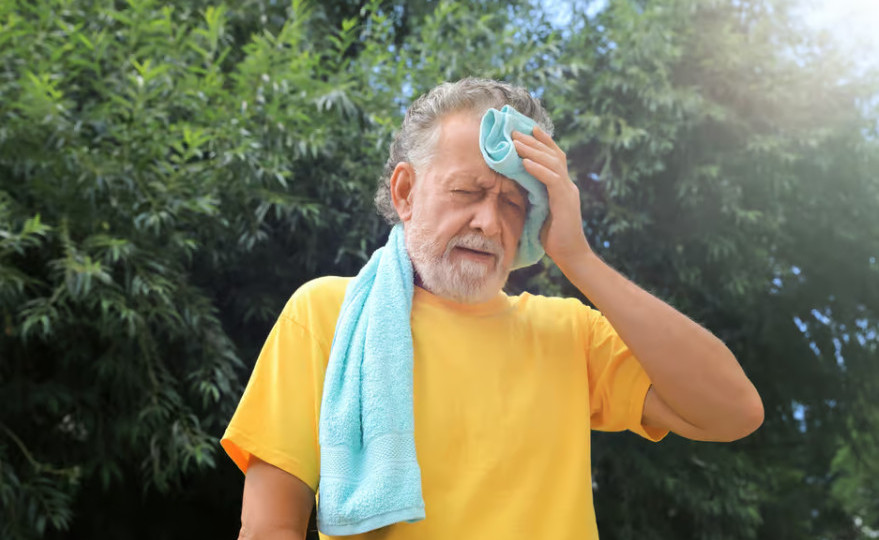










Hot weather can pose a serious threat to health and even life. Medical professionals emphasize the importance of timely recognizing the symptoms of heat exhaustion and heat stroke, knowing how to provide first aid, and following simple preventive rules to avoid dangerous consequences of high temperatures.
Heat exhaustion usually does not require emergency medical care if the person can be cooled down within 30 minutes. However, if this condition progresses to heat stroke, it should be treated as a medical emergency.
Symptoms of Heat Exhaustion
Symptoms of heat exhaustion include:
- fatigue;
- dizziness;
- headache;
- nausea or vomiting;
- excessive sweating, pale and moist skin (skin color changes may be less noticeable in people with dark skin);
- cramps in the hands, legs, and abdomen;
- high body temperature;
- intense thirst;
- irritability.
Symptoms of heat exhaustion are usually the same in adults and children.
If a person shows signs of heat exhaustion, they need to be cooled down and given fluids.
Symptoms of Heat Stroke
Symptoms of heat stroke include:
- very high body temperature;
- hot skin without sweating;
- rapid breathing and fast heartbeat;
- confusion and restlessness;
- seizures;
- loss of consciousness.
Heat stroke is a medical emergency. If a person exhibits its symptoms, immediate medical assistance is required.
How to Cool a Person
If a person has heat exhaustion, four steps should be taken:
- move them to a cool place;
- remove excess clothing, such as a jacket or socks;
- give them plenty of water to drink. Isotonic sports drinks or oral rehydration powders mixed with water can also be given to restore salts lost through sweating;
- cool the skin — spray or wipe with cool water and fan. Cold compresses wrapped in cloth can also be applied under the armpits or to the neck.
Stay with the person until they feel better.
Usually, within 30 minutes, body temperature begins to decrease and the person’s condition improves.
What to Do While Waiting for Medical Help in Case of Heat Stroke
While waiting for medical assistance, wrap the person in a cool, damp sheet or fan and wipe them with cold water.
If the person has lost consciousness, place them in the recovery position and inform the emergency dispatcher. Also, monitor breathing and pulse. If there are no signs of life, begin cardiopulmonary resuscitation.
How to Prevent Heat Exhaustion and Heat Stroke
The risk of heat exhaustion and heat stroke significantly increases during hot weather or physical exertion.
To reduce the risk, it is recommended to:
- drink more cool beverages, especially during physical activity;
- wear light, loose clothing;
- avoid sun exposure from 11:00 AM to 3:00 PM;
- avoid excessive alcohol consumption;
- avoid excessive physical exertion;
- if staying at home on a very hot day — close curtains, shut windows if it is hotter outside than inside, and turn off electrical appliances and lighting that generate heat.
Subscribe to our Telegram channel t.me/sudua and to Google News SUD.UA, as well as to our VIBER and WhatsApp pages on Facebook and Instagram to stay informed about the most important events.