Women in the Armed Forces of Ukraine: Why Voluntary Enlistment Does Not Grant the Right to Resign at Any Time












This is a common question among servicewomen and their families.
However, the mere fact of voluntary enlistment does not automatically grant the right to resign at any time.
Upon signing a contract or being conscripted into military service, a woman acquires the status of a servicewoman. From that moment, the same legal norms, rights, duties, and restrictions apply to her as to other service personnel.
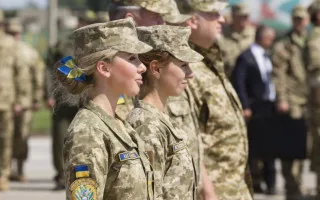
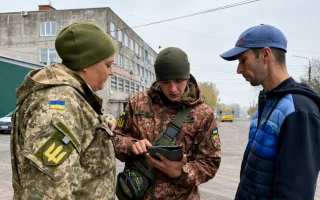
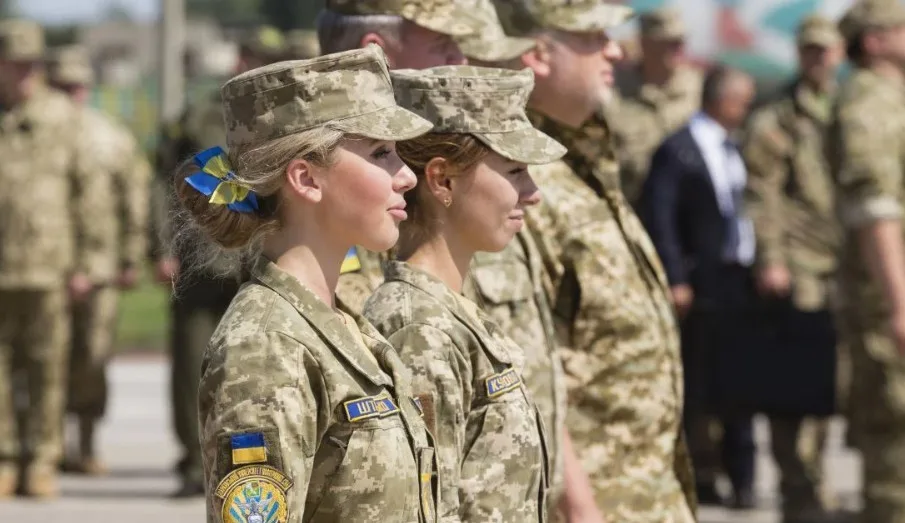
As of 2026, over 75,000 women serve in the Armed Forces of Ukraine, with more than 55,000 holding military status. Women perform their duties on par with men, including in combat zones.
Ukrainian legislation does not establish a separate procedure for the discharge of women from military service. Apart from grounds related to pregnancy and childcare, servicewomen are discharged on general grounds defined by Article 26 of the Law of Ukraine "On Military Duty and Military Service."
During martial law, the grounds for discharge from military service are limited. Nevertheless, the law provides for several family circumstances and other specific cases in which a servicewoman may terminate her service.
When a Servicewoman Can Be Discharged from the Army
A servicewoman may be discharged for health reasons. This applies if she has become disabled as a result of participation in combat and does not wish to continue military service, or if the military medical commission has deemed her unfit or temporarily unfit for service. In cases of temporary unfitness, the servicewoman must undergo a repeated medical commission within the legally established timeframe to confirm the conclusion.
Another ground for discharge is family circumstances.
Specifically, the right to discharge applies to servicewomen who:
-
Independently raise a child under 18 years old.
-
Support three or more minor children, provided there is no alimony debt.
-
Raise an adult child with a Group I or II disability, or a child with serious illnesses, including diabetes or oncological diseases.
-
Are on childcare leave for up to three years, and in some cases up to six years.
-
Are pregnant.
-
Provide constant care for a husband or parents with a Group I or II disability.
-
Have close relatives who died as a result of the Anti-Terrorist Operation or repelling the armed aggression of the Russian Federation against Ukraine.
What Documents Are Needed for Discharge?
To be discharged, a servicewoman must submit a report and documents confirming the relevant grounds. Depending on the specific situation, the report may be accompanied by:
-
Birth certificates of children.
-
Medical certificates.
-
Conclusion of the medical-consultative commission of the healthcare
institution. -
Medical conclusion regarding a child with a disability under 18 years old.
-
Medical conclusion regarding pregnancy and childbirth.
-
Disability documents (certificate for the Medical Social Expert Commission (MSEC) examination act, extract from the expert team's decision).
After submitting the documents, the commander is obliged to promptly review the report, no later than 48 hours from receipt. Based on this review, an order is issued either for the discharge of the servicewoman or for refusal to grant the request.
If discharge is denied, the decision can be appealed. For this, the servicewoman has the right to file a complaint with a higher commander, operational command, the General Staff of the Armed Forces of Ukraine, or the Ministry of Defence of Ukraine through a pre-trial procedure. Additionally, the refusal can be challenged in court by filing a lawsuit with the district administrative court.
It should be noted that in Ukraine, the mobilisation of women occurs exclusively on a voluntary basis. As previously reported by the "Judicial-Legal Newspaper", women are subject to military registration only if they are fit for military service by health and age and have obtained a medical or pharmaceutical specialisation in vocational (vocational-technical), professional pre-higher, or higher education institutions. However, registration for military service does not equate to mobilisation; it is carried out to form and maintain a reserve of medical specialists.
Meanwhile, conscription into military service or involvement in tasks to ensure state defence under martial law for women registered for military service is possible only on a voluntary basis. For this, a handwritten application addressed to the head of the district (city) territorial recruitment and social support centre must be submitted.
Women without medical or pharmaceutical education are not subject to mandatory military registration, and their enlistment in military service is possible only voluntarily.
Subscribe to our Telegram channel t.me/sudua, follow SUD.UA on Google News , and join us on VIBER, WhatsApp, Facebook and on Instagram to stay informed about the important events.