If There Are No Heirs: What Will Happen to the Apartment, House, or Land of the Deceased


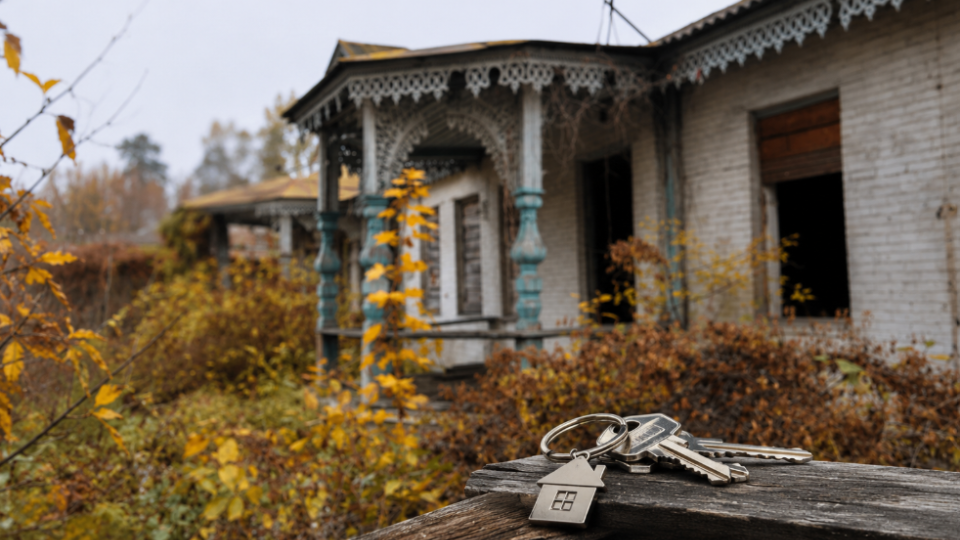










After a person's death, their property usually passes to heirs by will or by law. However, there are situations when no one claims inheritance rights or there are no legal heirs at all. In such cases, the property does not remain "ownerless" — the law provides a special procedure for recognizing the inheritance as extinct. After a court decision, such inheritance may pass into the ownership of the territorial community.
At the same time, the procedure has a number of features, requires compliance with established deadlines, and involves the participation of the court, local self-government bodies, and other interested parties.
What is extinct inheritance
Inheritance is considered extinct if it has not been accepted by heirs either by will or by law. This status may also be established in the absence of heirs, their removal from the right to inherit, non-acceptance of the inheritance, or refusal to accept it.
The Civil Code of Ukraine defines extinct inheritance as a case when the property left after the owner's death does not pass to any heir.
In practice, inheritance disputes remain common even during martial law, as one or several heirs often claim real estate or other property. However, there are cases when inherited property effectively remains without successors.
When inheritance may pass into the ownership of the territorial community
If there are no heirs by will or by law, they are removed from the right to inherit, have not accepted the inheritance, or have refused it, the property may be transferred to the territorial community.
In such a case, the local self-government body at the place of opening the inheritance, and if the inheritance includes real estate — at the location of such property, is obliged to apply to the court with a petition to recognize the inheritance as extinct.
If at the time of opening the inheritance there is movable property included in the inheritance along with real estate, it passes into the ownership of the same territorial community to which the real estate is transferred.
Who can file a petition to the court
The following may file a petition to recognize the inheritance as extinct:
- local self-government bodies at the location of the property;
- creditors of the deceased;
- owners or users of adjacent land plots, if the inheritance includes agricultural land plots.
Persons entitled to file such a petition may receive information from the Inheritance Register regarding the opened inheritance case and the issued certificate of inheritance rights.
How the procedure for recognizing inheritance as extinct takes place
The petition is submitted to the court at the place of opening the inheritance or at the location of the real estate included in it.
The petition must specify:
- the date and place of opening the inheritance;
- a list of inherited property;
- evidence of the property belonging to the deceased;
- information about the absence of heirs by will or by law, their removal from the right to inherit, non-acceptance of the inheritance, or refusal to accept it.
The court considers the case with the participation of the petitioner, notifies all interested parties, and involves local self-government bodies.
If the absence of persons entitled to inherit the property is established, the court makes a decision to recognize the inheritance as extinct and transfer it to the ownership of the territorial community.
What deadlines are established for inheritance
The general deadline for accepting inheritance is six months from the moment of its opening.
At the same time, the legislation provides special rules for calculating deadlines during martial law. A petition to recognize the inheritance as extinct can only be submitted to the court after one year has passed since the opening of the inheritance.
It is only after this period and in the absence of heirs that the procedure for transferring property to the territorial community may begin.
What happens to the inherited property before the court decision
Until the inheritance is accepted by heirs or a court decision recognizing the inheritance as extinct comes into legal force, the property is under protection.
The protection of inherited property is carried out in the interests of potential heirs, legatees, and creditors of the deceased to preserve the property.
This protection lasts until the inheritance is accepted by heirs or until the court decision recognizing the inheritance as extinct comes into legal force.
When the court recognizes the inheritance as extinct
The final decision on the status of extinct inheritance is made exclusively by the court. If during the case review the absence of heirs or their legal rights to the inherited property is confirmed, the inheritance is recognized as extinct.
After that, the property passes into the ownership of the territorial community at the place of opening the inheritance, and if it concerns real estate — at its location. Thus, the law ensures the further use of property left without heirs and prevents the emergence of ownerless objects.
Subscribe to our Telegram channel t.me/sudua and to Google News SUD.UA, as well as to our VIBER and WhatsApp, Facebook page and Instagram to stay informed about the most important events.