The UK will require refugees to repay up to £10,000 for accommodation immediately after employment


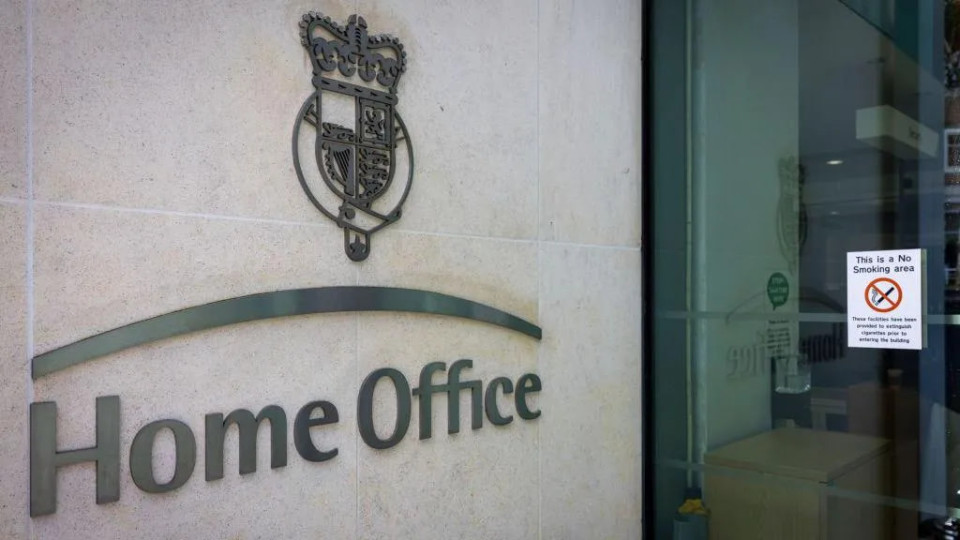










The UK government plans to require individuals granted asylum to repay about £10,000 for their accommodation and maintenance costs after they begin working and earning income. This was reported by BBC.
According to the plans, adult refugees with a sufficient income level will have to gradually reimburse these costs under new rules included in the upcoming Immigration and Asylum Bill, which is to be presented to Parliament on Tuesday.
The new system will apply to asylum seekers who have the right to work in the UK. They will have to make payments before they gain the right to permanent residence.
Home Secretary Shabana Mahmood stated that the changes are intended to show that "support for asylum seekers is a right, but also a duty."
She also added: "As soon as people are able to contribute and repay the generosity of the British people, we expect them to do so."
According to the government’s concept, migrants who work and reach a certain income level must pay a fixed amount, preliminarily estimated at about £10,000. However, the ministry did not specify what income level will be sufficient to start monthly payments.
The Home Secretary will have the authority to adjust the fee amount and payment thresholds to ensure "fairness for taxpayers and to prevent poverty among migrants."
Individuals whose asylum claims were rejected will also have to reimburse costs if their income meets government-established criteria.
According to the Home Office, about £4 billion of taxpayers' money was spent last year supporting asylum seekers.
The average cost of accommodating an asylum seeker is £23.25 per night in state housing and £144 in a hotel. Payments for basic needs range from £9.95 to £49.18 per week per person.
The Refugee Council criticized the initiative, calling it "unfair and impractical" and "an additional tax on refugees" that will complicate rebuilding lives and independence.
The organization's Director of External Relations, Imran Hussein, said: "The reason many need support in asylum provision is that the Home Office prohibits asylum seekers from working while their applications are being processed."
He added that such support is provided to people in vulnerable situations, so new financial requirements may further complicate their circumstances.
Oxford University's Migration Observatory questioned the effectiveness of the proposed system, noting the low employment rate among refugees.
Researcher Madeleine Sumption cited data showing that in 2023 only about 13% of people granted refugee status five years earlier earned at least £20,000, while most either did not work or had lower incomes.
She noted that under such conditions, a significant portion of people simply will not be able to make contributions unless thresholds are set significantly below the minimum wage.
According to the UK Home Office, among people aged 16–64 granted asylum between 2015 and 2023, about a quarter were employed in the same year. After two years, this figure rose to 50%.
Among those employed eight years after receiving status, 37% worked full-time with a median salary of £23,000, and only 40% earned more than the minimum wage.
Subscribe to our Telegram channel t.me/sudua and to Google News SUD.UA, as well as to our VIBER and WhatsApp, Facebook page Facebook and Instagram Instagram to stay informed about the most important events.