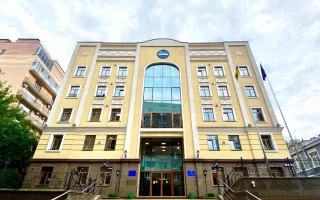
Administrative Justice Days Officially Launched: How It Happened













From June 20 to July 10, Ukraine annually celebrates Administrative Justice Days. The main task of administrative justice is the fair, impartial, and timely resolution by courts of disputes in the field of public-law relations to effectively protect the rights, freedoms, and interests of individuals and legal entities from violations by authorities.
A Brief Overview of the Formation of Administrative Justice
The formation of administrative justice worldwide is linked to the development of the principle of control over the activities of state administration and the strengthening of guarantees for the protection of human rights in relations with authorities.
One of the most well-known models is the French system, which was formed after the French Revolution. In 1799, the French State Council (Conseil d’État) was established, becoming a key institution of administrative justice and laying the foundation for an approach where disputes with the administration are considered by specialized bodies.
Another common approach is the German model of administrative justice, which developed from the 19th century. It provides for the existence of separate administrative courts within the judicial system and a three-instance structure for case consideration: first instance court, appeal, and cassation.
In continental European countries, administrative justice has become an important tool for implementing the principle of separation of powers and a guarantee of citizens' protection from possible abuses of state power.
In Ukraine, until the beginning of the 21st century, a separate system of administrative courts was not formed, and disputes with authorities were considered within general courts or through administrative procedural means.
After declaring independence in 1991, the formation of a modern model of judicial protection of citizens' rights in public-law relations began. An important step was securing the possibility to appeal decisions of state authorities in courts.
A key milestone was the adoption in 2005 of the Code of Administrative Procedure of Ukraine, which introduced a separate procedural model of administrative justice and defined its main principles of operation.
Between 2005 and 2010, Ukraine formed a three-tier system of administrative courts — local, appellate, and the Higher Administrative Court of Ukraine. The Code of Administrative Procedure of Ukraine was adopted by the Verkhovna Rada on July 6, 2005 (Law No. 2747-IV). Later, on December 15, 2017, significant amendments were made due to the start of the updated Supreme Court.
From 2016 to 2018, as part of judicial reform, the system was updated: the Higher Administrative Court was liquidated, and its functions were transferred to the Administrative Cassation Court within the Supreme Court.
Today, administrative justice in Ukraine is an integral part of the rule of law and an important mechanism for controlling the activities of authorities, meeting European standards of judicial protection of human rights.
Practical Dimension: Court Events
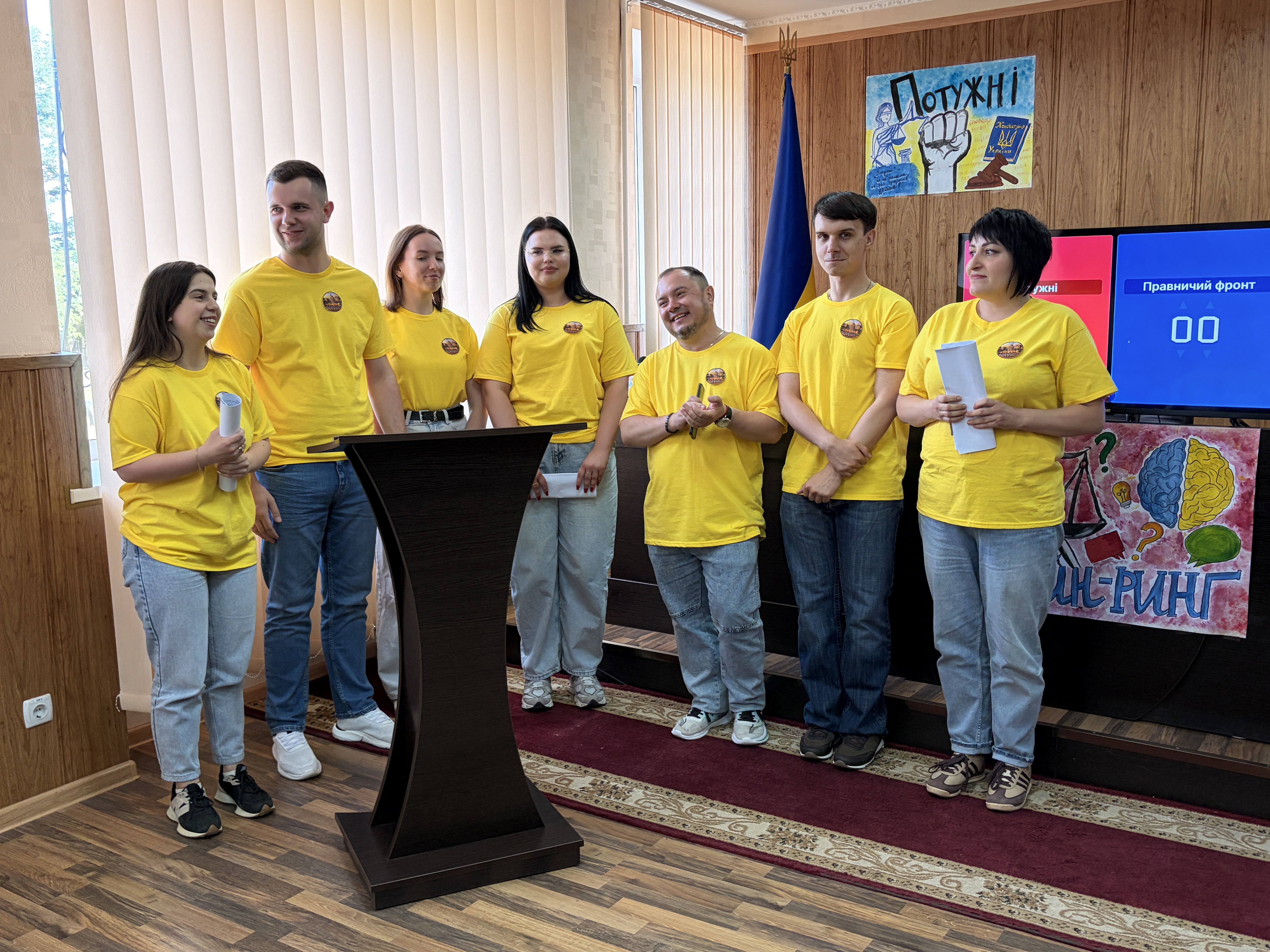
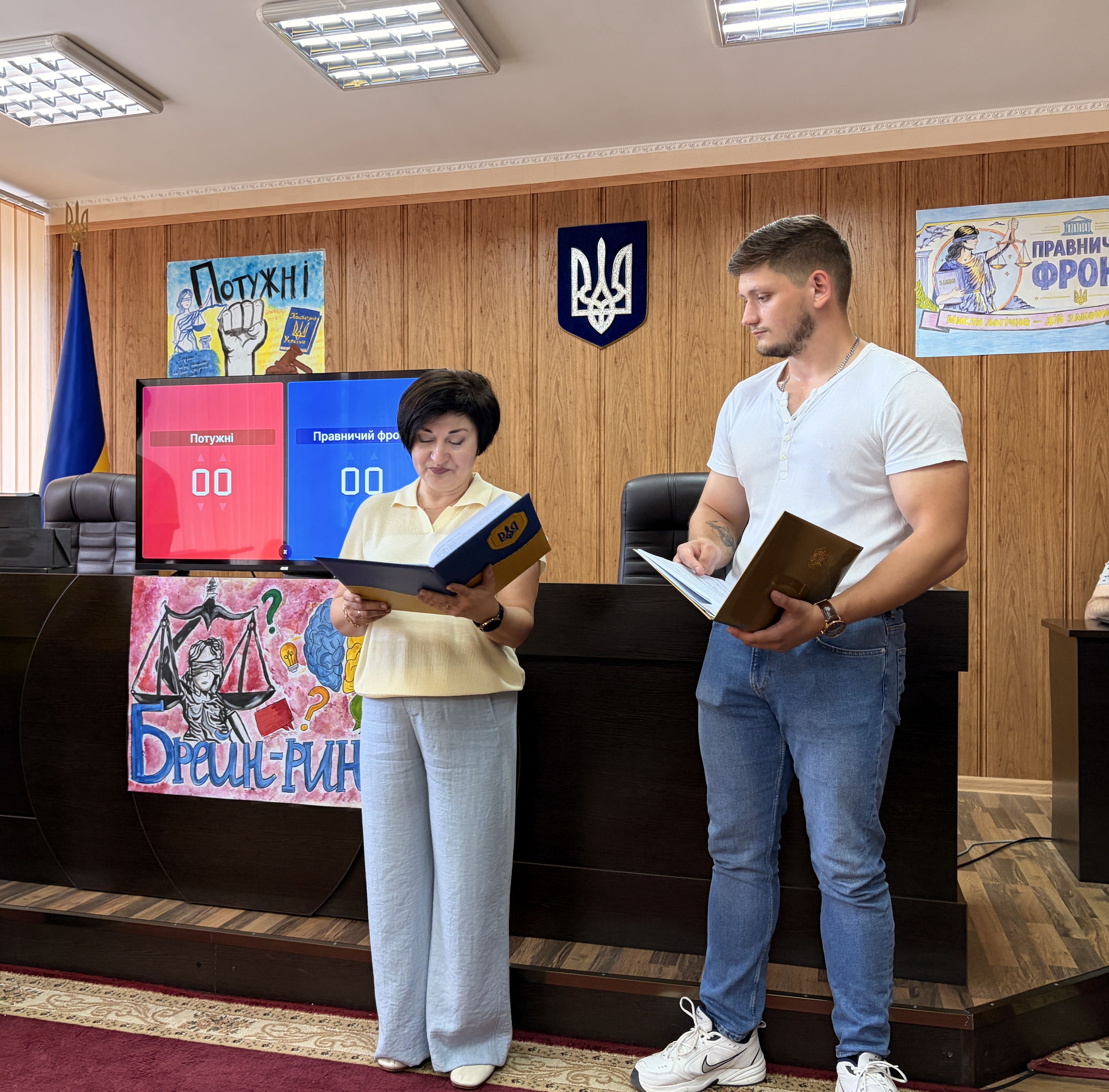
For example, the Zaporizhzhia District Administrative Court launched a series of thematic events dedicated to Administrative Justice Days. The first was an intellectual legal brain-ring dedicated to the 30th anniversary of the Constitution of Ukraine, which brought together judges and staff in a team competition format.
Opening the event, the court chairman Oleh Prudivus noted that holding the brain-ring during Administrative Justice Days has symbolic significance. He emphasized that administrative courts play an important role in ensuring the rule of law and protecting the rights, freedoms, and legitimate interests of citizens in the field of public-law relations, affirming the principles of legality and state responsibility to the individual.
Participants of the intellectual competition demonstrated a high level of legal knowledge, erudition, ingenuity, and teamwork skills. A distinctive feature of the brain-ring was the format where questions for opponents were prepared by the teams themselves, promoting the development of critical thinking and professional communication.
Two teams participated in the competition — "Legal Front" and "Powerful ones". Both showed a high level of preparation, quick thinking, and the ability to make decisions in complex legal situations.
Despite the competitive format, the main focus was on team cohesion and experience exchange. A special element of the event was a musical pause performed by Nikita Glazkov, the son of a judge's assistant, which added an informal atmosphere to the event.


Subscribe to our Telegram channel t.me/sudua and to Google News SUD.UA, as well as to our VIBER and WhatsApp, Facebook page and Instagram to stay updated on the most important events.