Father left all property to wife after stroke, not son: why the Polish court did not cancel the will


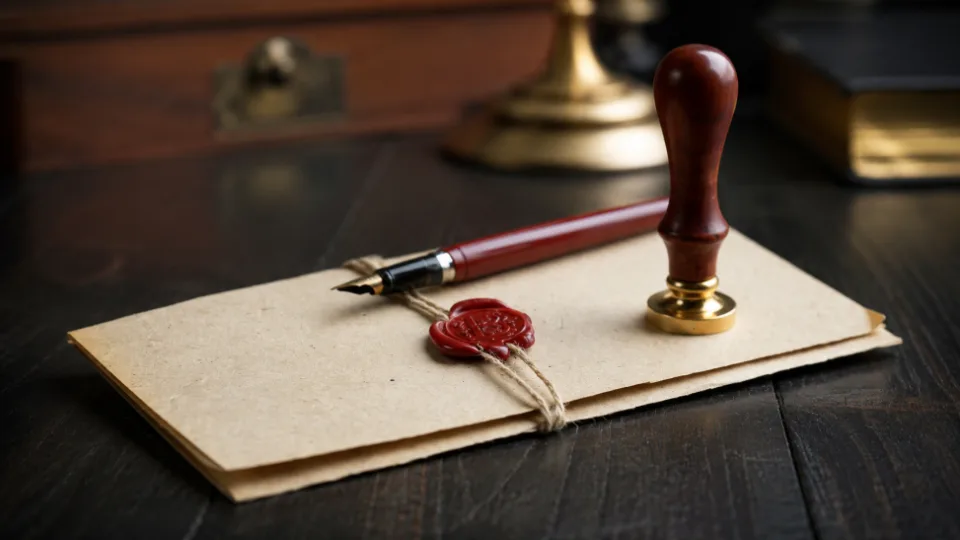










A stroke, physical dependence on the care of relatives, or poor health condition alone do not mean that a person could not consciously make a will. This was the conclusion reached by the Polish court when considering an inheritance dispute between the widow and the son of the deceased man. The court emphasized that if a person was not declared legally incapacitated, and their ability to make a will is in doubt, the decisive factor is the conclusion of a court expert, not just the fact of illness or the need for constant care.
The District Court of Świnoujście (Poland) in case No. I Ns 39/25 explained that if a person who made a will was not declared legally incapacitated but their mental state raises doubts, a court expert must be involved to assess the validity of the document. At the same time, the mere fact of being under constant care of relatives or physical dependence due to illness is not sufficient grounds to declare the will invalid.
The wife requested to be recognized as the sole heir
The widow applied to the court to confirm that she inherited all the husband’s property according to the will.
The man died on September 9, 2024. He left a notarized will in which he appointed his wife as the sole heir and simultaneously deprived his son of the right to inheritance.
According to the applicant, the husband did not make any other wills. The inheritance did not include agricultural holdings or enterprises subject to special inheritance rules.
The woman emphasized that during the notarization of the will, the notary had no reason to doubt the husband’s legal capacity, and the procedure was conducted without violations that could lead to the document’s invalidity.
What is known about the testator’s health condition
The wife explained that in 2015 her husband suffered an ischemic stroke of the cerebellum. According to her, this part of the brain is primarily responsible for coordination of movements and balance, not intellectual functions or the ability to think.
She noted that after the stroke, the husband functioned well both physically and mentally: he helped run her business, traveled to get goods, and cared for their grandson on weekends.
Additionally, the husband was constantly under medical supervision and underwent rehabilitation. At the time of making the will, according to the wife, he was fully aware of his actions.
The woman also drew the court’s attention to the fact that the son’s challenge to the will seemed unexpected, as the father had transferred all his property to him during his lifetime under a lifelong support agreement.
The son challenged the will
The deceased’s son also applied to the court asking to recognize that the inheritance should pass to heirs by law.
He questioned the validity of the notarized will, claiming that his father’s health condition did not allow him to independently, rationally, and consciously make decisions regarding the distribution of the inheritance.
According to the son, after the stroke, the father had serious comorbidities, including arterial hypertension, diabetes mellitus, dyslipidemia, and atherosclerosis.
The applicant believed that the father could not independently determine the circle of heirs, let alone explain the reasons for depriving him of inheritance rights, as he allegedly no longer had sufficient capacity to adequately perceive reality.
The expert’s conclusion was decisive
During the case, the court heard the notary, witnesses, participants in the process, and appointed a forensic neurological examination.
It was also established that during his lifetime, the parents gifted the son an apartment and constantly provided him with financial support regardless of his behavior. The son was financially secured, while the wife was left practically only with a plot of land in a gardening association where the couple lived.
The court expert concluded that from a mental and intellectual point of view, the testator was completely healthy.
The only question the expert left to the court’s discretion was whether the man made the will under psychological pressure due to fear of losing the care of loved ones.
However, the case materials indicated that the decision to make the will was made independently by the man. The document was signed only in the presence of the notary. The court also found that he did not act out of fear of losing care, as his daughter helped him without any demands for compensation, and he had been in a harmonious marriage with his wife for many years.
At the same time, the expert confirmed that starting from 2022, the man was completely dependent on constant care from relatives and could not independently meet his basic life needs without outside help.
The court recognized the will as valid
Having examined all the evidence, the court established that on June 19, 2023—the day the will was made—the man retained the ability to consciously and freely make decisions and express his will.
The court agreed with the conclusions of the forensic neurologist, which were also supported by other evidence in the case.
The decision emphasized that physical dependence on outside help and being under the care of family members alone do not prove the absence of free will when making a will.
The court noted that the testator maintained logical contact with his surroundings, was oriented in the situation, and understood the significance of his own decisions.
In contrast, the son’s and his partner’s claims about the father’s alleged impaired consciousness were not confirmed by other reliable evidence, so the court found them unconvincing.
Subscribe to our Telegram channel t.me/sudua and to Google News SUD.UA, as well as to our VIBER and WhatsApp, Facebook page and Instagram to stay updated on the most important events.