MPs may be allowed to bring children to sessions of the Verkhovna Rada


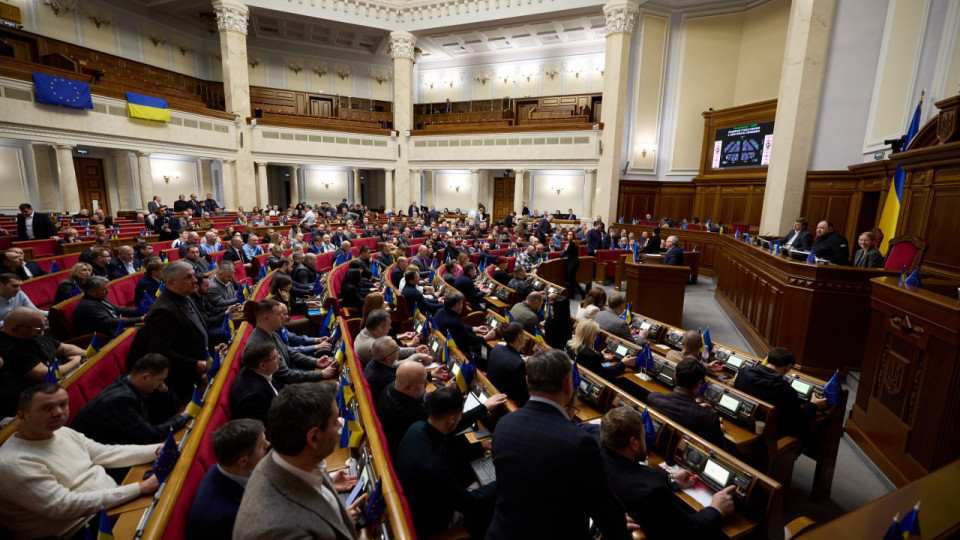










It is proposed to change the rules of the Verkhovna Rada so that MPs can combine their duties with caring for young children. These changes are outlined in draft law No. 15371.
Why the changes are necessary
Currently, the legislation does not create conditions for combining parliamentary work with childcare. This especially affects female deputies during breastfeeding and the early years of a child's life, when the lack of appropriate infrastructure and procedural opportunities effectively complicates participation in plenary sessions, voting, and parliamentary work.
The authors emphasize that the Verkhovna Rada is not only a legislative body but also a workplace for MPs, so the parliament must provide modern working conditions that consider parents' needs.
Justifying the legislative changes, the authors refer to recommendations from UNICEF, the World Health Organization, and the "first 1000 days" concept, according to which children under two years old are the most physiologically vulnerable group.
The authors also cite examples from other European parliaments.
For instance, the Bundestag has a kindergarten for children from six months to six years old, equipped with changing rooms and play areas. The Swedish parliament provides free daycare, and the Greek parliament has its own nursery and kindergarten directly within the parliamentary complex.
Proposed changes
The draft law proposes amendments to the Rules of Procedure of the Verkhovna Rada, the laws "On the Status of a People's Deputy of Ukraine," "On Committees of the Verkhovna Rada of Ukraine," and "On Temporary Investigative Commissions and Temporary Special Commissions of the Verkhovna Rada of Ukraine."
Specifically, it proposes to:
- allow an MP to be present at open plenary sessions of the Verkhovna Rada with their child under two years old if they are the child's father, mother, or legal representative;
- allow the presence of a child of the same age at open meetings of parliamentary committees and temporary investigative commissions;
- establish the obligation to create conditions in the Verkhovna Rada that enable combining parliamentary duties with parenting responsibilities;
- provide equipped spaces for parents and children within parliamentary buildings;
- allow the use of other forms of parental support as determined by internal normative and organizational documents of the Verkhovna Rada.
At the same time, the draft law does not change general labor law rules and does not apply to other employees. The proposal concerns exclusively MPs of Ukraine and the organization of the Verkhovna Rada's work.
For most employees, labor legislation already guarantees the ability to combine work with childcare. For example, the Labor Code of Ukraine allows taking leave to care for a child until the child reaches three years old and, in some cases, to use other labor guarantees for employees with family responsibilities.
However, MPs are not in labor relations in the classical sense and exercise their powers according to the Constitution and special laws. Therefore, the authors propose to separately regulate the possibility of combining parliamentary activity with parenting duties without interrupting the exercise of parliamentary powers.
Subscribe to our Telegram channel t.me/sudua and to Google News SUD.UA, as well as to our VIBER and WhatsApp pages, and follow us on Facebook and Instagram to stay updated on the most important events.


Popular news