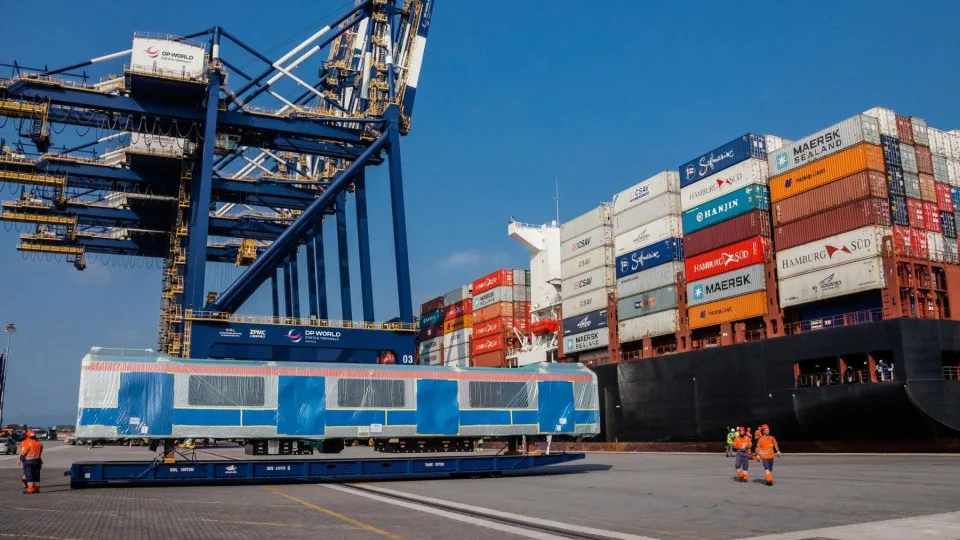
64 'ghost' containers: the state plans to transfer port cargoes that have been standing since 2012 to the military












The Ukrainian port industry is still burdened by regulations adopted at the beginning of independence. One such relic is the Decree of the Cabinet of Ministers of Ukraine dated April 8, 1993, No. 33-93. This document regulated the handling of cargo stored in ports beyond the established terms. With the adoption of the new Customs Code of Ukraine (CCU) in 2012, most of these issues were regulated according to modern standards, but some property remained blocked.
Draft law 15384, initiated by the government, aims not only to systematize legislation but also to direct blocked resources to strengthen the country's defense capability.
The main change is the recognition of Decree No. 33-93 as invalid. This decision is dictated by the Law "On Lawmaking Activity," which requires the systematization of norms contained in decrees from the 1990s. Currently, there are 64 containers with goods in the ports of the Odesa customs office that arrived before June 1, 2012. Since customs formalities for them began before the new CCU came into force, they are still subject to the old Decree and Resolution No. 536. The repeal of the Decree will allow these cargoes to be removed from the "gray zone."
Automatic transfer to state ownership
The draft law contains an imperative provision: all cargoes covered by the Decree will become state property. This concerns property stored in seaports or port stations beyond the terms.
The Cabinet of Ministers has six months to bring subordinate acts into compliance with the new norms. The Ministry of Development, Ministry of Finance, State Customs Service, and State Border Guard Service are involved in reviewing the regulatory framework.
Cargoes — to the front
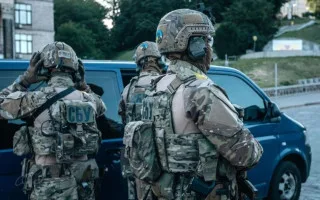
Instead of the complicated procedure of realization through commissions provided by Resolution No. 536, the cargoes are planned to be included in Order No. 1340. This opens the possibility for free transfer of property to the Armed Forces of Ukraine, the National Guard, the Security Service of Ukraine, and other military formations. The explanatory note clearly states that under martial law, this property should serve the defense of the state, ensuring national, energy, and food security.
Besides the military aspect, the draft law has important logistical significance. Long-term storage of "stale" cargoes occupies useful space in seaports, restraining cargo turnover. The implementation of the law will allow freeing these areas for efficient use, which is critically important for the functioning of "grain corridors" and other export-import routes.
The transfer of property to state ownership without a court decision, as provided by the draft law, may become the subject of constitutional disputes. Although it concerns cargoes considered abandoned for years, their owners (if they assert their rights) may challenge this procedure, referring to the guarantees of private property rights enshrined in the Constitution of Ukraine.
Moreover, a significant part of the containers has been in ports for over ten years. During this time, the goods may have lost consumer value, become morally obsolete, or unsuitable for use. During inventory, it may turn out that some property will have to be not transferred to the military or sold, but disposed of at the state's expense.
The repeal of the Cabinet of Ministers' Decree No. 33-93 is a natural stage in updating Ukrainian legislation. The draft law is intended to eliminate a legal gap that for years made it impossible to dispose of abandoned cargoes, free overloaded port areas, and create legal grounds for transferring suitable property to the needs of the state, primarily the security and defense sector.
At the same time, the effectiveness of the reform will depend not only on the adoption of the law but also on its practical implementation. Key factors remain transparent inventory of property, objective assessment of its condition, clear transfer procedures, and proper guarantees of property rights protection. The effectiveness of the law as a mechanism to solve a long-standing problem rather than a source of new legal disputes depends on this.
Subscribe to our Telegram channel t.me/sudua and to Google News SUD.UA, as well as to our VIBER and WhatsApp, our page on Facebook and on Instagram to stay informed about the most important events.