Driver complained about police and military enlistment center actions at checkpoint via 102, but was fined for allegedly false call: how the court resolved the dispute












The Prydniprovskyi District Court of Cherkasy considered an administrative case on a citizen's claim against the Main Directorate of the National Police in Cherkasy region to cancel the ruling on administrative liability under Article 183 of the Code of Ukraine on Administrative Offenses (CUAO). The plaintiff appealed the fine imposed on him for allegedly knowingly false police call through the special line “102”, which was imposed after his complaint about the actions of a police officer during document verification.
Essence of the case
As established by the court, by a police officer's ruling dated March 10, 2026, the plaintiff was held administratively liable under Article 183 CUAO and fined 3400 UAH for knowingly false call of special services. The basis for the ruling was his report to the special line “102” that police officers were detaining him without grounds.
The plaintiff asked the court to cancel the ruling, stating that it was illegal and unfounded.
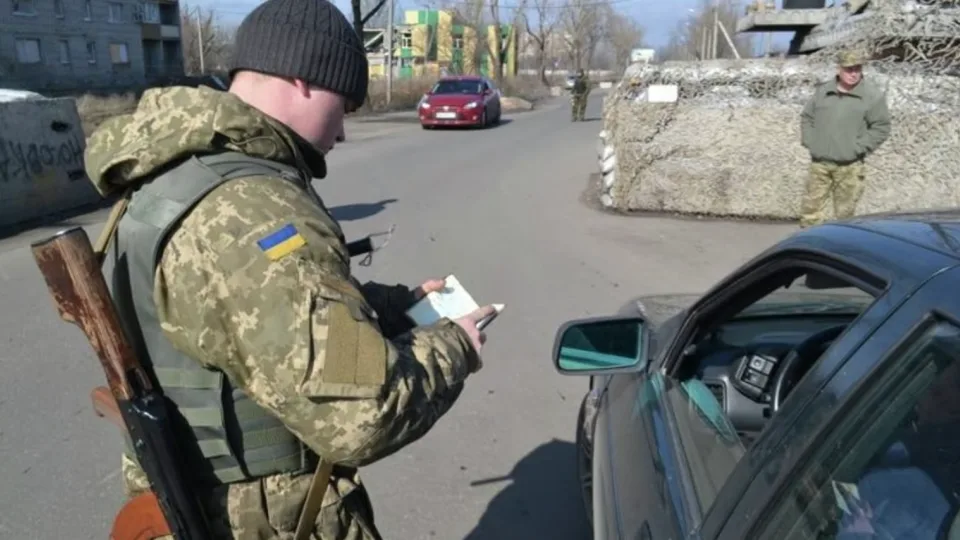
According to his explanations, on March 10, 2026, at about 6:25 a.m., he was driving a car on the Kyiv–Znamianka highway near the "Otaman" restaurant in the city of Korsun-Shevchenkivskyi when the vehicle was stopped by a police officer. Initially, the officer said the stop was made according to part two of Article 32 of the Law of Ukraine "On the National Police." At the same time, according to the plaintiff, there was no "Stop" road sign or signs of an established checkpoint at the location. After the driver questioned the legality of this basis for the stop, the police officer changed it, referring to point 7 of part one of Article 35 of the Law of Ukraine "On the National Police."
The plaintiff claimed he asked to provide normative legal acts confirming the introduction of movement restrictions on that road section, but the police officer did not do so and instead began threatening with forceful detention. At that time, the driver's wife called the special line "102" and reported what she considered a violation of their rights by the police officer. After that, the police officer said they had to stay in place because he intended to draw up administrative materials, then left to stop other vehicles.
As the plaintiff noted, about thirty minutes later the police officer returned but did not draw up any administrative documents; instead, he began demanding documents from a female passenger for administrative proceedings against her without explaining the legal grounds for such demands. After that, the driver himself called the "102" line to complain about the police officer's actions. Only then did the police officer inform them they were no longer detained, although, according to the plaintiff, they were actually detained without grounds for over fifty minutes.
The plaintiff also emphasized that no administrative offense case was considered in his presence, no ruling was issued on the spot, he did not refuse to sign it, and none of the special services mentioned in the ruling actually arrived at the scene. In his opinion, the police officer had no legal grounds either to stop the vehicle or to demand documents, so the call to the special line "102" was due to the need to complain about what he considered illegal actions of the police officers, not an intention to make a knowingly false call of special services. The plaintiff also noted that his actions lacked the objective element of the administrative offense under Article 183 CUAO, as there was no evidence that he knowingly provided false information to cause an unjustified police response.
Meanwhile, the Main Directorate of the National Police in Cherkasy region opposed the claim. The defendant stated that the plaintiff was lawfully held administratively liable under Article 183 CUAO because he provided false information to the "102" operator about unjustified detention by police officers. To support its position, the police referred to audio recordings of calls to the "102" service, the administrative offense ruling, and video recordings from the police officer's body camera.
Additionally, the defendant noted that the check was conducted jointly by police officers and the territorial recruitment and social support center based on a military command order.
During the vehicle stop, the police officer informed the driver of the legal grounds for checking military registration documents and identity documents and provided the relevant military command order for review, according to which police officers and the military enlistment center conducted checks on that road section. According to the police, after the check, the plaintiff was informed about the need to wait for a response to his complaint and the intention to issue a ruling under Article 183 CUAO, and later a copy of the ruling was sent by mail.
Position and conclusions of the court
Having examined the written evidence in case No. 707/1193/26, video recordings from the police officer's body camera, audio recordings of calls to the special line "102", and the parties' explanations, the court concluded that the plaintiff's claims were justified.
The court noted that according to part two of Article 19 of the Constitution of Ukraine, state authorities and their officials must act only on the basis, within the powers, and in the manner defined by the Constitution and laws of Ukraine. When considering disputes regarding decisions of authorities, the administrative court verifies whether such decisions were made in compliance with these requirements.
The court also cited provisions of the Law of Ukraine "On the National Police" regulating the police officer's right to demand presentation of documents and check military registration documents during martial law or mobilization, as well as provisions of Article 183 CUAO, which provides liability for knowingly false calls of special services. The court emphasized that the objective element of this administrative offense is the provision of knowingly false information, and the subjective element is characterized by direct intent, when a person is aware of the falsehood and desires an unjustified response by special services.
Evaluating the evidence provided by the parties, the court concluded that there was no conclusive evidence confirming that the plaintiff committed the administrative offense under Article 183 CUAO.
The court agreed that the first call to the special line "102" was made by the female passenger at the driver's request, and the second call was made by the driver himself. At the same time, the court believed that the mere fact of such calls does not indicate the plaintiff's intent to disrupt normal police work or cause an unjustified police response.
The court noted that the case materials show the plaintiff actually disagreed with the actions of police officers and military personnel who stopped his vehicle and demanded identity and military registration documents. He believed that the legality of such actions was not properly justified to him, so he called the special line "102" to complain about the officials' actions. Under these circumstances, the court did not find that the call was aimed at an unjustified police call.
Moreover, the court noted that according to video evidence, police officers did not arrive at the scene in response to the calls from the driver and passenger to the special line "102", no verification of the reported circumstances was conducted, and the ruling on administrative liability was issued by the same police officer whose actions were challenged during the call to "102".
The court emphasized that according to Articles 247, 251, and 252 of the CUAO, as well as part two of Article 77 of the Code of Administrative Procedure of Ukraine, the burden of proving the legality of the decision and providing evidence of all elements of the administrative offense lies with the authority. In this case, the defendant did not prove that the plaintiff knowingly provided false information and acted with direct intent to cause an unjustified call of special services.
In conclusion, the court found that the evidence collectively indicated the absence of proof that the plaintiff committed the administrative offense under Article 183 CUAO. Therefore, the fact of committing such an offense is unproven, and holding the person administratively liable cannot be considered lawful.
In view of this, the Prydniprovskyi District Court of Cherkasy satisfied the claim, canceled the ruling on holding the plaintiff administratively liable under Article 183 CUAO, and closed the proceedings in the administrative offense case.
Subscribe to our Telegram channel t.me/sudua and to Google News SUD.UA, as well as to our VIBER and WhatsApp, Facebook page and Instagram page to stay updated on the most important events.