How to Protect Yourself from Ticks — Medical Advice


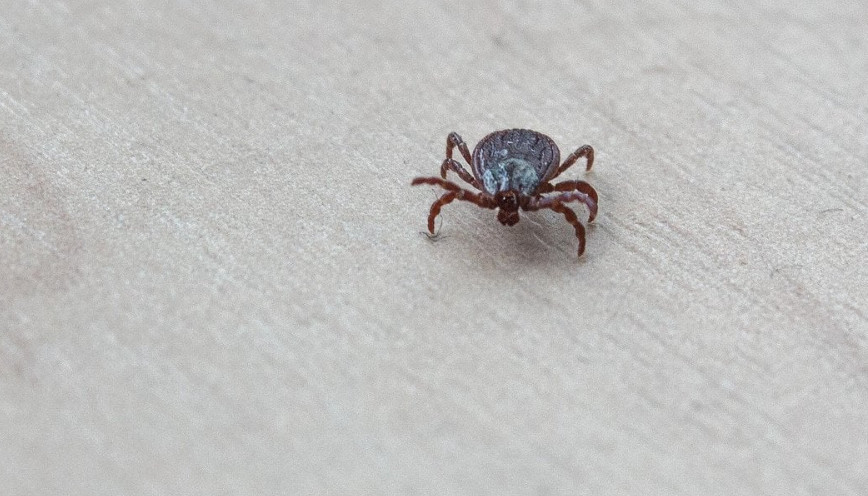










Ticks are dangerous for animals and humans, bite unnoticed, and carry various dangerous diseases, but you can protect yourself and your pets from them. This was reminded by the Ternopil Regional Center for Disease Control and Prevention.
A tick is an all-season animal; they do not disappear in winter, but the most dangerous time is spring and autumn. Be especially careful from April to June and from September to October.
How to Protect Yourself from Ticks
Take care of appropriate clothing before a walk. Choose closed shoes and clothing: the safest will be clothes with long sleeves, light-colored, preferably wear pants tucked into socks.
Cover your head with a hat — a cap, panama hat, scarf — and cover your neck.
Before the walk, use a repellent — a special product, usually in aerosol form, that repels ticks. Follow the instructions for use. Be sure to pay attention to the duration of its effect and do not forget to reapply when the effect expires.
During the walk, stay closer to the center of the path and do not enter the grass on the sides: that is where ticks are most numerous.
Clear the area for breaks from brushwood, branches, dry grass within a radius of 20–25 meters.
Examine yourself and your loved ones every two hours during the walk. Feeling a tick bite is almost impossible: the animal secretes an anesthetic substance that numbs the bite. A thorough inspection is needed, as a so-called nymph — a young very small tick — can also bite.
Immediately after returning home, inspect your loved ones, children, and yourself again: it is best to do this in a white bathtub with good lighting. Carefully examine your body, especially areas covered with hair.
At home, wash and iron your clothes. Most often, ticks cling to a person's clothing, so they can attach not only while being outdoors but also later, transferring from the clothes. Do not leave these clothes near the bed or sleep in them. Simply shaking out the clothes will not help get rid of a tick.
If you took a pet outdoors, it should also be checked for ticks.
The Center emphasizes that when a tick clings to clothing, it remains motionless until the person stops moving actively. Only then does it begin to look for a place to attach to the body — slowly moving from bottom to top. This process can last from 30 minutes to three or more hours, even several days.
A tick can stay on a person’s or animal’s body for up to 12 days. Adult ticks that have attached are usually noticed after 2–3 days: swelling, itching, redness appear at the bite site, and the tick itself increases in size.
How to Conduct an Inspection
Start the inspection from the bottom, from the feet, and gradually move upward:
- sock line;
- popliteal fossa (behind the knees);
- lower underwear line (groin), upper underwear line;
- lower bra line, upper bra line;
- shirt collar;
- hairline on the head, ears;
- hair and scalp — feel them with your hands.
Diseases That Tick Bites Can Cause
Not all ticks carry pathogens of dangerous diseases, but their bites can threaten humans with about 150 ailments. The most dangerous among them are:
- Tick-borne viral encephalitis;
- Lyme disease;
- Granulocytic anaplasmosis;
- Monocytic ehrlichiosis;
- Crimean-Congo hemorrhagic fever;
- Hemorrhagic fever with renal syndrome;
- Tularemia.
Subscribe to our Telegram channel t.me/sudua and to Google News SUD.UA, as well as to our VIBER and WhatsApp, our page on Facebook and on Instagram to stay informed about the most important events.