The State Labor Service explained how infrared radiation affects workers' health


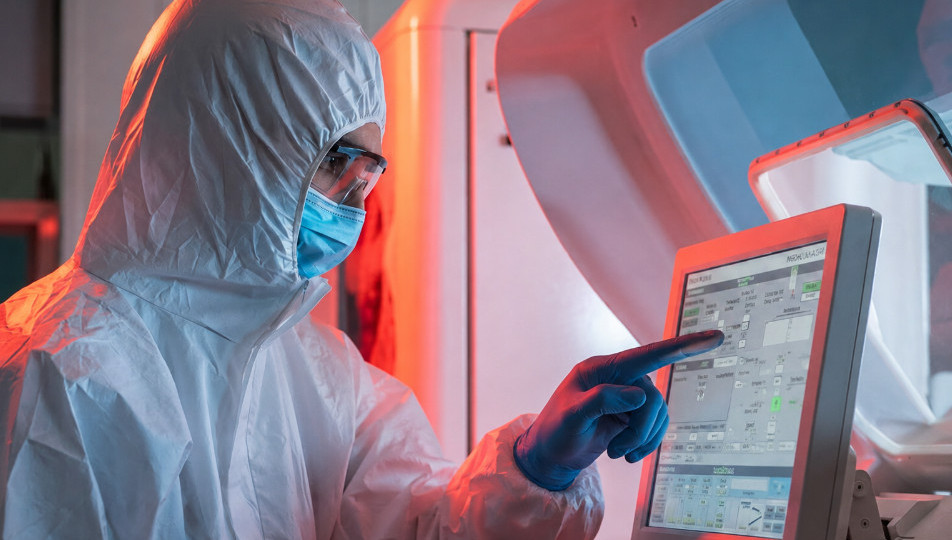










Infrared radiation is invisible thermal radiation generated from heated surfaces, ovens, stoves, ovens, grills, molten materials, and other hot equipment. It belongs to the physical factors of the production environment and affects the body mainly through heating of the skin and tissues. This was reminded by the State Labor Service of Ukraine.
The level of infrared radiation is assessed during workplace condition inspections and compared with hygienic standards.
What does infrared radiation include?
- Short-wave radiation can penetrate deeper into tissues and affect the eyes and skin.
- Medium-wave radiation creates a significant thermal load on the body.
- Long-wave radiation mainly heats the surface of the skin.
- Continuous or periodic radiation depends on the operating mode of the equipment.
Main sources:
- kitchen stoves, ovens, grills, deep fryers;
- hot surfaces and combi ovens in kitchens;
- metallurgical furnaces and molten metal;
- drying chambers and heating units;
- welding works;
- foundry, forging, and heat treatment production.
Who is at risk?
- cooks, bakers, confectioners;
- workers in food units and catering establishments;
- workers in hot workshops;
- welders, foundry workers, metallurgists;
- operators of furnaces and drying equipment.
Effects on the body:
- overheating of the body;
- increased sweating and fluid loss;
- headache, weakness, dizziness;
- heat exhaustion or heat stroke;
- skin burns with intense exposure;
- eye irritation and damage;
- decreased work capacity and concentration.
Important to know:
For kitchen workers, the danger increases due to the combination of infrared radiation, high air temperature, steam, humidity, and prolonged presence near hot equipment.
Prevention should primarily be based on technical and organizational measures, with personal protective equipment used as an additional safety level.
Preventive measures:
- effective ventilation and exhaust systems;
- thermal insulation of hot equipment surfaces;
- use of screens and protective partitions;
- limiting time spent near heat sources;
- regulated breaks for rest and cooling;
- ensuring drinking water availability;
- maintenance of stoves, ovens, grills, and exhausts;
- use of special clothing, gloves, aprons, and protective goggles;
- training workers in safe working methods.
When is intervention mandatory?
Intervention is mandatory if permissible levels of thermal load are exceeded, complaints of overheating, dizziness, weakness, burns, eye irritation occur, or health changes are detected during medical examinations.
Control of infrared radiation in the workplace is an important condition for safe work, especially for kitchen and hot workshop workers.
Subscribe to our Telegram channel t.me/sudua, Google News SUD.UA Google News SUD.UA, as well as our VIBER and WhatsApp, Facebook Facebook and Instagram Instagram pages to stay informed about the most important events.