Which Household Appliance Consumes the Most Electricity: How to Reduce Costs by Up to 20%












Household appliances significantly affect the amount on electricity bills, but the largest consumers are not always the devices traditionally considered the most powerful. A significant portion of expenses can be formed by equipment that operates almost continuously. That is why proper use and adjustment of such devices can noticeably reduce electricity consumption without losing comfort.
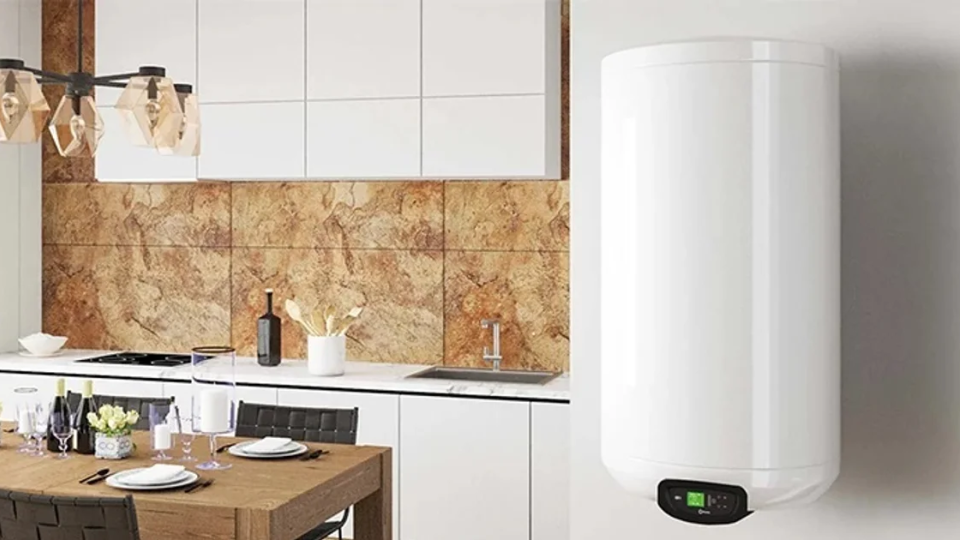
The common belief that washing machines or refrigerators consume the most electricity at home is not always true. Estimates show that a storage electric water heater can account for 20% to 30% of a family's total electricity expenses.
The reason lies in its operating features. Unlike washing or dishwashers, which only turn on during use, the water heater operates virtually around the clock. It not only heats water but constantly maintains its temperature, compensating even for slight cooling. Because of this, the heating element activates multiple times a day, leading to significant electricity consumption.
At the same time, modern refrigerators, thanks to inverter technologies, consume significantly less electricity — approximately 100–250 kWh per year.
Experts note that unnecessary expenses often arise at the stage of choosing a water heater. If you buy a model with too large a tank, you will constantly spend electricity heating a water reserve that is actually not used. Conversely, a tank that is too small empties quickly and has to frequently start a full heating cycle, which also increases electricity consumption.
It is recommended to select the tank volume according to the number of users:
- 50–80 liters — for one or two people;
- 80–120 liters — for a family of three to four people;
- from 150 liters — for large families or those who regularly use a bathtub.
The installation location of the water heater also plays an important role. If the device is located in a cold room — for example, in an unheated pantry, basement, or utility room — heat is lost faster, so the heating element works more often. Additional losses occur due to uninsulated water pipes, as hot water cools down before reaching the faucet.
Specialists emphasize that electricity consumption by the water heater can be reduced by about 15–20% without significantly limiting comfort. To do this, it is recommended to:
- set the heating temperature to 55–60 °C — this is sufficient for everyday use and helps slow down scale formation on the heating element;
- regularly clean the internal parts of the water heater from mineral deposits, which improves its efficiency;
- use aerators for faucets and water-saving showerheads, which reduce hot water consumption and decrease the number of heating cycles.
An electric water heater remains one of the most convenient ways to provide a home with hot water, but it can also be one of the largest electricity consumers. A properly selected tank volume, correct installation location, and optimal settings will help make its operation more economical while reducing electricity costs.
Subscribe to our Telegram channel t.me/sudua and to Google News SUD.UA, as well as to our VIBER and WhatsApp, Facebook page Facebook and on Instagram to stay updated on the most important events.