How courts should hear children in civil cases: without interrogation, pressure, and age restrictions












The National Association of Advocates of Ukraine has published a review of methodological recommendations on implementing the child’s right to be heard during the consideration of civil cases.
The document aims to ensure a unified approach to the implementation of this right, taking into account the individual characteristics and needs of the child, and also contains practical recommendations for judges, psychologists, lawyers, child services workers, and other participants in the process.
The recommendations emphasize that hearing the child should not be a formality. The court must create conditions under which the child can freely express their own opinion without fear or psychological pressure, and their position must be taken into account when making a decision in accordance with the principle of the best interests of the child.
There is no minimum age for hearing
The authors point out that neither the UN Convention on the Rights of the Child nor Ukrainian legislation establishes a minimum age from which a child can be heard. The decisive factor is not age but the child’s ability to formulate their own views. At the same time, the assessment of such ability should not become an obstacle to realizing the child’s right to be heard.
The child needs to be prepared for communication with the court
The recommendations provide for a separate stage of preparing the child for the hearing. It is necessary to explain to the child why the conversation is taking place, who will be present, how their words will be used, and why their opinion is important. It is recommended to use language understandable to the child, avoid complex legal terminology, and, if necessary, involve a psychologist and organize a preliminary meeting with the person who will conduct the hearing.
The court must ensure a safe atmosphere
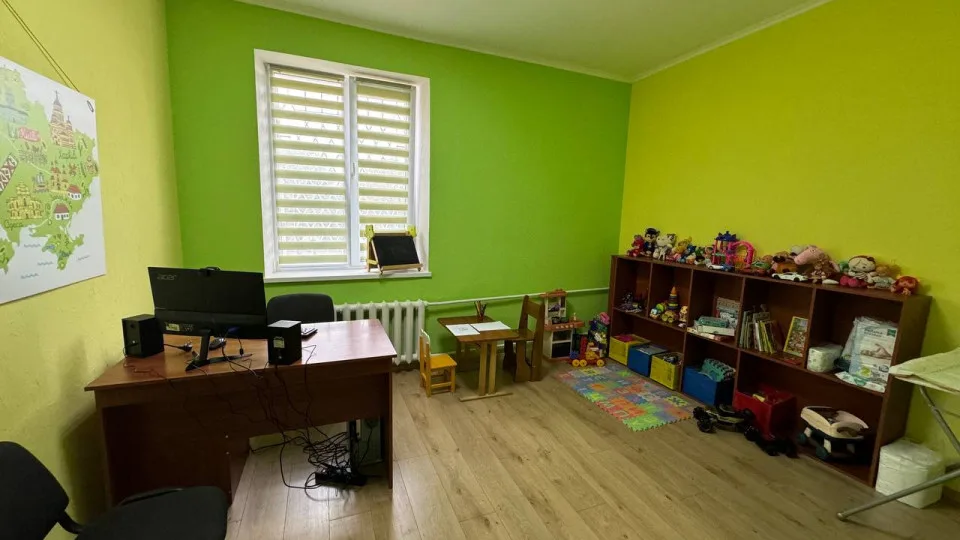
The document emphasizes that the hearing should take place in a child-friendly environment. If possible, it is recommended to conduct it in a specially equipped room, and in some cases—even in a "green room" or during an on-site court session. It is also proposed to ensure the confidentiality of the process, prevent external influence on the child, and limit the duration of the conversation according to the child’s age and ability to concentrate.
The child can express their opinion in different ways
The recommendations state that if the child finds it difficult to express themselves orally, their views can be conveyed in other ways—written, through a drawing, a representative, or other acceptable forms. When assessing the views, attention should be paid not only to the child’s words but also to their non-verbal reactions.
After the hearing, the child must be explained what will happen next
The document recommends informing the child after the hearing how their opinion will be taken into account when making a decision. Even if the court reaches a different conclusion, the child must be explained this in an accessible form and thanked for their participation. The recommendations also provide that the child should know about the possibility of appealing violations of their right to be heard and, if necessary, be provided with a lawyer.
The hearing is not an interrogation
Special attention in the recommendations is given to the practice of the Supreme Court. It is noted that hearing the child’s opinion is not a witness interrogation, as its purpose is not to establish the circumstances of the case but to clarify the child’s views. The court considers these views along with other evidence, based on the factual circumstances of the case and the principle of the best interests of the child.
There should be as few interviews as possible
The methodological recommendations also take into account the Council of Europe’s Guidelines on child-friendly justice. They provide that interviews with children should be conducted by qualified specialists in the most favorable conditions. If several interviews are necessary, it is advisable to entrust them to the same person, and the number of such procedures should be minimal. In addition, it is recommended to avoid leading questions and, if required by the best interests of the child, allow the child not to give testimony.
Subscribe to our Telegram channel t.me/sudua and to Google News SUD.UA, as well as to our VIBER and WhatsApp, Facebook page Facebook and on Instagram to stay informed about the most important events.