15 million UAH in case of a soldier's death: who has the legal right to the payment and who may be denied


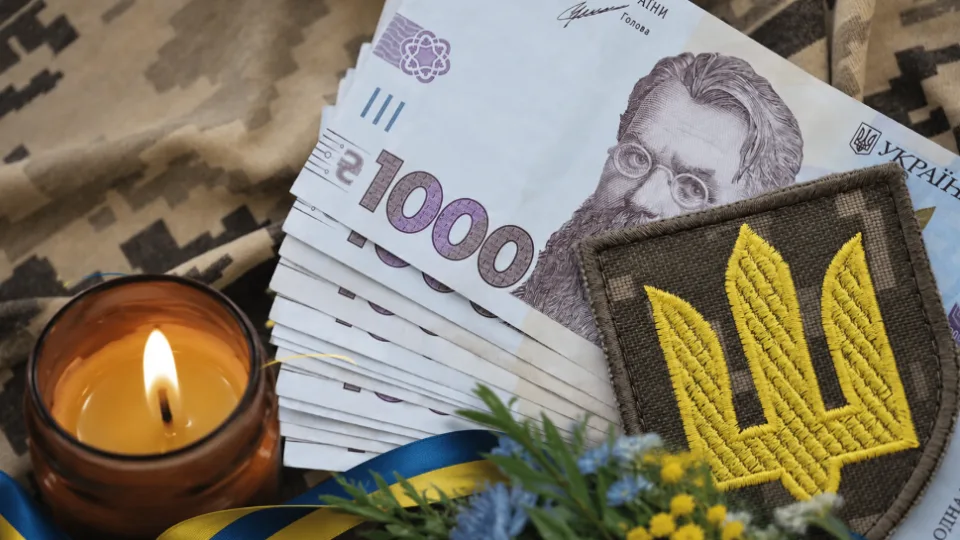










A one-time financial assistance payment in the event of the death of a serviceman is one of the key state guarantees for his family. However, the procedure for receiving these funds depends on a number of legal nuances. Who has the right to the payment, how 15 million UAH is distributed if the serviceman left a personal directive, who receives the money in his absence, and in which cases the state may refuse to grant assistance — these issues often become the subject of disputes among relatives and even court proceedings.
Who has the right to one-time assistance in case of a soldier’s death
In 2026, families of deceased servicemen have the right to a one-time financial assistance payment from the state in the amount of 15 million UAH.
The procedure for distributing these funds depends on whether the serviceman left a personal directive regarding the future payment.
How 15 million UAH is distributed if the serviceman left a personal directive
During the full-scale war, servicemen were given the opportunity to determine in advance who exactly should receive the one-time financial assistance in case of their death, as well as to establish the share for each recipient.
In this case, the payment is made to the persons specified in this directive.
At the same time, the law guarantees the right to a mandatory share to certain categories of family members regardless of the content of the personal directive. These include:
- minor and underage children;
- adult disabled children;
- disabled husband or wife;
- disabled parents of the deceased.
Such persons have the right to half of the share they would receive if the assistance were distributed according to general rules.
The application of this provision often becomes a cause of conflicts among relatives, especially if family members who have not maintained relations with the deceased serviceman for a long time claim the payment.
Who receives the payment if there is no personal directive
If the serviceman did not leave a personal directive, the one-time financial assistance is distributed equally among persons defined by law.
The right to receive funds belongs to:
- the husband or wife of the deceased;
- children, including adopted children, as well as those conceived during the serviceman’s lifetime;
- parents, if they have not been deprived of parental rights;
- grandchildren — if their parents have died.
Civil husbands or wives of the deceased may also claim the payment. However, to do so, it is necessary to confirm the fact of living as one family through court proceedings.
When the payment of 15 million UAH may be denied
Each case of a serviceman’s death is checked individually. The law defines circumstances under which the one-time financial assistance is not granted.
In particular, grounds for refusal may include cases where death occurred as a result of:
- committing a criminal or administrative offense;
- being under the influence of alcohol or drugs;
- intentional self-inflicted bodily harm or other health damage;
- suicide.
In addition, payment may be denied if false information or forged documents are submitted.
Why disputes arise regarding the payment of assistance
In practice, problems may arise not only due to disputes among potential recipients of funds. Families of deceased servicemen also face cases of refusal to grant assistance due to errors in documents or discrepancies in establishing the circumstances of death.
In such situations, protecting the right to receive one-time financial assistance is often only possible through court proceedings. At the same time, lawyers emphasize that the successful resolution of such disputes largely depends on proper documentary confirmation of the right to payment and the circumstances provided by law.
Subscribe to our Telegram channel t.me/sudua and to Google News SUD.UA, as well as to our VIBER and WhatsApp, page on Facebook and on Instagram to stay informed about the most important events.