Even Without a Bulging Lid: Which Homemade Canned Foods Can Be Deadly


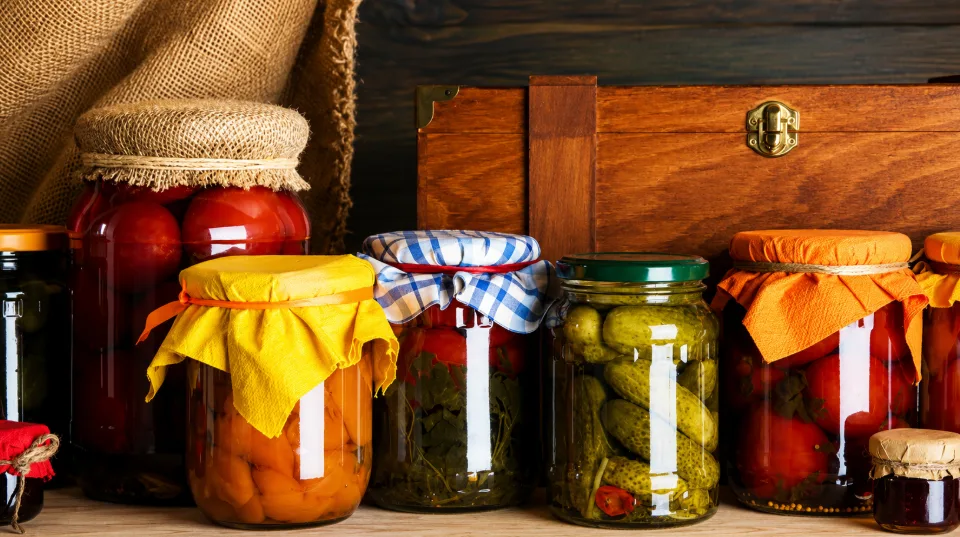










Summer and early autumn are the traditional seasons for home canning of vegetables, fruits, mushrooms, fish, and meat. During this period, many Ukrainians stock up for the winter, but along with this, the risk of botulism—one of the most dangerous food poisonings—increases. Experts emphasize that following canning rules, proper storage of products, and avoiding consumption of suspicious quality products can help prevent this dangerous disease.
What Botulism Is and Why It Occurs
Botulism is a severe food poisoning caused by the ingestion of botulinum toxin. This toxin is produced by the bacterium Clostridium botulinum in the absence of oxygen. That is why the most common source of infection is hermetically sealed homemade canned goods if the canning rules were violated during their preparation.
Botulism is most often associated with the consumption of homemade meat, fish, mushroom, and vegetable preserves, as well as homemade dried, smoked, or salted fish and meat.
How to Safely Preserve Food at Home
To ensure homemade preserves are safe, specialists from the State Service of Ukraine on Food Safety and Consumer Protection recommend:
- using only fresh and quality products;
- thoroughly washing vegetables, fruits, greens, and mushrooms, completely removing soil residues;
- using clean and sterilized jars and lids;
- following tested recipes and recommended preparation technologies;
- not using damaged jars or lids that do not ensure airtightness;
- storing homemade preserves in a cool, dark place.
Special attention should be paid when preserving meat, fish, and mushrooms. Homemade preserves from these products are most often linked to botulism cases because adequate sterilization is not always possible at home.
Which Preserves Can Be Dangerous
Do not consume homemade preserves if:
- the jar lid is bulging;
- the jar is damaged or leaking;
- the product has an unusual smell, changed color, or is covered with mold;
- there are any doubts about the quality of the product or the conditions of its preparation.
At the same time, it is important to remember that botulinum toxin does not change the taste, smell, or appearance of the product. Therefore, even preserves without visible signs of spoilage can be dangerous. If there are even the slightest doubts about the safety of the product, it is better not to consume it.
Why You Should Not Buy Homemade Preserves from Informal Sellers
Experts also advise against buying homemade preserves, as well as homemade smoked, salted, or dried fish and meat from random sellers or at informal markets.
Such products do not undergo state control, so their safety cannot be guaranteed.
What Are the Symptoms of Botulism
The first symptoms of botulism can appear anywhere from a few hours to several days after consuming a dangerous product.
The main signs of the disease include:
- visual disturbances (blurred or double vision);
- dry mouth;
- difficulty swallowing;
- speech impairment;
- general muscle weakness;
- nausea, vomiting, or abdominal pain;
- difficulty breathing.
If such symptoms appear after consuming homemade preserves or homemade fish or meat products, immediate medical attention is necessary. Self-treatment in such cases can be dangerous.
How to Reduce the Risk of Botulism
The risk of botulism can be significantly reduced by following home canning rules, using quality raw materials, and not consuming products of questionable origin or quality.
Following these simple recommendations will help protect yourself and your loved ones from one of the most dangerous food poisonings.
Subscribe to our Telegram channel t.me/sudua and to Google News SUD.UA, as well as to our VIBER and WhatsApp, our pages on Facebook and Instagram to stay informed about the most important events.