Are Air Conditioners Dangerous: Myths and Real Health Risks


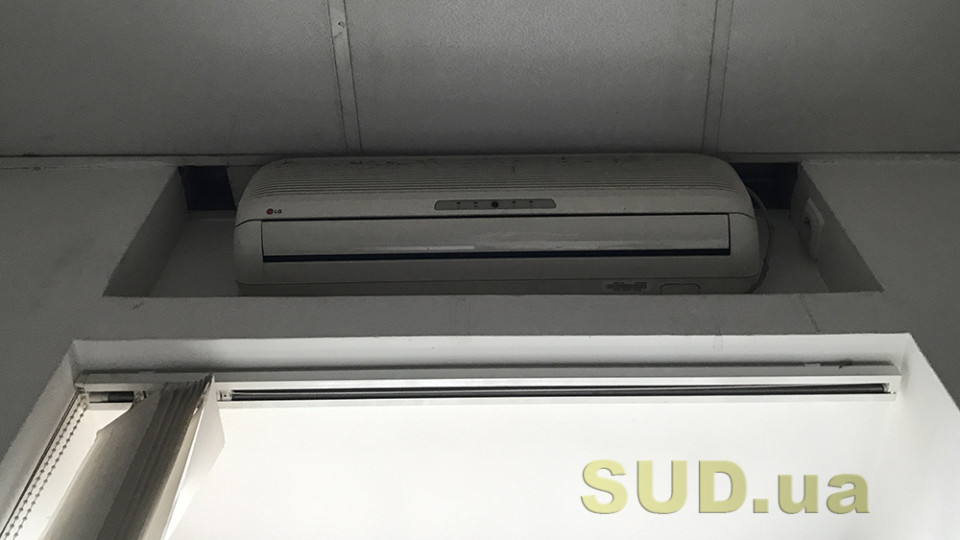










Air conditioners have long become an integral part of everyday life, especially in summer when the air temperature reaches high levels. At the same time, there are many myths about their impact on health. The air conditioner itself does not pose a health hazard, but improper use or lack of proper maintenance can lead to certain problems.
Common Myths About Air Conditioners
One of the most popular myths is the claim that air conditioners cause colds. In fact, colds are caused by viruses, not cooled air. However, prolonged exposure to a direct stream of cold air can lead to localized cooling of certain body parts, which is sometimes accompanied by pain in the muscles, neck, or back.
It is also a common belief that air conditioners inevitably become a source of dangerous bacteria. The risk does exist if the equipment is not cleaned or serviced for a long time. Dust, mold, and microorganisms can accumulate in dirty filters.
It is mistaken to think that an air conditioner provides fresh air intake. Most household air conditioners only cool or heat the air already in the room, constantly circulating it. Therefore, even with an air conditioner, the room needs to be regularly ventilated to maintain a normal oxygen level and reduce carbon dioxide concentration.
Real Health Risks
Most often, air conditioner users experience dryness of the mucous membranes of the nose and eyes due to reduced humidity in the room. This is especially felt by people who wear contact lenses or have chronic respiratory diseases.
Another risk is a sharp temperature difference between the outside and inside. Doctors recommend that the difference does not exceed 6–8 degrees Celsius. Significant fluctuations can cause discomfort, headaches, or worsening well-being.
In addition, dirty air conditioning systems can worsen indoor air quality and provoke allergic reactions in sensitive individuals.
How to Use an Air Conditioner Safely
Experts advise regularly cleaning or replacing filters, performing device maintenance according to the manufacturer's recommendations, and avoiding directing cold air directly at people. It is also important to maintain a comfortable temperature within 22–26 degrees and periodically ventilate the room.
Do not sit or sleep directly under the air conditioner. Prolonged exposure to cold air on one part of the body can cause pain in the neck, back, shoulders, or joints. It is better to direct the airflow upwards or sideways.
Prolonged operation of the air conditioner can reduce humidity in the room. This can cause dryness in the nose, throat, and eyes. If necessary, use a humidifier or ventilate the room more often.
Children, elderly people, and individuals with chronic diseases may be more sensitive to temperature changes. For them, it is especially important to maintain a comfortable temperature regime and avoid hypothermia.
Subscribe to our Telegram channel t.me/sudua and to Google News SUD.UA, as well as to our VIBER and WhatsApp, Facebook page and Instagram to stay informed about the most important events.