Swimming in the Heat: How to Avoid Danger While Relaxing at Water Bodies


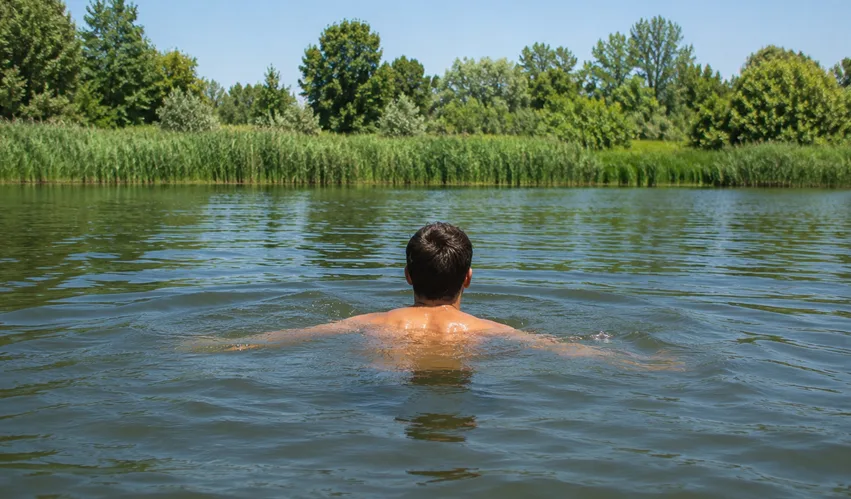










On hot summer days, water bodies become one of the most popular places for relaxation. However, during this period, the number of accidents on the water significantly increases. The causes are often carelessness, sudden temperature changes, swimming in dangerous places, or overestimating one's strength. To ensure safety while resting near water, it is worth following several important rules.
Do not rush into the water
After prolonged exposure to the scorching sun, the body becomes very hot. Jumping immediately into cool water can cause a sudden temperature change that may trigger vascular spasms, heart rhythm disturbances, loss of consciousness, or seizures.
Before swimming, it is better to spend a few minutes in the shade and enter the water gradually, first wetting your hands, legs, and chest. This adaptation helps the body better tolerate the temperature change.
Choose only safe places for swimming
Experts recommend swimming only at official beaches or specially equipped places where water quality is checked, the bottom is inspected, and lifeguards are on duty.
It is better to avoid swimming in quarries, technical reservoirs, or places with unknown depths. Also, do not ignore warning signs prohibiting swimming.
Even people who swim well can face danger. Cramps, strong currents, or sudden deterioration of health can occur unexpectedly.
Therefore, it is not recommended to swim far from the shore or beyond buoys, as well as to cross large water bodies. If you feel tired, it is better to return to the shore immediately.
Alcohol and water are a dangerous combination
One of the most common causes of tragic incidents on the water remains alcohol consumption.
After drinking alcohol, a person controls their movements worse, reacts more slowly to danger, and often misjudges their own strength. Because of this, the risk of drowning significantly increases even in a familiar water body.
Special attention to children
Children must not be left near water unattended even for a few minutes. Inflatable rings, vests, or mattresses do not guarantee complete safety.
An adult must constantly stay nearby and monitor the situation, regardless of whether the child can swim.
Do not dive in unfamiliar places
Under the water surface, there may be stones, metal structures, trees, or other dangerous objects. Diving headfirst in an unfamiliar place can lead to severe spinal or head injuries.
If you do not know the depth of the water body and the condition of its bottom, it is better to avoid diving.
Leave the water immediately during a thunderstorm
Water conducts electricity well, so being in it during a thunderstorm is extremely dangerous. If you hear thunder or see lightning, you should immediately get out to the shore and take shelter in a safe place.
Do not forget about hydration
Even while swimming, the body continues to lose fluids. Due to the heat, the risk of dehydration significantly increases, so it is important to regularly drink clean water. After resting near the water, it is also advisable to avoid prolonged exposure to direct sunlight and use a hat.
If you see someone drowning or losing consciousness, first call rescuers or dial 101 or 103. Do not risk your own life if you do not have water rescue skills. If possible, provide the victim with a lifebuoy, rope, or any floating object.
Subscribe to our Telegram channel t.me/sudua and to Google News SUD.UA, as well as to our VIBER and WhatsApp, Facebook page and Instagram to stay informed about the most important events.