Children on TikTok Have Started Earning Thousands, but Their Rights Are Still Unprotected: Why Ukraine Needs Rules for Young Influencers


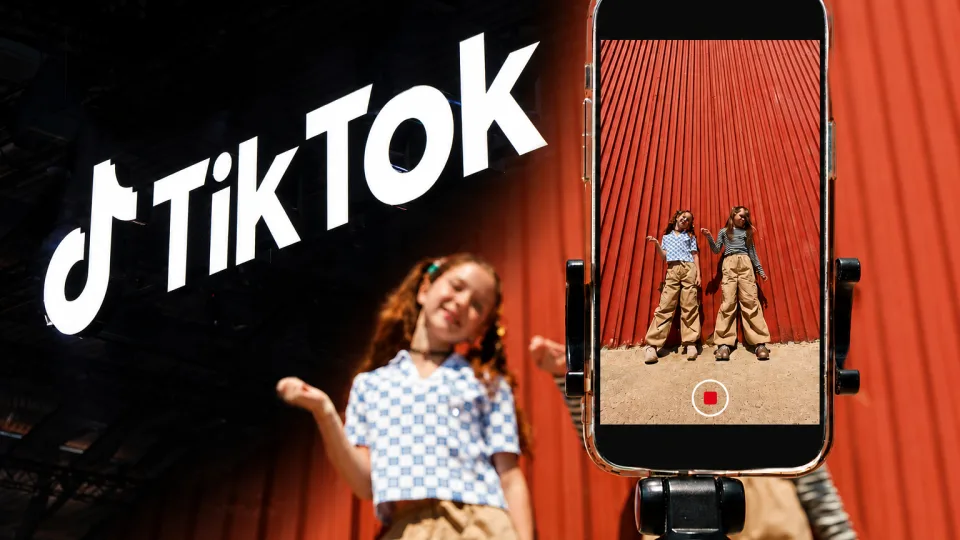










Today we are witnessing the formation of a new legal phenomenon — "digital childhood". The Internet has ceased to be a neutral space, becoming the main means of exercising the right to freedom of expression. However, this digital freedom has another side.
Along with limitless opportunities, it generates unprecedented threats — from algorithmic addiction and manipulative content to child labor exploitation and their involvement in criminal activities.
The rapid development of the digital economy has turned children into active participants in the online content market. Through YouTube, TikTok, Instagram, esports, streaming platforms, and other services, minors increasingly earn income from content monetization, advertising, affiliate programs, and building their own brand. However, Ukrainian legislation still lacks comprehensive regulation of child influencer activities.
According to the Civil Code of Ukraine, minors under 14 cannot independently enter into commercial contracts, and those aged 16 and over can engage in entrepreneurial activities only after acquiring full civil capacity. In practice, contracts of young influencers with platforms and advertisers are signed by parents, which creates risks regarding the management of the child’s income, protection of their privacy, and commercial exploitation.
The Council of Europe, the European Union, and leading digital regulation countries, including Spain and France, are shaping a new model of digital responsibility. The central question today is: how to ensure a safe digital environment for children without depriving them of the right to full participation in the digital life of society?
Child Blogger as Artist and Employee
On July 21, the Spanish Council of Ministers adopted amendments to the "Artist Statute", which for the first time legislatively regulated the status of child bloggers and influencers.
Previously, child blogging was often disguised as a "family hobby," allowing avoidance of labor regulation. Now, the only permitted mode of work for children under 16 in the creative field (including social media and advertising) is a labor contract.
Any activity of a child requires a single state permit valid throughout Spain. Businesses must ensure that work does not interfere with the child’s education and social life.
Strict limits on working hours and a complete ban on night work for persons under 16 have been introduced, as well as restrictions for those aged 16-17.
Even in digital projects, if the scene involves intimate content, the presence of a coordinator who strongly protects minors' rights is mandatory.
Meanwhile, France became one of the pioneers in this area: as early as 2020, it adopted a special law on child influencers regulating their commercial activities, limiting working hours, and guaranteeing the preservation of earned funds.
Moreover, in July 2026, the French Parliament took the next step by supporting a law banning the use of social networks by children under 15 without special control mechanisms. These changes demonstrate a pan-European trend toward strengthening child protection in the digital environment and may serve as a guideline for further improvement of Ukrainian legislation.
The AI Era: The Right to Voice and Image
Spain also became the first country to integrate protection against generative Artificial Intelligence into artists' labor contracts, including children.
Using a child’s voice or image to train AI models or create digital clones is not included in a standard contract. This requires separate written consent and separate financial compensation.
Platforms are prohibited from fully replacing a child’s live work with their AI copy if this leads to the loss of the essence of artistic activity.
Standards of the Council of Europe and the EU: Child Safety as a Priority
On April 8, 2026, the Committee of Ministers of the Council of Europe adopted Recommendation CM/Rec(2026)4, to which Ukraine also contributed. The document establishes a new approach to child protection in the digital environment: the main responsibility for their safety lies not only with parents but also with the digital platforms themselves.
Major tech companies, including Meta, TikTok, and Google, must prevent the spread of content that may harm children. Algorithmic recommendations are no longer considered neutral tools.
The European Commission recommends limiting social media use by younger children, specifically under 13 years old, and ensuring effective parental control.
Online platforms, in turn, must explain how recommendation systems work, especially regarding content actively spread among children and other vulnerable groups.
This approach demonstrates a shift in European regulatory policy: the focus moves from reacting to violations to preventing them by designing a safe digital environment ("safety by design").
Ukraine: Between Challenges and Progress
Despite the full-scale war, Ukraine is actively adapting European standards of digital child safety while developing its own protection practices amid constant cyberattacks and information operations.
The UN Convention on the Rights of the Child guarantees not only the right to life, survival, and comprehensive development but also the right of every child to access information that promotes their physical, mental, spiritual, and social well-being. At the same time, this document obliges states to protect children from information that may harm their development.
In Ukraine, these international standards are reflected in the Law of Ukraine "On Media," which introduced a set of requirements for media content dissemination aimed primarily at protecting children from harmful information and creating a safe informational environment.
In particular, the dissemination of materials containing scenes of violence, promoting drugs, tobacco, alcohol, or gambling is restricted.
The level of basic digital skills among Ukrainians has risen to 58%. Educational initiatives, including the "Hygiene" campaign, teach children and teenagers to recognize phishing, online fraud, and other digital threats.
Although the legislation does not yet define a separate legal status for bloggers, content creators can voluntarily register as online media, obtaining the corresponding legal status and professional guarantees.
Ukrainian experience shows that effective child protection in the digital environment requires not only legislative restrictions but also the development of digital literacy, platform responsibility, and the formation of a culture of safe online behavior.
Main Challenges of Children’s Digital Safety
Despite legislative development, the digital environment remains a source of new risks for children and teenagers.
Research shows that about a quarter of Ukrainian children have encountered calls to perform dangerous tasks or participate in risky flash mobs that may threaten their health or life. Online harassment, blackmail with intimate materials, and other forms of digital violence increasingly become subjects of criminal proceedings, but effective investigation is complicated by the anonymity of offenders and the transnational nature of digital platforms.
And, of course, unregulated child blogging. Ukrainian legislation does not yet establish special rules for the activities of child bloggers.
There are no clear requirements regarding parental involvement in content creation, use of the child’s income, restrictions on commercial advertising, or protection of minors' privacy. This creates risks of child exploitation in the digital environment, excessive commercialization of their activities, and violation of the right to privacy. The reform of the "Artist Statute" in Spain is an exemplary attempt to balance technological progress with basic labor rights.
In Ukraine, the growth of child blogging popularity outpaces legislative regulation. As a result, the child remains effectively unprotected: alongside cyberbullying, destructive challenges, and digital illiteracy, new categories of risks related to the commercialization of children’s presence on social networks emerge.
What Needs to Be Done
Ukraine has already begun improving legal regulation. In particular, draft laws No. 15395 and No. 15396 have been registered in the Verkhovna Rada, aimed at strengthening child protection in the digital space and identifying dangerous online trends.
However, it is still necessary to adapt legal mechanisms to the realities of the digital environment, including reviewing approaches to defining the place of cybercrime, improving international cooperation, and ensuring effective mechanisms for holding global digital platforms accountable in cases of child rights violations.
We cannot ban the Internet, but we must make it safe. A child blogger is not a toy but a subject of law with clear labor guarantees and protection from exploitation. The experience of Spain and France proves: a child creating commercial content should be regarded not only as a social media user but as a subject of law whose labor, property, and personal non-property rights require special protection.
Legislation must provide not only legal formalization of child bloggers' activities but also guarantees regarding the duration of their creative work, privacy protection, transparent management of earned income, and prevention of any forms of digital exploitation. Such an approach will allow combining creative freedom, digital economy development, and unconditional adherence to the principle of the best interests of the child.
Subscribe to our Telegram channel t.me/sudua and to Google News SUD.UA, as well as to our VIBER and WhatsApp pages on Facebook and Instagram to stay informed about the most important events.


Popular news