In Dnipro, the protection of veterans' rights in courts was discussed: among the issues — timely and fair protection


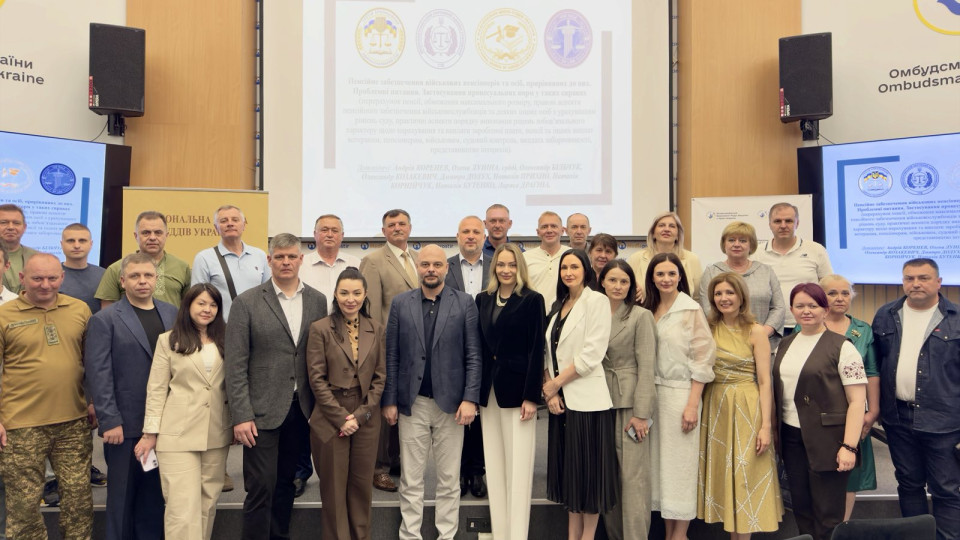










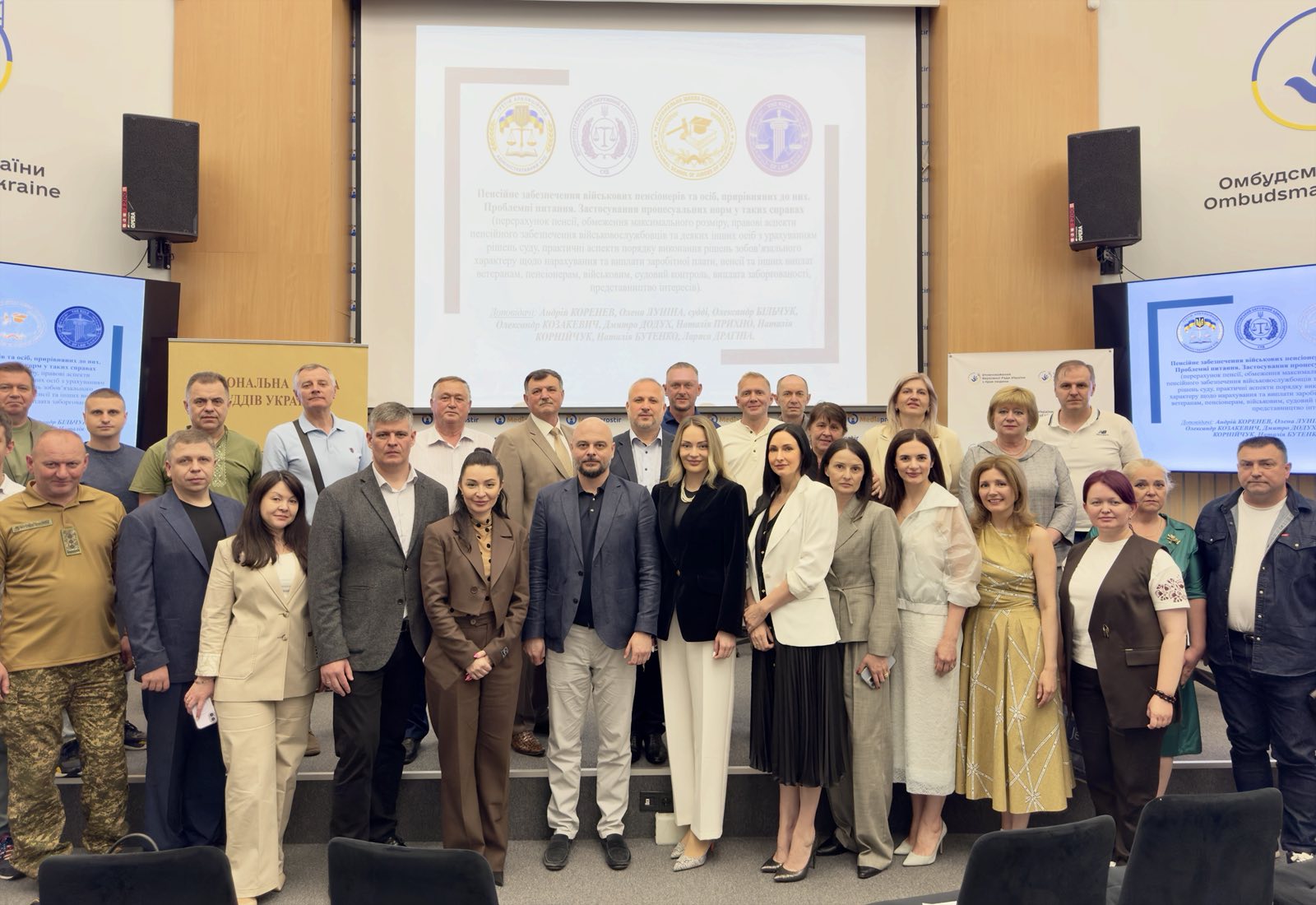
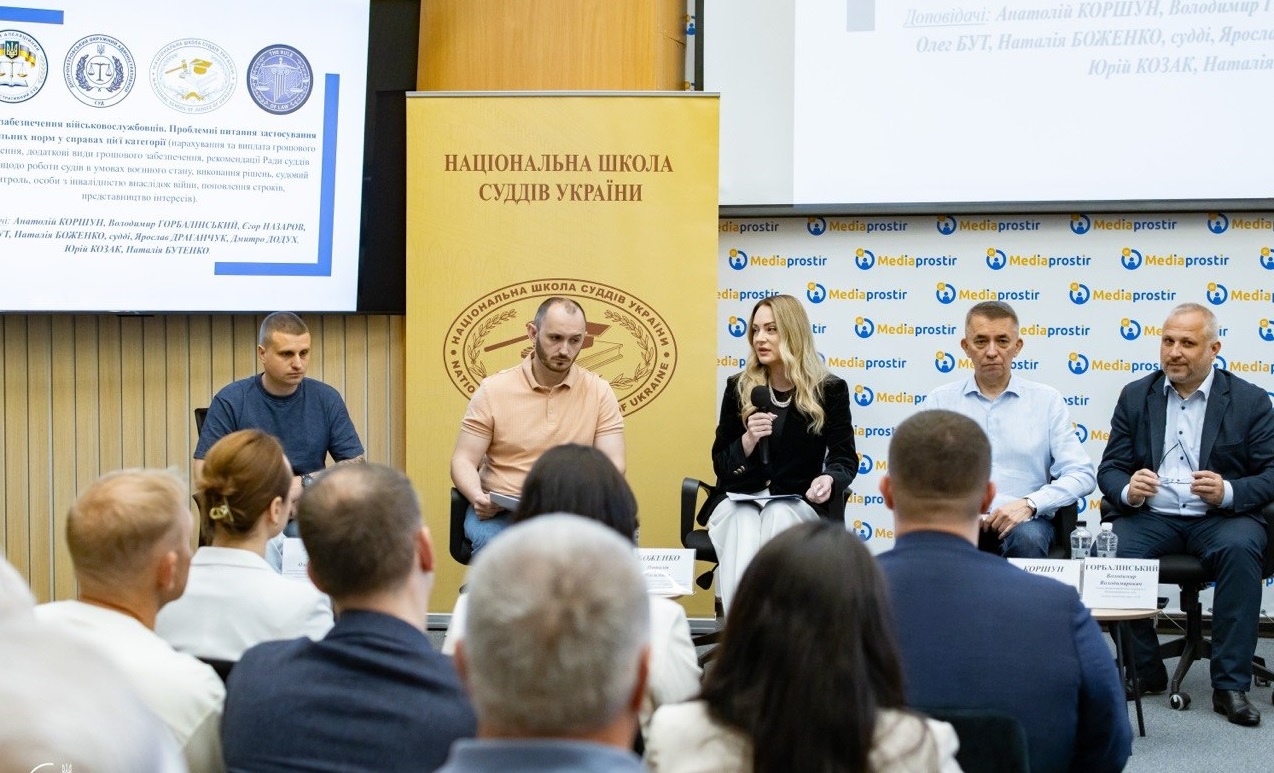
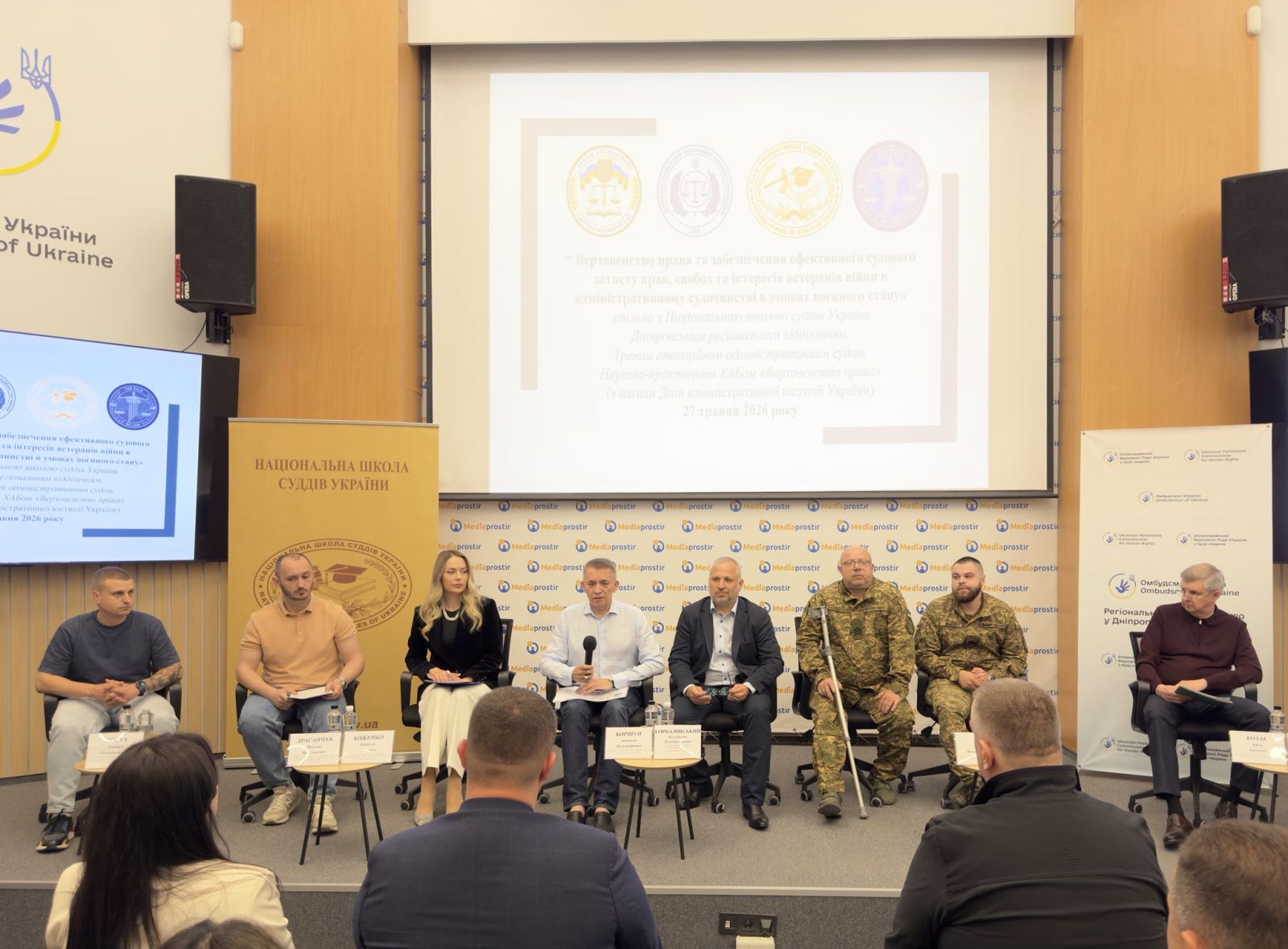
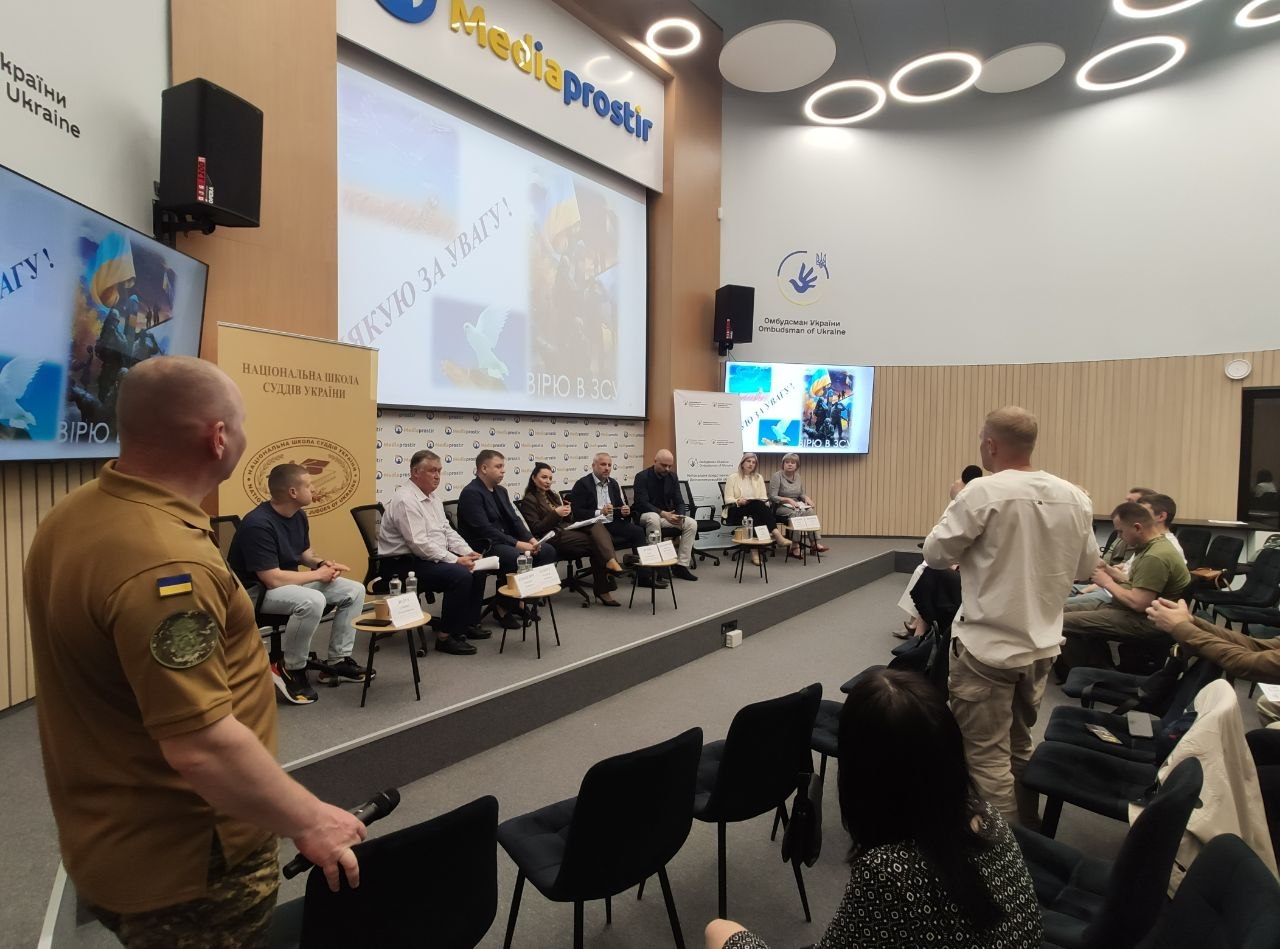
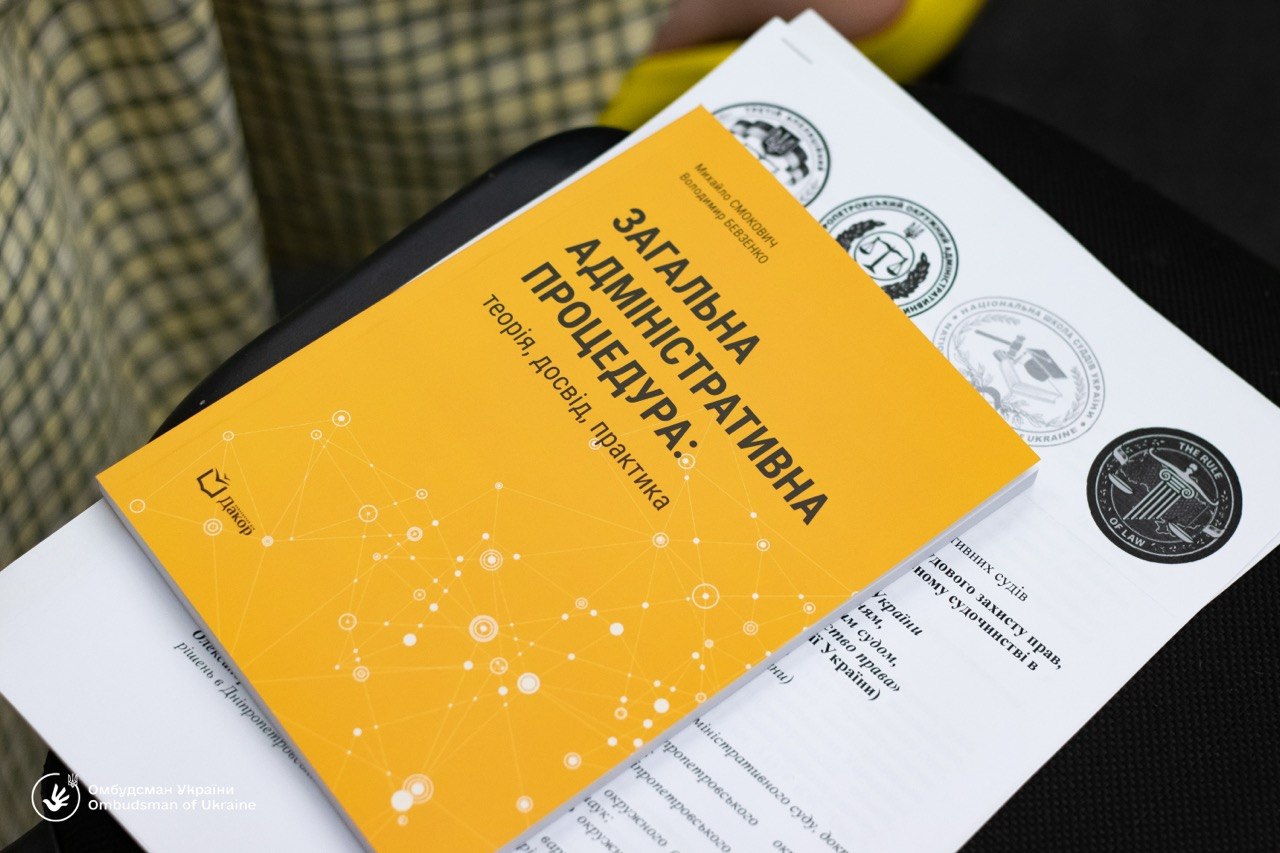
A roundtable dedicated to ensuring effective judicial protection of veterans' rights under martial law was held in Dnipro. The event was part of the celebration of the Days of Administrative Justice of Ukraine and brought together judges, representatives of state bodies, lawyers, veterans, and law enforcement agencies.
As noted by the Dnipropetrovsk District Administrative Court, the professional discussion became a platform for open inter-institutional dialogue on one of the key challenges of modern administrative justice — ensuring real and effective protection of the rights of veterans, servicemen, and their family members under martial law conditions. The participants focused not only on problematic aspects of law enforcement but also on finding practical solutions capable of removing bureaucratic barriers and ensuring effective protection of Ukraine's defenders.
Opening the roundtable, the representative of the Commissioner of the Verkhovna Rada of Ukraine for Human Rights in the Dnipropetrovsk region, Oleksiy Urlatkin, emphasized that in the conditions of full-scale war, protecting the rights of servicemen, veterans, and their family members is one of the important tasks of the state and society.
“Fair and timely protection of the rights of veterans and military personnel is, first of all, respect for the people who defend Ukraine,” said Oleksiy Urlatkin.
The head of the Dnipropetrovsk District Administrative Court, Volodymyr Horbalinsky, stressed that in wartime, ensuring the rights of veterans and servicemen requires not a formal approach but constant professional interaction between courts, state bodies, and the legal community. According to him, such meetings are an important platform for developing a common vision and working out effective mechanisms to protect the rights of this category of citizens.
“Effective justice today is not only a decision made but also a real opportunity for a person to receive timely and fair protection and proper enforcement of a court decision,” emphasized Volodymyr Horbalinsky.
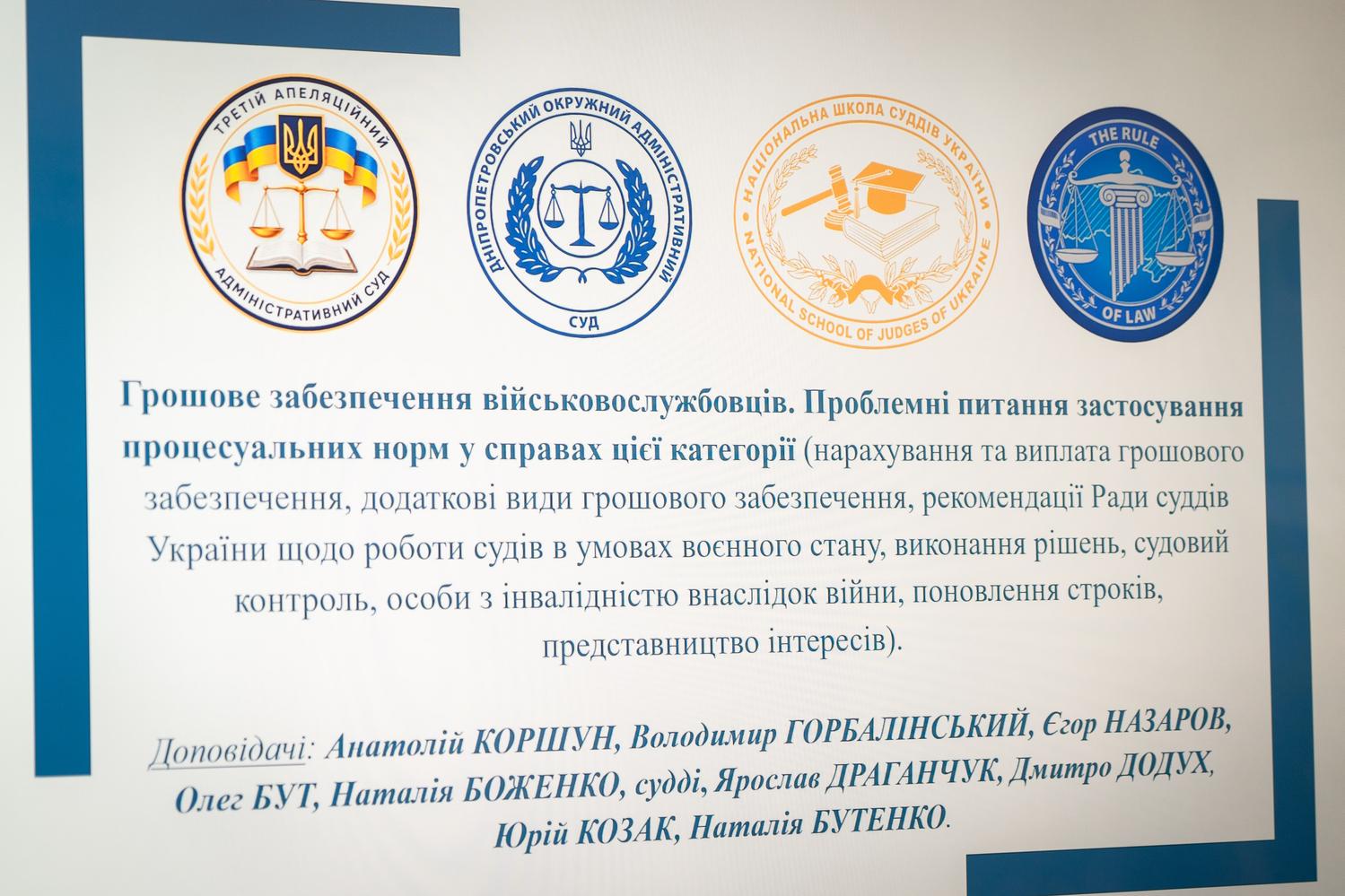
The roundtable program was built around two practical blocks. The first concerned the financial support of servicemen, the accrual of additional payments, enforcement of court decisions, and the peculiarities of applying procedural norms in cases of this category under martial law. Participants also discussed issues of restoring procedural deadlines, judicial control, representation of military interests, and ensuring the rights of persons with disabilities due to the war.
The second thematic block was devoted to issues of pension provision for military retirees and veterans. Key aspects of judicial practice in this category of cases were highlighted by the judge-speaker of the Dnipropetrovsk District Administrative Court, Olena Lunina. Participants focused on pension recalculations, limitations on their maximum size, payment of arrears, as well as practical aspects of enforcing court decisions in cases related to social payments.
Special attention was paid to inclusiveness, barrier-free access, and ensuring proper legal assistance to veterans. Judge of the Dnipropetrovsk District Administrative Court and member of the Council of Judges of Ukraine, Nataliya Bozhenko, emphasized modern approaches to ensuring accessible and barrier-free justice for veterans and presented recommendations of the Council of Judges of Ukraine regarding court operations under martial law.
“Barrier-free and accessible justice for veterans today must not be a declaration but a real standard of the judicial system's work,” emphasized Nataliya Bozhenko.
Veterans and servicemen also participated in the discussion, raising practical problems of interaction with state bodies and the judicial system.
.jpg)
Subscribe to our Telegram channel t.me/sudua and to Google News SUD.UA, as well as to our VIBER and WhatsApp pages, on Facebook and Instagram to stay informed about the most important events.