Destroyed apartment can no longer be subject to a pledge: The Supreme Court considered the case of an apartment in Bakhmut












A woman purchased an apartment in Bakhmut, and later found out that since 1998 the apartment had been pledged as collateral for the previous owner’s loan.
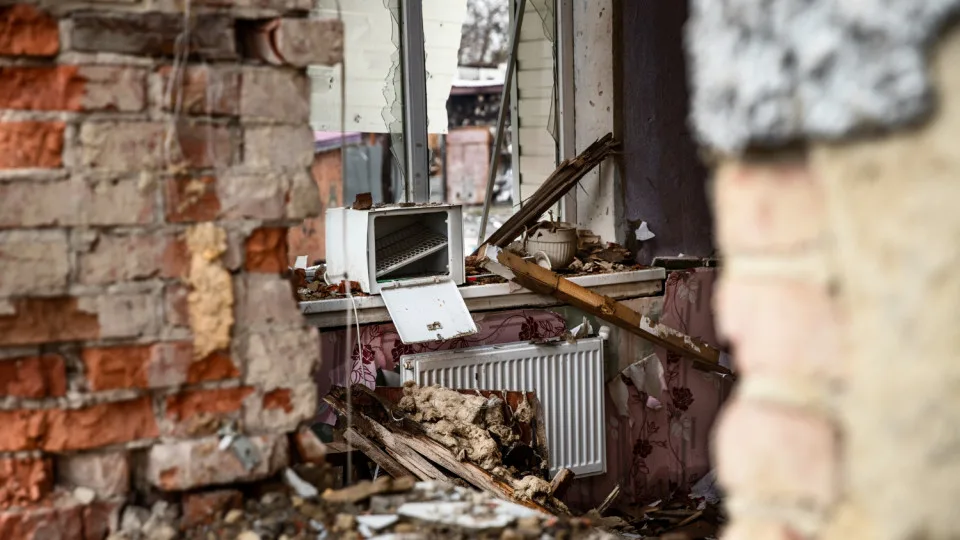
After the housing was destroyed as a result of hostilities, the owner decided to apply for state compensation. However, the state registrar refused her because the register still showed an encumbrance in the form of a pledge and a prohibition on alienating the apartment.
The Supreme Court stated that the destruction of the pledged property is a legal basis for terminating the encumbrance on real estate and lifting the prohibition on its alienation. This is crucial for owners of housing destroyed due to hostilities, as it allows the removal of encumbrances necessary for obtaining state compensation.
Case details
In the reviewed case, it was noted that the plaintiff purchased an apartment in Bakhmut, which, as it turned out later, had already been pledged since 1998 under a loan agreement of the previous owner. To formalize the right to compensation due to the destruction/damage of the apartment, she applied to the state registrar but was refused due to the registered encumbrance on the property rights to the apartment. The plaintiff asked the court to lift the prohibition on alienation, arguing that she was a bona fide purchaser and that the property was actually destroyed due to Russian aggression.
The courts of first and appellate instances satisfied the claim. They justified their decisions by stating that the plaintiff was a bona fide purchaser of the apartment, had no outstanding obligations to the bank, and the creditor had not made claims to the debtor or his heirs for a long time.
Position of the Supreme Court
The Civil Court of Cassation within the Supreme Court partially satisfied the bank’s cassation appeal and made the following legal conclusions.
In particular, the Civil Court of Cassation within the Supreme Court clarified that according to Article 27 of the Law of Ukraine "On Pledge," a pledge remains in force if, on one of the grounds specified in the law, the property or property rights constituting the subject of the pledge are transferred to another person. The pledge also remains in force in cases where, in the manner prescribed by law, the pledgee assigns the secured claim to another person or the debtor transfers the debt arising from the secured claim to another person.
The cassation court noted that the lower courts mistakenly considered the bona fide status of the purchaser sufficient grounds for removing the encumbrance, without taking into account that the main obligation under the loan remained unfulfilled.
According to Article 27 of the Law of Ukraine "On Pledge," the pledge remains in force if, on one of the grounds specified in the law, the property or property rights constituting the subject of the pledge are transferred to another person. The pledge also remains in force in cases where, in the manner prescribed by law, the pledgee assigns the secured claim to another person or the debtor transfers the debt arising from the secured claim to another person.
Thus, the pledge remains valid when ownership of the pledged property passes to another person.
At the same time, the courts did not pay attention to the plaintiff’s arguments regarding the destruction of the pledged property and did not give them appropriate legal assessment in light of the requirements of Article 28 of the Law of Ukraine "On Pledge" and paragraph 2 of part 1 of Article 593 of the Civil Code of Ukraine. The most important norm in this context is paragraph 2 of part 1 of Article 593 of the Civil Code of Ukraine, according to which the right of pledge terminates in case of loss of the pledged property if the pledgor does not replace the pledged property.
The Civil Court of Cassation within the Supreme Court concluded that since the plaintiff applied to the registrar specifically for compensation for the destroyed/damaged property, the courts should have established the circumstances regarding the destruction of the pledged property, which according to Article 28 of the Law of Ukraine "On Pledge" is grounds for its termination.
As a result of considering the bank’s cassation appeal, the Civil Court of Cassation within the Supreme Court annulled the decisions of the lower courts and sent the case for a new trial to the court of first instance.
The ruling of the Civil Court of Cassation within the Supreme Court dated May 27, 2026, in case No. 212/3248/25 (proceeding No. 61-12889sv25).
Subscribe to our Telegram channel t.me/sudua and to Google News SUD.UA, as well as to our VIBER and WhatsApp, our page on Facebook and on Instagram to stay informed about the most important events.