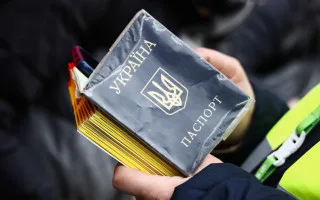
Military Service, Injuries, and Medication Do Not Exempt from the Obligation to Undergo a Sobriety Test


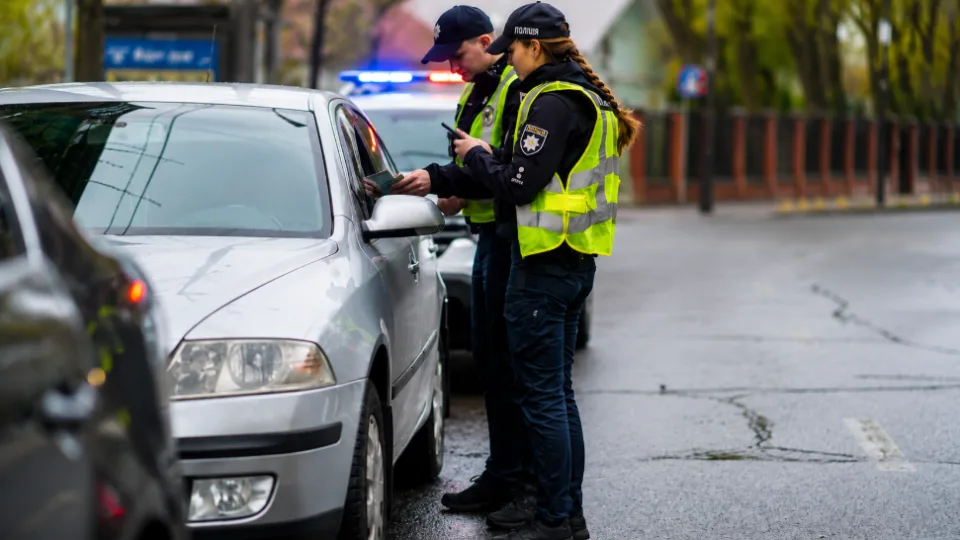










Military service, combat participation, sustained injuries, or medication use do not, in themselves, invalidate the legality of a police officer’s demand for a medical examination for intoxication. If a police officer observes signs, as specified in the Instruction, that warrant directing a driver for such an examination, a refusal to comply in the legally prescribed manner constitutes an administrative offence under Part 1 of Article 130 of the Code of Ukraine on Administrative Offences (CUAO). This conclusion was reached by the Dnipro Court of Appeal.
Case Circumstances
On 30 July 2025, in the Pokrovskyi district of Donetsk region, police stopped a VAZ 2108 vehicle driven by a serviceman of the Armed Forces of Ukraine. During communication with the driver, officers identified external signs, specified in the Instruction, that justified directing the individual for an examination to determine narcotic intoxication, namely facial pallor and trembling fingers.
The driver was directed to a medical facility for examination but refused. This refusal was recorded in the protocol, the referral for examination, and on video recordings from the police officers' body cameras.
The Amur-Nyzhnodniprovskyi District Court of Dnipro found the man guilty of the offence under Part 1 of Article 130 CUAO and imposed a fine of UAH 17,000, along with deprivation of the right to drive vehicles for one year.
Defence Arguments
In the appeal, the defence requested that the ruling be cancelled and the case proceedings closed.
The defence noted that at the time of the stop, the driver was an active serviceman on official duty, serving in a combat mission area. The defence also emphasised that the facial pallor and trembling hands were consequences of severe combat injuries and prolonged use of potent painkillers, not evidence of narcotic intoxication. Additionally, the driver informed the police about his injuries and treatment, and denied using narcotics.
The defence further argued that the driver could not attend the medical facility for the examination as he was on official duty. According to the appellant, the case materials did not contain sufficient evidence of signs of narcotic intoxication, and these signs were not corroborated by the video recording. It was also separately noted that the police did not offer to conduct an on-site examination using special technical means.
Position of the Appellate Court
The appellate court recognised the reasons for missing the appeal deadline as valid and reinstated it. The court also accepted and examined the documents submitted by the defence regarding military service and the serviceman’s health condition.
However, in the court’s opinion, these circumstances did not refute the conclusion that an administrative offence had occurred.
The court noted that the mere fact of military service or participation in combat does not affect the proof of guilt. Moreover, the case materials did not confirm that the driver was executing an official order at the moment the vehicle was stopped. The provided documents showed that his direct participation in the relevant activities only began on 1 August 2025.
The appellate court also concluded that explanations regarding injuries and medication use do not invalidate the legality of the police officers' demand for a medical examination. On the contrary, the presence of external signs specified in the Instruction gave the police lawful grounds to direct the driver to a healthcare facility for verification.
Why the Court Rejected Arguments About On-Site Examination
The appellate court separately addressed the procedure for conducting intoxication examinations.
The court explained that, according to Ministry of Internal Affairs and Ministry of Health Instruction No. 1452/735, an examination using special technical means directly at the vehicle stop location is provided only for detecting alcohol intoxication.
In contrast, if signs of narcotic intoxication are detected, the police must direct the driver to the nearest healthcare facility. Therefore, the court found the defence’s arguments that the police did not offer an on-site examination to be unfounded.
Refusal to Undergo Examination Constitutes an Offence
The appellate court emphasised that, according to the disposition of Part 1 of Article 130 CUAO, for holding a person administratively liable, the fact of refusal to undergo the examination in the manner prescribed by law is significant.
The court also noted that the reasons for such refusal do not affect the presence of an administrative offence, except in cases provided by Article 17 CUAO.
Since the refusal was confirmed by the administrative offence protocol, referral for medical examination, and video recordings from police body cameras, the appellate court concluded that the driver’s guilt was proven by proper, admissible, and sufficient evidence.
As a result, the appellate court dismissed the appeal and upheld the ruling of the Amur-Nyzhnodniprovskyi District Court of Dnipro. The appellate court’s ruling in case No. 199/11453/25 came into legal force upon its adoption, is final, and not subject to further appeal.
Subscribe to our Telegram channel t.me/sudua, follow SUD.UA on Google News , and join us on VIBER, WhatsApp, Facebook and on Instagram to stay informed about the important events.