When a serviceman can be discharged from service due to family circumstances: a complete list of grounds


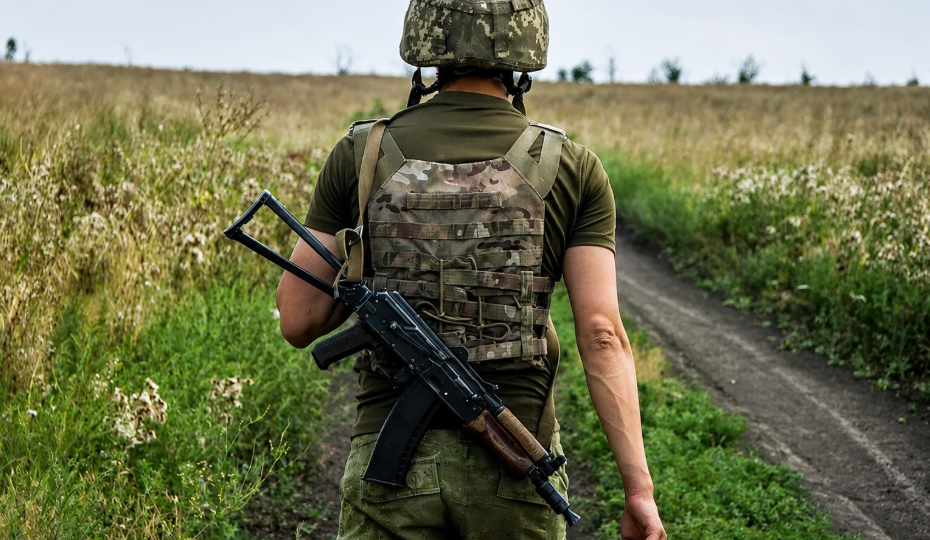










During the martial law in Ukraine, the list of grounds for discharge from military service remains limited. At the same time, the law provides for a number of family circumstances under which servicemen may be discharged from service. These include pregnancy, childcare and care for family members, guardianship of persons with disabilities, as well as the death or disappearance of close relatives.
Pregnancy and childcare
Female servicemembers have the right to discharge:
- due to pregnancy;
- while on leave to care for a child up to three years old;
- if the child requires home care — up to six years old with a medical certificate.
Grounds related to having children
Discharge from service is possible if:
- both spouses serve in the military and have a child under 18 years old — in this case, the wife may have the right to discharge;
- the servicemember supports three or more children under 18 years old, provided there is no alimony debt exceeding payments for three months;
- a person independently raises a child under 18 years old, including if the other parent is deceased, missing, deprived of parental rights, or absent for other legal reasons.
Guardianship, adoption, and upbringing of children
Grounds for discharge also include situations where the servicemember:
- has adopted an orphan or a child deprived of parental care under 18 years old;
- is a guardian, custodian, foster parent, or caregiver;
- independently raises a child with a disability under 18 years old;
- supports an adult child with a disability of group I or II;
- raises a child with severe illnesses or conditions, including oncological diseases, cerebral palsy, type I diabetes, severe nervous system damage, as well as in cases requiring transplantation or palliative care, if the child’s disability is not established and there are no other able-bodied persons obligated to support them.
Care for family members
Servicemembers who provide constant care for the following have the right to discharge:
- a wife or husband with a disability of group I or II;
- a wife or husband with a disability of group III if the disability is related to cancer, loss of organs or limbs, mental disorder, or paralysis;
- parents or parents-in-law with a disability of group I or II — if there are no other first- or second-degree relatives who can provide care;
- a legally incapacitated person under guardianship;
- a second-degree family member with a disability of group I or II — in the absence of other relatives who can provide care.
Death or disappearance of close relatives
Discharge is possible if:
- close relatives died or went missing during participation in the Anti-Terrorist Operation, Joint Forces Operation, or during repelling armed aggression against Ukraine;
- a relative was posthumously awarded the title Hero of Ukraine for participation in the Revolution of Dignity.
How the discharge procedure takes place
To be discharged, a servicemember must submit an application and documents confirming the grounds for discharge. The application must specify:
- the grounds for discharge;
- information regarding the desire or refusal to serve in the Armed Forces reserve under the relevant military registration specialty;
- the name of the Territorial Recruitment and Social Support Center (TRSSC) to which the personal file should be sent.
What documents need to be attached
Depending on the grounds, the application may be accompanied by:
- birth certificates of children;
- medical certificates and conclusions;
- conclusion of the medical advisory commission;
- medical certificate about a child with a disability;
- medical certificate about pregnancy and childbirth;
- documents confirming disability;
- court decisions or guardianship and custody authorities' decisions.
Application review period
The commander is obliged to review the application immediately, but no later than 48 hours after submission.
Based on the review, an order for discharge or refusal of discharge is issued.
What to do in case of refusal
If the discharge is denied, the servicemember may appeal the decision:
- extrajudicially — by submitting a complaint to higher command, operational command, the General Staff of the Armed Forces of Ukraine, or the Ministry of Defense;
- judicially — by applying to the district administrative court.
Subscribe to our Telegram channel t.me/sudua and to Google News SUD.UA, as well as to our VIBER and WhatsApp, Facebook page and Instagram to stay informed about the most important events.