Kyiv is being prepared for a difficult winter amid Russian attacks: what will happen with heat, water, and energy security












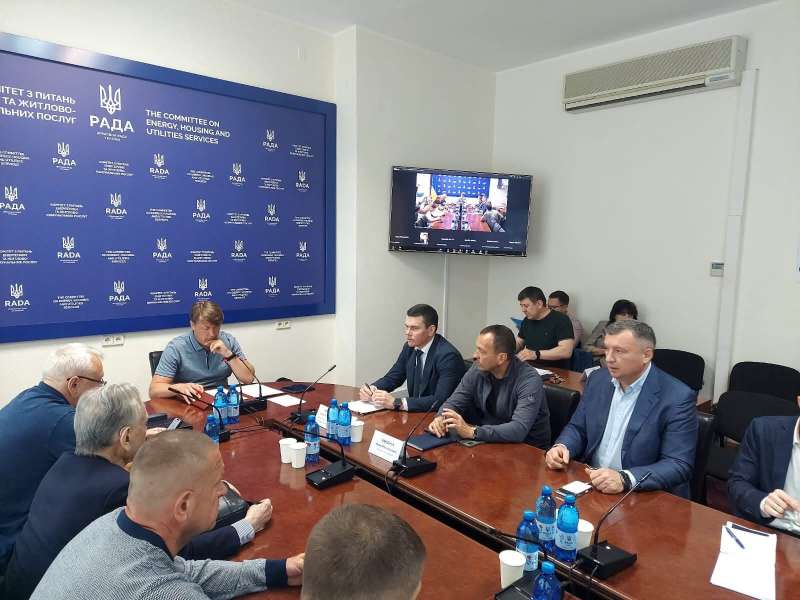
The issue of preparing Kyiv for the autumn-winter period of 2026/2027 and implementing the capital's Resilience Plan became the subject of discussion during the meeting of the Committee on Energy and Housing and Communal Services.
Participants emphasized that in the context of intensified Russian attacks on the capital, ensuring the stable operation of energy infrastructure and proper preparation for the upcoming heating season require special attention from government authorities. It was noted that to increase the city's energy resilience, it is necessary to consider existing risks, possible development scenarios, and measures already being implemented to prepare for the winter period.
Special attention was paid to the issue of compensating heat and communal energy enterprises for tariff differences. It was also stressed that blocking the accounts of such enterprises must be prevented, as this is important for their stable operation, timely preparation for the heating season, and implementation of measures provided by the Resilience Plan.
The discussion also addressed the issue of financing energy resilience measures from the state budget. It was noted that under martial law conditions, securing financial resources for modernization, protection, and restoration of critical infrastructure facilities, as well as for preparing the capital for a stable heating season, is critically important.
Representatives of the city authorities informed about measures already being taken to strengthen the resilience of the city's life-support systems. In particular, they spoke about preparing heat supply enterprises, conducting repair campaigns, forming reserves of materials and equipment, and coordinating the work of communal services considering potential threats to energy infrastructure.
It was also emphasized that the implementation of the Resilience Plan requires close cooperation between central government bodies, local self-government authorities, and energy enterprises. At the same time, timely financing was identified as one of the key factors for the capital's energy security and successful passage of the heating season.
During the discussion, members of parliament considered issues of protecting energy infrastructure under martial law conditions and the readiness of emergency and repair teams, functioning of backup heat supply systems, ensuring stable operation of heat and communal energy enterprises, water supply and sewage systems, development of distributed generation, coordination between central authorities, local self-government, and energy companies, as well as support for financing resilience plans, including through state budget funds.
The Committee emphasized that uninterrupted functioning of life-support systems and protection of critical infrastructure amid ongoing Russian aggression remain among the priority tasks and are under constant control.
Representatives of the Kyiv City State Administration and the Ministry of Communities and Territories Development of Ukraine participated in the discussion.
Subscribe to our Telegram channel t.me/sudua and to Google News SUD.UA, as well as to our VIBER and WhatsApp pages, on Facebook and Instagram to stay informed about the most important events.