Social Isolation and Document Issues: The Situation of Roma IDPs Discussed in Brussels


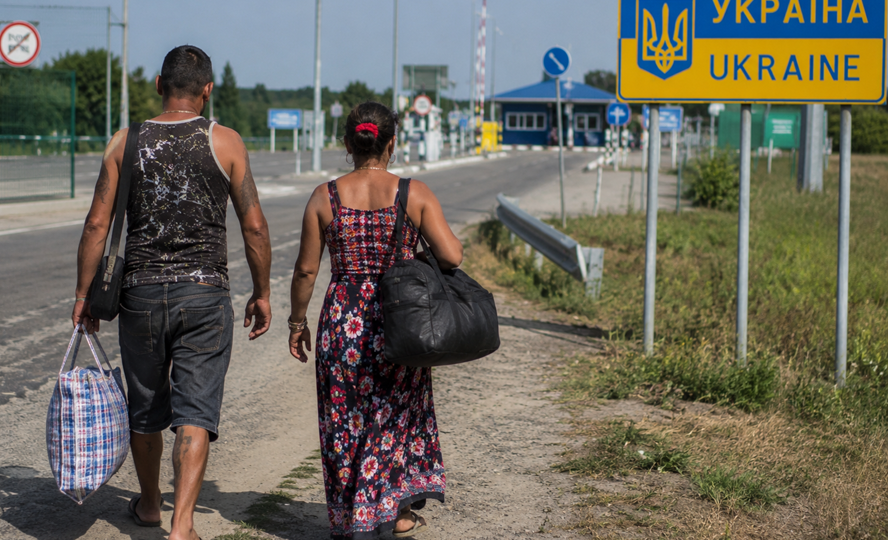










The issues of human rights protection, support for national minorities, and ensuring equal opportunities remain among the key areas of cooperation between Ukraine and the European Union. They have become especially relevant in the context of the war, which has created new challenges for millions of people, including internally displaced persons and members of vulnerable communities. These topics were central during the eleventh Human Rights Dialogue between Ukraine and the EU, held in Brussels.
The eleventh Human Rights Dialogue between Ukraine and the European Union took place in Brussels. The event was held in a hybrid format and served as another demonstration of open interaction and constructive cooperation between the Ukrainian and European sides.
During the meeting, participants reaffirmed their joint commitment to the principles of human rights protection and assurance. The parties also once again strongly condemned the ongoing aggressive war of the Russian Federation against Ukraine. Special emphasis was placed on numerous human rights violations and breaches of international humanitarian law recorded as a result of Russian aggression.
The co-chairs of the dialogue were the Head of the Ukraine Section of the European External Action Service, Baiba Tavares, and the Deputy Minister of Justice of Ukraine for European Integration, Lyudmyla Sugak. The Ukrainian delegation was also represented by the Deputy Head of the State Service of Ukraine for Ethnopolitics and Freedom of Conscience, Ihor Lossovsky.
In his speech, Ihor Lossovsky informed participants about the activities of the State Service for Ethnopolitics and Freedom of Conscience (SSEFC) in the field of protecting the rights of national minorities and combating discrimination. He paid significant attention to the situation of the Roma community, particularly Roma who, due to the full-scale war, were forced to leave their places of residence and acquired the status of internally displaced persons.
According to him, Roma among IDPs remain one of the most vulnerable population categories. They often face a combination of various vulnerability factors, including social isolation, limited opportunities for full participation in social life, as well as difficulties accessing administrative services and document processing procedures. The situation is further complicated by socio-economic disparities that existed even before the war and continue to affect Roma communities in different regions of the country.
In response to these challenges, the SSEFC focuses its activities on strengthening institutional and political mechanisms aimed at supporting Roma inclusion and preventing discrimination at the national, regional, and local levels.
The SSEFC noted that an important area of work is the creation and development of consultative mechanisms on Roma inclusion within authorities at various levels. Such tools are intended to improve interaction between state institutions and Roma communities, as well as to ensure proper consideration of the needs of the Roma population, including internally displaced persons, during the formation and implementation of local policies.
Additionally, the SSEFC supports initiatives aimed at enhancing the professional capacity of civil servants and other participants in the policy implementation process regarding national minorities. These measures aim to deepen knowledge about the principles of non-discrimination and improve the effectiveness of responding to the needs of Roma communities, especially those affected by forced displacement.
Subscribe to our Telegram channel t.me/sudua and to Google News SUD.UA, as well as to our VIBER and WhatsApp, Facebook page and Instagram to stay informed about the most important events.