Old dollars are not accepted — in which cases banks and exchange offices violate the law


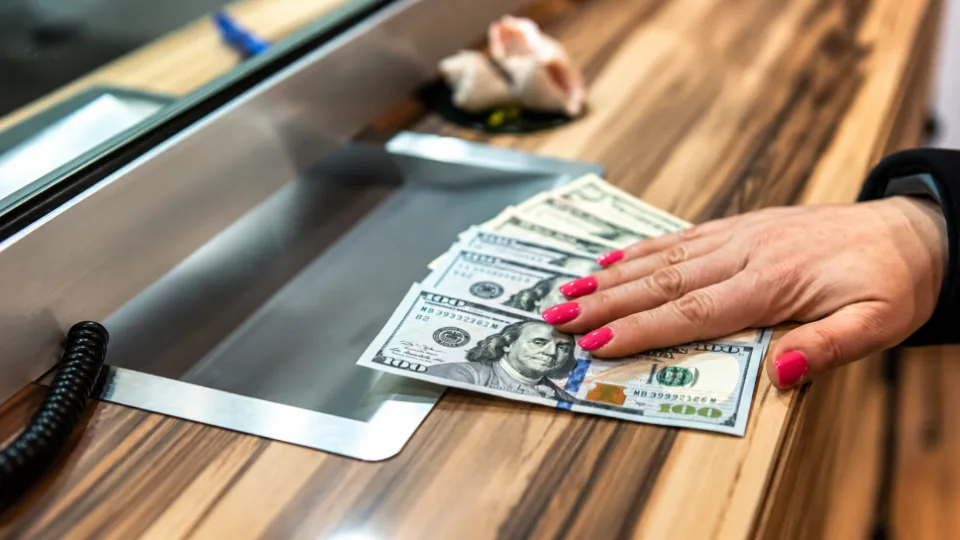










Owners of old-style dollars often worry whether they will be able to exchange their savings without problems. The reason is cases when some banks or exchange offices refused to accept banknotes of old series or offered a less favorable rate for them. At the same time, the National Bank of Ukraine clearly defined the rules for working with foreign currency. We explain which dollars remain valid, whether they can legally refuse an exchange, when this may be lawful, and what to do if your rights have been violated.
Which dollars are considered old and do they remain valid
In Ukraine, "old" usually refers to dollar banknotes issued before the appearance of new bills with a blue security ribbon. This primarily concerns banknotes issued between 1996 and 2013, often called "white" dollars.
It is the 1996 bills that most often cause doubts among owners and employees of some exchange offices. However, there is no reason to consider them invalid.
The United States Federal Reserve System confirms that all dollar banknotes issued after 1914 remain legal tender regardless of the year of issue. Such bills have no expiration date, are not withdrawn from circulation, and do not lose their value simply because they were printed many years ago.
Can banks and exchange offices refuse to accept old dollars
Ukrainian banks and exchange offices do not have the right to refuse to accept dollar banknotes solely because of their year of issue.
The National Bank of Ukraine has amended its regulatory documents prohibiting financial institutions from imposing any restrictions based on the year of issue of foreign currency.
If the banknote is genuine and fit for circulation, it must be accepted. This includes bills with minor wear, small stains, stamps, or other insignificant signs of use.
Violations of the NBU requirements include:
- setting a separate or reduced exchange rate for old-style banknotes;
- charging an additional commission due to the year of issue of the bill;
- refusal to exchange solely because the banknote is "old."
What to do if your old bills are not accepted
If a bank or exchange office refuses to accept old dollars, first ask the cashier to provide a written refusal or show an internal document allegedly prohibiting the acceptance of such banknotes. In practice, such a document does not exist.
After that, you can contact the branch management or the financial institution’s hotline. If possible, record the refusal on video showing the address and name of the institution.
If the issue cannot be resolved, you can file a complaint with the National Bank of Ukraine through the official website or by email.
For unlawful refusal to exchange or violation of currency operation rules, the financial institution may face enforcement measures. For non-bank exchange offices, this may even result in license revocation.
How to use old-style dollars
If there are difficulties with cash exchange, there are several legal ways to use such banknotes.
The first option is to deposit the currency. Banks accept genuine dollar banknotes to open or replenish a foreign currency deposit regardless of their year of issue.
The second way is to top up your own foreign currency card through the bank cashier. Afterwards, the funds can be used for cashless payments in Ukraine and abroad.
Another option is to use cash when traveling outside Ukraine. In the USA, all dollar banknotes remain legal tender regardless of the year of issue, and most banks in European Union countries also accept them without additional commissions.
How to deposit old dollars to a deposit or card
The procedure is practically no different from a regular cash deposit.
The client goes to a bank branch and informs about the intention to open a foreign currency deposit, replenish an existing deposit, or credit funds to a foreign currency account.
The cashier verifies the authenticity of the banknotes using special equipment and then credits the funds at a 1:1 ratio.
No commissions can be applied solely because of the age of the banknotes. NBU regulatory documents do not allow financial institutions to refuse acceptance of fit-for-circulation banknotes when replenishing non-cash accounts.
When dollars can only be accepted through collection (inkaso)
The decisive factor during exchange is not the year of issue but the physical condition of the banknote.
If the bill is severely damaged — burned, torn into pieces, or has a significant number of inscriptions or other defects — the bank may offer an inkaso procedure.
In this case, the banknote is sent to the issuing bank in the USA for authenticity confirmation and further replacement.
Depending on the specific bank’s conditions, the commission for this service may range from 10% to 30% of the nominal value, and the procedure may take up to one year.
Are old dollars accepted abroad
In the USA, there are no problems using old-style dollars — they can be used just like new banknotes.
Most banks in European Union countries also accept such bills without any additional requirements.
At the same time, in some tourist countries, private exchange offices, hotels, or retail establishments may refuse to accept old banknotes or require bills of a new design. Such cases occur, in particular, in Turkey, Egypt, UAE, Tanzania, and Sri Lanka.
These requirements are internal policies of certain private companies, not rules of the United States Federal Reserve System. Therefore, before traveling to such countries, it is advisable to exchange part of your funds for new-design banknotes in advance.
Frequently Asked Questions
Can you ask the bank to issue only "blue" dollars?
No. The client cannot choose the year of issue, design, or color of banknotes. The bank issues the bills available in the cash register at the time of the transaction.
Is it legal to set a lower rate for 1996 dollars?
No. If the banknotes are genuine and in circulation, the buying and selling rate must be the same regardless of the year of issue. Setting a separate rate for "old" dollars contradicts the requirements of the National Bank of Ukraine.
Why are old dollars checked differently by currency detectors?
The security features of dollar banknotes have changed over the years. Old bills have different ultraviolet, infrared, and magnetic security elements, so they may look different during verification. This does not mean the banknote is counterfeit or invalid.
Are old dollars accepted in Turkey, Egypt, or EU countries?
Most banks in EU countries have no problems with such banknotes. However, some private exchange offices, hotels, or shops in Turkey, Egypt, UAE, Tanzania, and Sri Lanka may require new-design bills.
What documents are needed to exchange a large amount of currency?
If the transaction amount equals or exceeds the equivalent of 400,000 UAH, it is subject to mandatory financial monitoring. In this case, you need to provide a passport, taxpayer identification number (RНОКПП), and documents confirming the source of funds. These may include income certificates, property sale contracts, inheritance documents, sole proprietor declarations, or other supporting documents.
Subscribe to our Telegram channel t.me/sudua and to Google News SUD.UA, as well as to our VIBER and WhatsApp, pages on Facebook and Instagram to stay informed about the most important events.