Iceland Became the Most Expensive Country in the World, Surpassing Switzerland for the First Time in Many Years


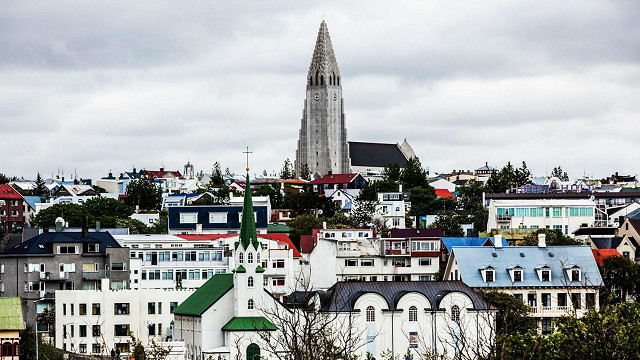










Iceland has once again taken first place among the most expensive countries in the world, surpassing Switzerland for the first time in a long while. Bloomberg reports this.
The Icelandic union Viska, using data from Eurostat and the Central Bank of Iceland, calculated that the current price level in the country exceeds that of Switzerland by approximately three percentage points.
According to Eurostat, the last time Iceland surpassed Switzerland in price level was in 2018. Meanwhile, the 2024 statistics, which are the most recent available, showed the opposite situation: at that time, the purchasing power adjusted price level in Switzerland was more than seven percentage points higher than in Iceland.
Economists explain the current price increase in the small Atlantic country by several factors. In particular, tourism, one of the main drivers of the economy, sharply increased after the pandemic. This caused a recovery in economic activity and further price growth, which the central bank is trying to contain.
Union economist Viljalmur Hilmarsson notes that tourism significantly affects inflation in the service sector, as it increases demand and puts pressure on the labor and housing markets. According to him, the growth in tourist flow has led to wage increases as well as intensified competition for housing, especially due to short-term rentals.
“Tourism largely contributes to inflation in the service sector. Demand pressure from tourism has caused wage growth. Another important component is housing, which tourism directly affects. Tourists, for example through AirBnB, compete with locals for housing,” he said.
A separate survey by the National Tourism Council showed that rising costs are already beginning to affect visitor numbers and partially deter tourists.
The economist also emphasizes that in the long term, Iceland’s economic structure remains vulnerable due to dependence on labor-intensive industries.
“In the long term, Iceland does not create productive sectors. We are too dependent on labor-intensive industries, which will continuously create inflationary pressure. We need to promote the development of more foundational elements,” Hilmarsson added.
Subscribe to our Telegram channel t.me/sudua and to Google News SUD.UA, as well as to our VIBER and WhatsApp pages, and follow us on Facebook and Instagram to stay informed about the most important events.