Hawaii Supreme Court Decides Whether Refusal to Take a Sobriety Test Can Be Evidence of Driver's Guilt


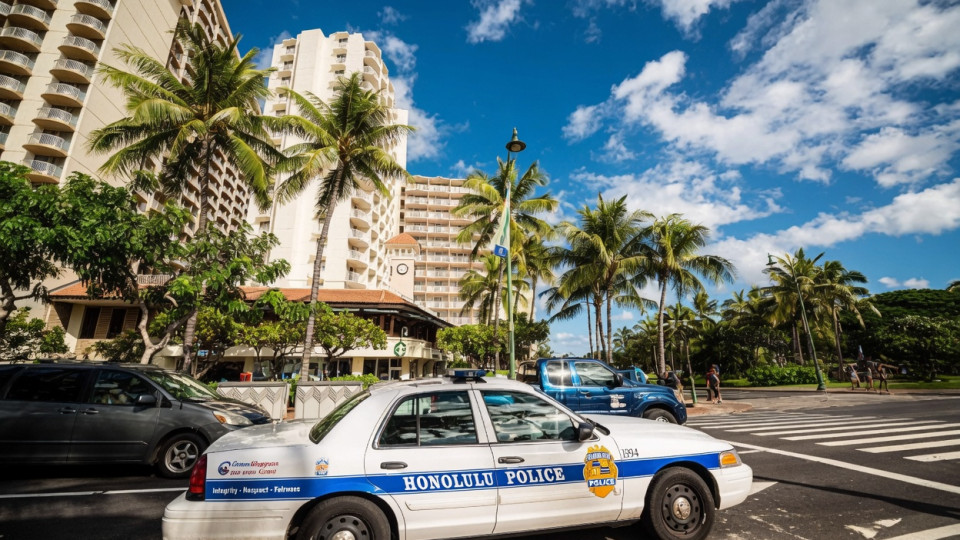










The Hawaii Supreme Court reviewed the case of local resident Yuki Glisson, who challenges the practice of using refusal to take a sobriety test as evidence in cases of driving under the influence.
The story began after a police officer stopped Glisson for dangerous maneuvering on the road. The officer offered her to take a sobriety test at the stop, but the woman refused. Despite this, she was detained and taken to the police station, where a breathalyzer showed 0.140 blood alcohol content, significantly exceeding the legal limit. Following this, her driver's license was suspended for one year.
The dispute was not about the breathalyzer result, but specifically the refusal to take the test at the stop.
In Hawaii, such refusal can be considered a sign of so-called "consciousness of guilt." This approach is based on a legal precedent in the state since 2000. According to it, a person who refuses to take a sobriety test can effectively create additional evidence against themselves.
The tests involve a series of coordination exercises that American police use for initial assessment of possible alcohol or drug impairment of a driver. For example, a person may be asked to walk in a straight line, stand on one leg, or follow a moving object with their eyes.
The plaintiff's side insists that refusal to take such a test does not necessarily indicate intoxication, as a person may refuse due to fatigue, nervousness, health problems, language barriers, or other reasons.
At the same time, state representatives believe that refusal can be considered when evaluating evidence, as sobriety tests do not violate citizens' constitutional rights and are one of the means to establish the circumstances of the offense.
The case also raised the question of whether there is a sufficient logical connection between refusal to take the test and the conclusion that the driver was aware of their intoxication. Special attention was paid to the fact that such coordination exercises may be less reliable for elderly people and individuals with certain physical limitations.
After the hearings, the Hawaii Supreme Court took the case under consideration and has not yet announced a decision.
The verdict is expected to influence future practices in handling cases of driving under the influence and determine whether refusal to take a sobriety test will remain one of the pieces of evidence of a driver's guilt.
Subscribe to our Telegram channel t.me/sudua and to Google News SUD.UA, as well as to our VIBER and WhatsApp, our page on Facebook and on Instagram to stay updated on the most important events.