Medics explained how stress affects the cardiovascular system


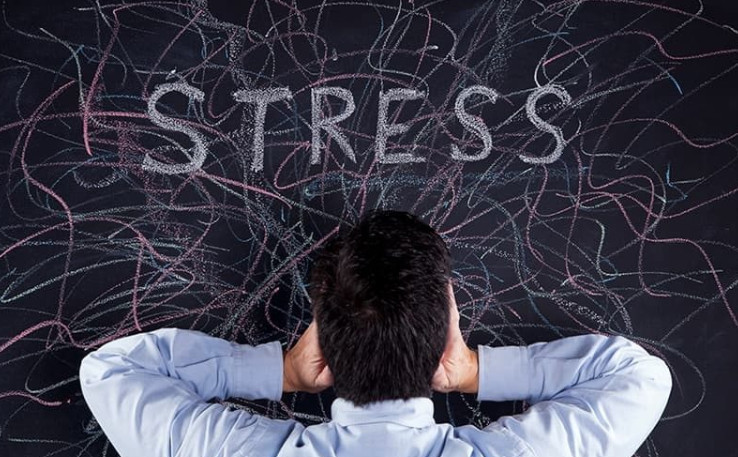










The Ternopil Regional Center for Disease Control and Prevention explained how stress affects the cardiovascular system.
Medics emphasized that during stress, the body understands it needs energy, which triggers a hormonal response. Cortisol, prolactin, bioactive substances, neurotransmitters, adrenaline, noradrenaline are activated, all of which massively mobilize all resources so the body can figure out what to do next.
The manifestations of stress should not be characterized simply as black and white. It is important how prepared a person and their body are for stressful events. There are concepts of good — eustress and bad — distress.
“Short-term stress is even beneficial to the body as it trains the body and helps cope with various negative emotions. It is a surge of strength — a person can do things they wouldn’t think of in a calm state. Stress allows focus and mobilization of forces. However, chronic stress is mostly harmful to the body. It can affect one organ system or several at once: immune, digestive, or cardiovascular system disorders, etc.,” medics say.
What changes occur in the cardiovascular system?
The consequences of stress are not the same for everyone; personal characteristics, heredity, environment, and certain circumstances should be taken into account. Today, we definitely know that stress is among the causes of cardiovascular diseases.
What are the prerequisites for this?
- Changes in pressure and rhythm. During stress, there is definitely an increase in heart contractions, which a person may feel. Frequent worries lead to increased blood pressure. Arteries become less elastic, and their function is impaired. If they are affected by plaques, which is common, then during vascular spasms the heart experiences a severe lack of oxygen. Those who are used to constant nervousness or live in such conditions have a significantly higher development of arrhythmia.
- Condition of blood vessels. Chronic stress creates cytokines — inflammatory substances that act on heart cells and can destroy heart tissue. The mechanisms of heart damage are similar to ischemic myocardial injury but can also affect vascular health. Constant nervous system overexcitation, unnoticed by us, gradually accumulates due to stress and causes persistent narrowing of all microvessels. Immune cells also react, increasing vascular spasms, which can cause arterial hypertension.
- Calcium accumulation. Heart muscle cells accumulate calcium from the first minutes of the stress reaction. The body may respond by strengthening muscle fiber contractions, protein synthesis, and accordingly — renewal and growth of cellular structures. However, excessive calcium accumulation can cause cell death. In the heart, calcium excess causes a cardiotoxic effect.
- Stress eating. It is also important to consider the common reaction to stress in the form of stress eating. This can lead to obesity and diabetes, as well as increased levels of "bad" cholesterol. Like in mathematics: minus times minus equals plus — adding to the causes of cardiovascular diseases.
- Heredity. In people with a burdened heredity, stress can be a trigger that initiates cardiovascular diseases, even if no symptoms were previously observed.
“It can be stated that the stress reaction is a factor that largely determines the occurrence, development, and prognosis of ischemic heart disease, dyslipidemia, heart failure, and rhythm disorders.
There is an important “but” regarding this — we cannot completely get rid of stress, and it is not necessary. We must remember that there are many different feelings that need to be experienced. For every bad news, there is good news.
We can control our condition. Regular check-ups with a cardiologist allow monitoring the development of problems and counteracting them early. The earlier you start, the more advantages are on the patient's side,” medics added.
Subscribe to our Telegram channel t.me/sudua and to Google News SUD.UA, as well as to our VIBER and WhatsApp, our pages on Facebook and Instagram to stay informed about the most important events.