Why You Shouldn't Swim in Rivers, Lakes, and the Sea After Rain: Infections You Can Catch


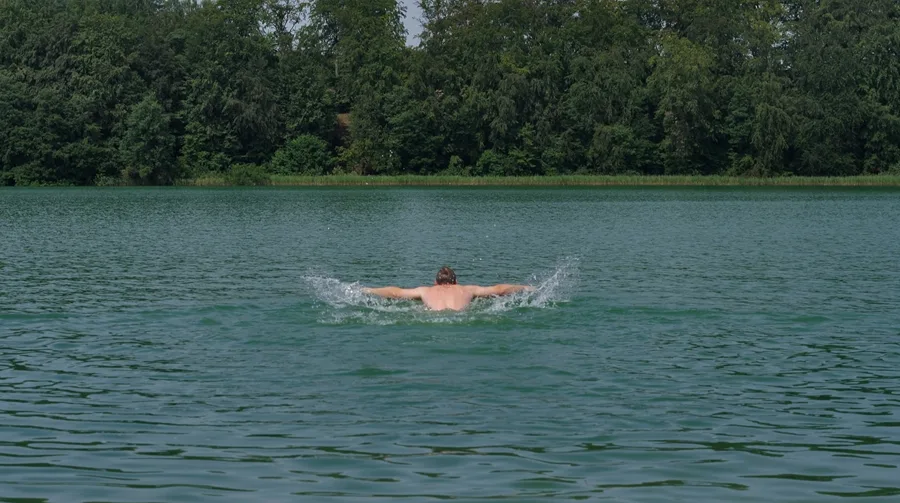










After a heavy downpour, water in rivers, lakes, and even the sea may appear clean; however, the health risk significantly increases during this period.
According to WHO data, heavy rainfall can lead to untreated sewage, surface runoff from urban areas, and agricultural lands entering water bodies. This temporarily elevates the level of microbiological contamination, increasing the risk of intestinal infections for swimmers.
What infections can you contract?
Contact with contaminated water most often leads to:
-
Acute intestinal infections (diarrhoea, vomiting, abdominal pain)
-
Ear inflammation (otitis externa)
-
Conjunctivitis
-
Skin irritation or infection
-
A higher risk of bacterial infections for individuals with open wounds
Children, the elderly, pregnant women, and individuals with weakened immune systems are the most vulnerable.
Why does the danger arise specifically after rain?
During intense rainfall:
-
Stormwater and sewage systems become overloaded.
-
Faecal bacteria, including Escherichia coli and enterococci—which are international indicators of faecal contamination—enter water bodies.
-
Organic waste and fertilisers are washed off agricultural lands.
-
The amount of nutrients in the water increases, which can promote cyanobacterial blooms capable of producing toxins.
Even if the water appears clear, dangerous microorganisms cannot be seen with the naked eye.
When is it safer to swim?
Experts recommend avoiding swimming for 24–72 hours after a heavy downpour, especially in small lakes, rivers, or on beaches near cities and stormwater discharge sites. This period is often needed to reduce short-term microbiological contamination.
In Ukraine, new hygiene standards also define "short-term contamination," which should not affect water quality for more than 72 hours after pollutants enter.
How to reduce the risk:
-
Do not swim immediately after a heavy downpour.
-
Do not swallow water while swimming.
-
If you have cuts or scratches, it is advisable to avoid swimming.
-
Take a shower with clean water after swimming.
-
Choose official beaches where water quality is regularly monitored.
After rain, the danger stems not from the water itself but from what it carries. Waiting a few days can significantly reduce the risk of intestinal infections, as well as eye, ear, and skin inflammations. If diarrhoea, vomiting, a high fever, or severe redness of the eyes or skin appear after swimming, you should consult a doctor.
Subscribe to our Telegram channel t.me/sudua, follow SUD.UA on Google News , and join us on VIBER, WhatsApp, Facebook and on Instagram to stay informed about the important events.