The sidewalk belongs to public places: the Supreme Court's position in a hooliganism case


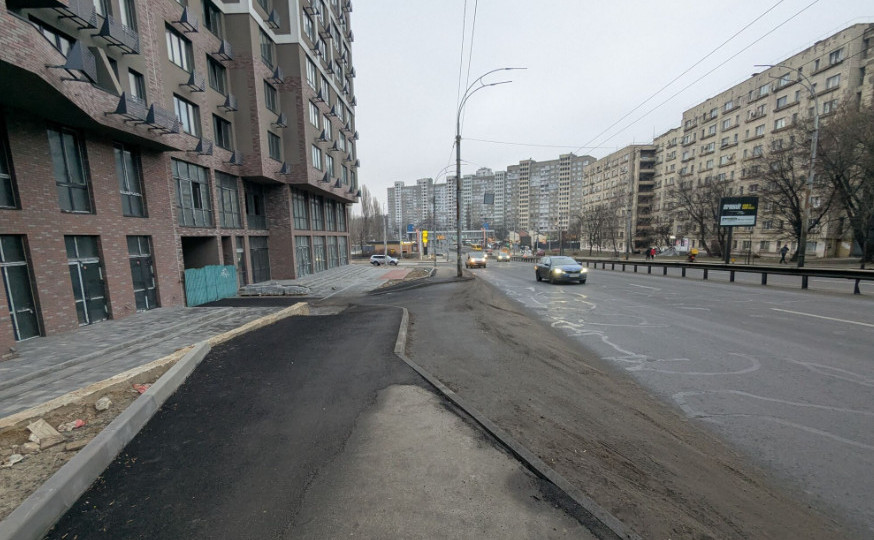










The sidewalk is part of the street-road network, open to an unlimited number of people, that is, a public place within the meaning of Article 296 of the Criminal Code. Committing hooligan actions on a sidewalk adjacent to a park area, motivated by clear disrespect for society, accompanied by particular insolence and physical violence against the victims, is subject to qualification under Article 296 of the Criminal Code.
Circumstances of the case
According to the court's verdict, three defendants were found guilty of being in a city park, using obscene language towards the victims, and subsequently striking them with their hands in various parts of the body, causing minor bodily injuries to the victims.
Positions of the courts of first and appellate instances
The courts of previous instances found the defendants guilty and sentenced them under Part 2 of Article 296 of the Criminal Code.
In the cassation appeal, the defense argued that the court of first instance, with which the appellate court agreed, incorrectly qualified the defendants' actions under Part 2 of Article 296 of the Criminal Code, since the sidewalk is not a public place.
Position of the Criminal Cassation Court (CCC)
The decisions of the courts of previous instances were left unchanged.
The panel of judges of the CCC indicated that the sidewalk is an element of the road intended for pedestrian movement, adjoining the carriageway or separated from it by a lawn.
During the appellate review, the appellate court examined the defense's claim that the sidewalk is not a public place and rightly, in the opinion of the CCC panel, rejected it, considering that the sidewalk, as the place where the criminal offense was committed, borders and adjoins both the park area and the carriageway.
Furthermore, the CCC panel notes that the sidewalk is part of the street-road network, which is open to an unlimited number of people and intended for pedestrian movement, that is, it is a public place.
Therefore, the arguments of the cassation appeal regarding the incorrect qualification of the defendants' actions under Part 2 of Article 296 of the Criminal Code are unfounded.
The resolution of the panel of judges of the First Judicial Chamber of the CCC of the Supreme Court dated 10.03.2026 in case No. 706/1201/18 (proceeding No. 51-3088km25) can be found at this link.
Subscribe to our Telegram channel t.me/sudua and to Google News SUD.UA, as well as to our VIBER and WhatsApp, Facebook page and Instagram account to stay informed about the most important events.