The tenant can include compensation for electricity in the VAT tax credit — CAS of the Supreme Court


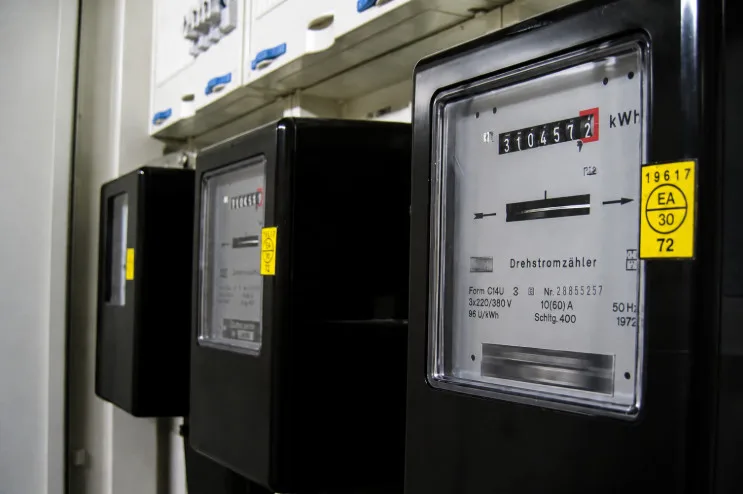










A tenant who reimburses the landlord for the cost of consumed electricity according to the terms of the lease agreement and based on meter readings has the right to form a VAT tax credit if properly executed primary documents confirming the reality of the business transaction are available. This conclusion was made by the Supreme Court in the composition of the panel of judges of the Administrative Cassation Court.
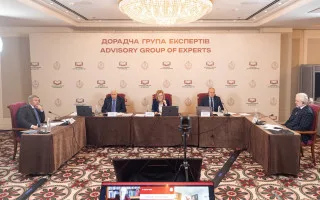
On June 11, 2026, the CAS of the Supreme Court considered the cassation appeal of a Limited Liability Company against the decision of the Fifth Administrative Court of Appeal dated February 12, 2025, in case No. 420/15749/24 concerning the claim of the Limited Liability Company against the Main Department of the State Tax Service in the Odessa region regarding the recognition as unlawful and cancellation of tax notices-decisions.
FACTS OF THE CASE
Following a documentary unscheduled on-site inspection, the controlling authority concluded that the taxpayer unjustifiably formed a VAT credit for operations reimbursing the cost of electricity consumed in leased premises. The tax authority considered that the documents provided by the taxpayer did not properly confirm the procedure for determining the volumes of consumed electricity and its use in business activities, because the formula for calculating consumed electricity, defined by an additional agreement to the lease contract, is not established by any regulatory legal act and therefore cannot be a proper basis for forming a tax credit. Based on the inspection report, a tax notice-decision was issued to reduce the negative VAT value, which the taxpayer challenged in court.
The Odessa District Administrative Court partially satisfied the claim by its decision dated September 23, 2024, canceling the tax notice-decision regarding the reduction of the negative VAT value for the disputed amount. The court of first instance noted that the tenant is neither the primary consumer nor a sub-consumer of electricity, as it consumes it through the landlord’s electrical installations. The relations regarding compensation for the cost of electricity are regulated by the lease agreement, which did not provide for the tenant to conclude a direct contract with the electricity supplier. Under such conditions, to confirm the right to a tax credit, invoices, service acceptance certificates, and other primary documents submitted by the taxpayer are sufficient. The absence of separate calculations of active and reactive energy does not affect the reality of business transactions.
The Fifth Administrative Court of Appeal overturned the decision of the court of first instance and fully dismissed the claim. The appellate court agreed with the tax authority’s conclusions that the formula used to calculate electricity consumption is not fixed in legislation and is not approved by any regulatory act. According to the court, in the absence of proper regulatory justification for such calculation, the taxpayer did not documentarily prove the actual volume of consumed electricity and the legality of forming the tax credit.
The Supreme Court satisfied the cassation appeal, canceled the contested court decision, and left the decision of the court of first instance in force.
COURT’S ASSESSMENT
For tax accounting purposes, the determining factor is the reality of the business transaction, i.e., the actual performance of actions that cause changes in the taxpayer’s property status. The basis for accounting and tax accounting is primary documents confirming the actual conduct of business transactions.
In legal relations regarding reimbursement of electricity costs within the lease agreement, the procedure for determining consumption volumes and calculations is established by the terms of such agreement. If the tenant is not authorized to conclude direct contracts with the electricity supplier, the calculation of consumed electricity is carried out by the landlord as the owner of the relevant electrical installations, and the cost of such electricity may be reimbursed separately from the rent.
The mere absence of a regulatory approved formula for calculating consumed electricity does not prove the unreality of the business transaction and is not sufficient grounds for denying the tax credit. If properly executed meter reading acts, invoices, service acceptance certificates, and registered tax invoices are available, the taxpayer confirms the actual receipt of services and incurrence of corresponding expenses.
In disputes regarding the legality of forming a tax credit, it is the controlling authority that is obliged to prove the unreliability of primary documents or the absence of the real nature of business transactions. Formal remarks regarding the method of calculating the cost of electricity without proper evidence of the unreality of transactions cannot be grounds for depriving the taxpayer of the right to a tax credit.
More details and the text of the Supreme Court ruling dated June 11, 2026, in case No. 420/15749/24 can be found at the link.
Subscribe to our Telegram channel t.me/sudua and to Google News SUD.UA, as well as to our VIBER and WhatsApp, pages on Facebook and Instagram to stay informed about the most important events.