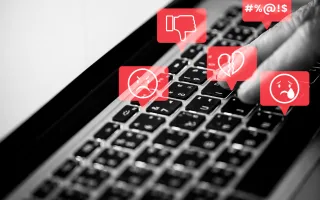
About a third of remote workers face cyberbullying













Mobbing, or systematic psychological bullying of employees in the workplace, most often occurs in sectors with strict hierarchies and high stress levels.
The State Labor Service emphasizes that mobbing most frequently arises in teams where an authoritarian management style prevails, there is a lack of clear communication and division of responsibilities, high competition for resources or positions exists, and management does not respond to minor conflicts, allowing them to escalate into systematic bullying.
According to the agency, mobbing is most common in the education and healthcare sectors, where employees work under significant emotional strain and traditionally hierarchical management structures.
The service and retail sectors are also at risk. The fast pace of work and constant interaction with clients and colleagues often become grounds for conflicts.
The State Labor Service notes that cases of mobbing are also frequently recorded in the public sector. Institutions with bureaucratic structures more often become places where psychological pressure from management is manifested.
Special attention is drawn to cybermobbing during remote work. About 32% of employees working remotely face bullying through digital communication channels — messengers, email, or video conferences.
It should be noted that mobbing in the workplace is not just a conflict between employees or a tense atmosphere at work. It involves systematic psychological humiliation, pressure, bullying, or the creation of unbearable working conditions that can affect not only a person's professional activity but also their mental and physical health.
If an employee becomes a victim of mobbing, it is recommended to act consistently and primarily start by collecting evidence.
Subscribe to our Telegram channel t.me/sudua and to Google News SUD.UA, as well as to our VIBER and WhatsApp, Facebook page and Instagram to stay informed about the most important events.