Citizens Abroad Find It Difficult to Pass Military Medical Commission and Obtain Disability: Problems Identified by Lawyers and the Ministry of Health


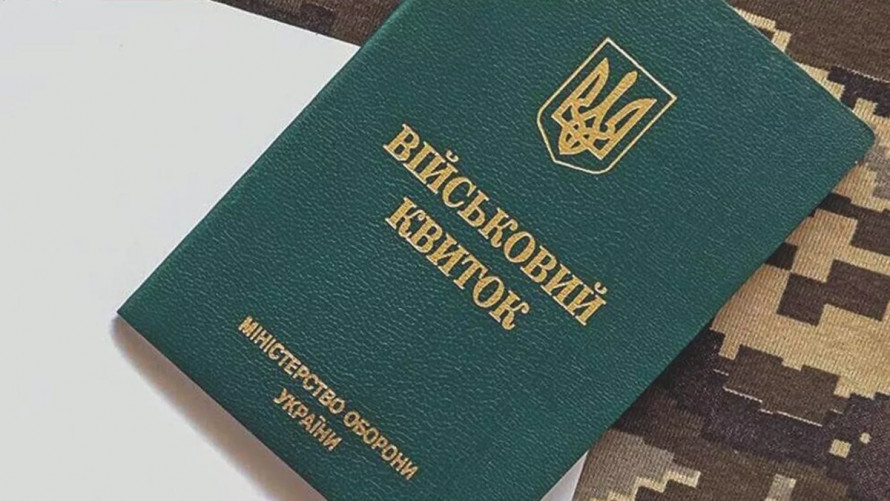










Ukrainians abroad face difficulties during Military Medical Commission procedures and functional assessment.
Although Ukrainian legislation allows certain categories of citizens abroad to undergo military-medical and medico-social procedures remotely, in practice people often encounter a number of bureaucratic and organizational obstacles.
As noted, the procedure for assessing a person's everyday functioning, approved by the Cabinet of Ministers resolution dated 15.11.2024 No. 1338, provides for assessment for citizens abroad. However, difficulties arise with patients who do not have declarations with doctors or doctors who manage their care in Ukraine. A separate problem is the relevance of medical information, since some citizens have been abroad for years, while expert teams need up-to-date health data to make decisions.
The Ministry of Defense indicated that remote MMC for servicemen receiving treatment abroad is provided for by the Cabinet of Ministers resolution dated 10.09.2025 No. 1125 on the implementation of an experimental project. At the same time, changes to the Regulation on Military Medical Expertise in the Armed Forces of Ukraine (Ministry of Defense order dated 14.08.2008 No. 402) regarding the procedure for conducting remote MMC to determine fitness are still under approval.
At the same time, the Ministry of Defense noted that practical difficulties have already been identified during remote expertise. Some servicemen do not know how to act or physically cannot collect documents themselves. This concerns, in particular, bedridden patients or unconscious persons. Therefore, servicemen receiving treatment abroad require assistance.
Regarding passing Assessment of Daily Functioning abroad, the National Bar Association of Ukraine pointed out that the assessment of a person's everyday functioning concerns not only the diagnosis but primarily the degree of functional impairment. Legislation provides for a remote form of assessment based on documents and a telemedicine form when the expert team considers the documents insufficient and additional communication with the person is needed.
The biggest practical problem turned out to be the formation of the referral. The procedure for assessing a person's everyday functioning provides that the referral can be formed by a family doctor, a specialist doctor, the head of the MMC, or the head of the medical or medical expert commission. But in practice, difficulties arise if the person does not have a declaration with a doctor, has not contacted the Ukrainian healthcare system for a long time, or is abroad and cannot undergo an in-person examination.
Thus, the doctor effectively bears professional responsibility for the sufficiency of the submitted documents but may not see the patient personally and may not have a clear algorithm for assessing documents issued by foreign medical institutions. Because of this, patients may be asked to appear in Ukraine personally or be informed about insufficient documents. At the same time, such refusals are not always formalized in writing.
There is also a separate problem with translations and verification of foreign medical documents. In EU countries, a significant part of medical documentation is generated through electronic health systems. Such documents may lack a wet stamp, handwritten signature, or international disease classification codes, although they may be official in the patient's country of residence.
This raises questions about what exactly should be submitted to Ukrainian authorities, how to verify the authenticity of electronic documents, and who should assess the quality of medical terminology translation. Translating large packages of medical documents can be expensive, and errors in medical terms create additional difficulties for doctors and expert teams.
The Consular Service Department of the Ministry of Foreign Affairs explained that certification of translation, apostille, and legalization of documents are different procedures. They also noted that specific cases of problems with consular actions or translation certification can be addressed separately upon receipt of relevant requests and documents.
Among possible solutions, lawyers see the creation of responsible coordinators for citizens abroad, a special procedure for servicemen undergoing treatment or rehabilitation, as well as setting deadlines for forming referrals or providing motivated responses about refusal or the need to correct deficiencies.
They are also considering the possibility of specializing certain expert teams or responsible officials to work with documents from abroad, as well as involving professional translators for medical documentation. This could reduce the number of document returns for revision and simplify the procedure.
Subscribe to our Telegram channel t.me/sudua and to Google News SUD.UA, as well as to our VIBER and WhatsApp, Facebook page and Instagram to stay informed about the most important events.