Errors in Court Decisions: How and When a Court Can Correct Typos and Arithmetic Inaccuracies


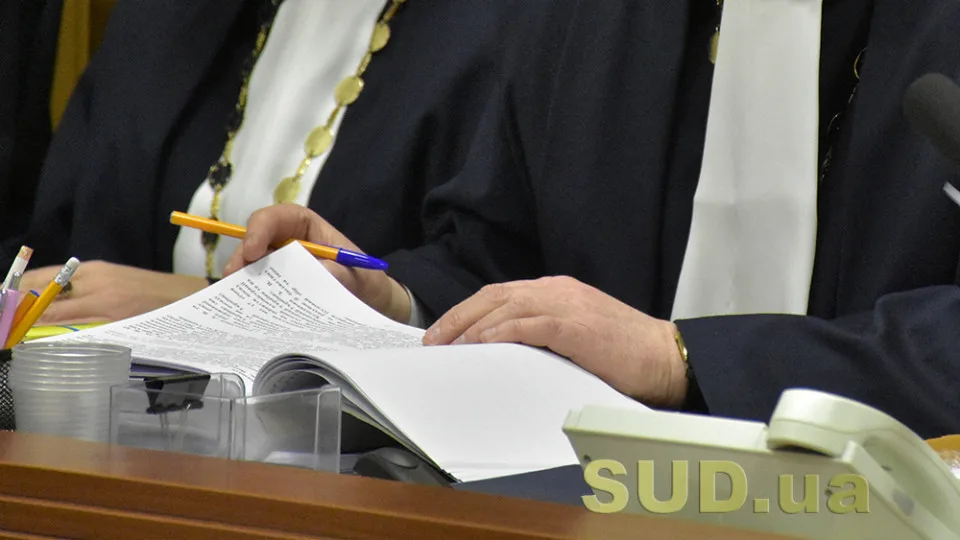










The accurate drafting of a court act is crucial not only for a proper understanding of its content but also for the subsequent implementation of the decision. However, technical errors such as incorrect dates, surnames, addresses, details, or arithmetic inaccuracies can occur within the text. The law permits the rectification of such errors through a separate procedural order, provided the essence of the court’s decision remains unchanged.
Civil Procedure
In civil proceedings, Article 269 of the Civil Procedure Code of Ukraine governs this matter. The court may correct typographical or arithmetic errors either on its own initiative or at the request of the parties. The resolution of corrections does not require notifying the parties, and a ruling is issued accordingly.
Should the court initiate the correction, the matter may be considered in a court hearing with the parties present; however, their absence does not impede the consideration. Applications for corrections are reviewed within ten days of receipt.
Commercial Procedure
Similar rules are outlined in Article 243 of the Commercial Procedure Code of Ukraine for commercial proceedings. The court is also empowered to correct typographical and arithmetic errors on its own initiative or at the request of the parties. The issue is resolved without notifying the parties, and if initiated by the court, it proceeds in a court hearing with the parties' participation, though their absence does not hinder the consideration. As in civil proceedings, the application is reviewed within ten days, and the ruling on corrections is dispatched to all individuals to whom the relevant court decision was issued or sent.
Administrative Procedure
In administrative proceedings, Article 253 of the Code of Administrative Procedure of Ukraine defines the correction procedure. A distinguishing feature is that the court that issued the decision may correct typographical errors and obvious arithmetic mistakes, either on its own initiative or at the request of a party or other interested person, irrespective of whether the court decision has entered into legal force. This provision is explicitly established in the Code of Administrative Procedure of Ukraine.
Criminal Procedure
For criminal proceedings, Article 379 of the Criminal Procedure Code of Ukraine regulates this issue. The court has the right to correct typographical errors and obvious arithmetic mistakes in its decision, both on its own initiative and at the request of a participant in the criminal proceedings or another interested person, again regardless of whether the decision has entered into legal force. However, unlike civil and commercial procedures, the issue of making corrections in criminal proceedings is resolved in a court hearing. Participants in the proceedings are notified of the date, time, and place of the hearing, but their absence, if properly notified, does not prevent the resolution of the issue.
The Kherson Court of Appeal has clarified that a common characteristic of the correction procedure is the absence of a substantive review of the case. This mechanism is solely intended to eliminate technical errors and does not permit altering the court’s legal position or the content of the adopted decision. This ensures the accuracy and proper execution of the court act.
Subscribe to our Telegram channel t.me/sudua, follow SUD.UA on Google News , and join us on VIBER, WhatsApp, Facebook and on Instagram to stay informed about the important events.