Fraudsters send dangerous letters on behalf of the State Executive Service: how to protect your data


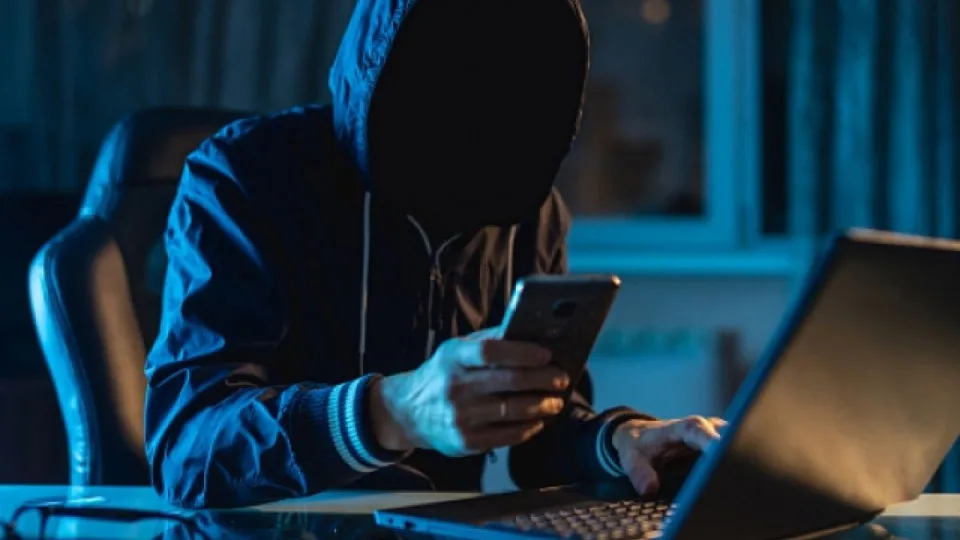










Fraudsters have begun actively sending phishing emails allegedly from the State Executive Service of Ukraine. The attackers try to make citizens open malicious files, visit fake websites, or provide personal data.
As warned by the Ministry of Justice of Ukraine, the purpose of such messages is to gain access to users' confidential information or to force them to perform dangerous actions under the pretext of supposedly opening enforcement proceedings.
The Ministry of Justice emphasized that official notifications from the State Executive Service have clear sending rules.
Documents about the opening of enforcement proceedings are sent only to the participants of the proceedings — the claimant and the debtor. The order to open proceedings for the debtor is sent by registered mail to the address specified in the enforcement document.
Such documents must be sent no later than the next working day after the issuance of the order.
At the same time, in cases defined by law, notifications may be received through the electronic cabinet in the Unified Judicial Information and Telecommunication System or by email.
To avoid becoming a victim of a fraudulent scheme, citizens are advised to:
- check the sender’s email address;
- pay attention to the domain — official addresses of Ukrainian government bodies use the gov.ua domain;
- not open suspicious attachments or follow unknown links;
- not comply with demands in letters that urgently require providing data or threaten negative consequences.
If there are doubts about the authenticity of the message, the information can be verified through the Unified Debtors Register or the Automated Enforcement Proceedings System (AEPS).
As previously reported by the "Judicial and Legal Newspaper", Ukrainian banks note that recently fraudsters have started a new wave of phishing emails. Clients receive electronic messages disguised as official letters from banks or government institutions. These may contain malicious files or suspicious links.
Fraudsters try to install virus programs on computers to gain access to documents or accounts.
Subscribe to our Telegram channel t.me/sudua and to Google News SUD.UA, as well as to our VIBER and WhatsApp, our page on Facebook and on Instagram to stay informed about the most important events.