Ukrainians were proposed to be recognized as the titular indigenous people in the law, but the changes were not supported


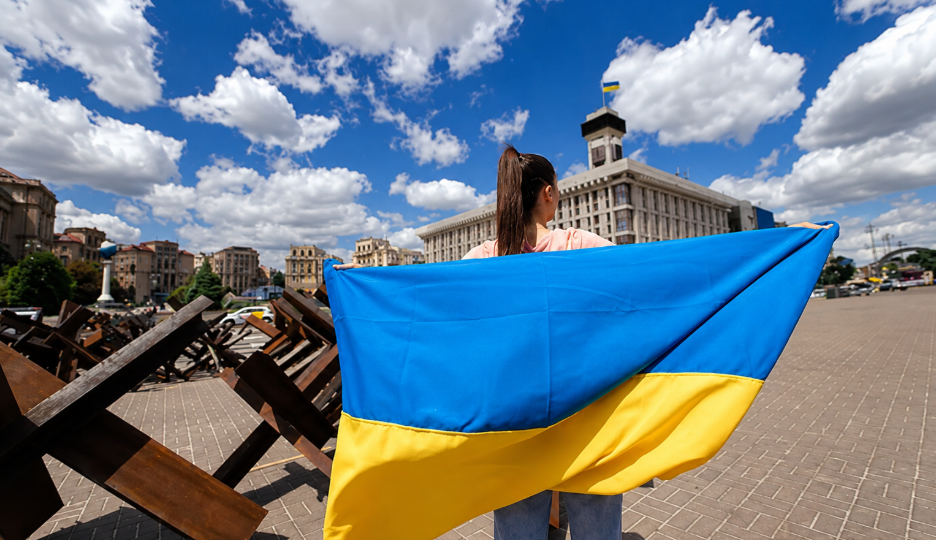










The status of Ukrainians as the titular indigenous people, a new approach to the right to self-determination, and separate support mechanisms for the indigenous peoples of Crimea — such changes were proposed to be enshrined in the Law "On Indigenous Peoples of Ukraine."
The initiative envisaged a revision of the current concept of the law, which currently regulates the rights of Crimean Tatars, Karaites, and Krymchaks, and the introduction of a new category — the titular indigenous people. At the same time, the document raised a number of issues regarding the correlation of the new status with current legislation and the Constitution of Ukraine. The relevant committee of the Verkhovna Rada, after reviewing the draft law, recommended the parliament to reject it in the first reading.
What changes were proposed in the law on indigenous peoples
The Verkhovna Rada Committee on Human Rights, De-occupation and Reintegration of Temporarily Occupied Territories of Ukraine, National Minorities and Interethnic Relations at its meeting on June 15, 2026, considered a number of draft laws and made corresponding decisions.
In particular, the committee recommended the Verkhovna Rada to include in the agenda of the fifteenth session of the ninth convocation the draft Law No. 15103 "On Amendments to the Law of Ukraine 'On Indigenous Peoples of Ukraine' regarding the legalization of the status of Ukrainians as the titular indigenous people of Ukraine," and based on the results of the first reading, to reject it.
Ukrainians were proposed to be recognized as the titular indigenous people
The purpose of the draft law was to legislatively enshrine the status of Ukrainians as an indigenous people (indigenous nation) in Ukraine.
The current version of the Law of Ukraine "On Indigenous Peoples of Ukraine" is effectively built around regulating the rights of smaller autochthonous communities — Crimean Tatars, Karaites, and Krymchaks. The authors of the draft law considered it necessary to change this approach and also include Ukrainians in the legal regulation.
To this end, it was proposed to introduce a new category — the titular indigenous people of Ukraine, to which Ukrainians would belong.
What innovations the draft law envisaged
The document proposed a comprehensive update of the current law.
In particular, it was envisaged to:
- clarify the definition of an indigenous people through a territorial criterion as of August 24, 1991;
- introduce the category of the titular indigenous people;
- recognize Ukrainians as the titular indigenous people of Ukraine;
- establish a distinction between the titular and other indigenous peoples;
- review the approach to the implementation of the right to self-determination;
- detail certain issues of the legal status of the indigenous peoples of the Crimean Peninsula.
Additionally, the draft provided that other indigenous peoples would be directly defined as ethnic minorities within the population of Ukraine.
How the right to self-determination was proposed to be changed
As noted by the "Judicial and Legal Newspaper", one of the key novelties of the document was the differentiation of the legal status of the titular and other indigenous peoples.
The draft clarified that the right to self-determination within Ukraine applies to indigenous peoples except for the titular indigenous people. Thus, a different approach to the scope of rights for different categories of indigenous peoples was proposed.
From the text of the draft law, it followed that the titular indigenous people and other indigenous peoples would receive different legal statuses within one law.
What changed for the indigenous peoples of Crimea
A separate block of provisions concerned the indigenous peoples of the Crimean Peninsula.
The draft law proposed to detail the mechanisms of their interaction with state authorities and local self-government bodies. The relevant procedure was to be determined by the Cabinet of Ministers after consultations with representative bodies of indigenous peoples.
It was also envisaged the right to allocate part of the budget revenues from the use of natural resources for the needs of the indigenous peoples of Crimea, with further regulation of this mechanism through the Budget Code.
Furthermore, the government was to determine the procedure for reserving land for representatives of indigenous peoples returning to the Autonomous Republic of Crimea and the city of Sevastopol.
What issues could arise if the law was adopted
The proposed changes altered the basic concept of the current law by adding a new category — the titular indigenous people.
At the same time, the draft defined other indigenous peoples as ethnic minorities, which could potentially require additional coordination with legislation on national minorities to avoid discrepancies during law enforcement.
It should also be taken into account that the Constitution of Ukraine does not explicitly contain the concept of "titular indigenous people," while the draft law proposed to enshrine it at the law level.
Moreover, a significant part of the practical mechanisms for implementing the proposed norms — regarding interaction with authorities, land issues, and the use of revenues from natural resources — was to be determined by separate decisions of the Cabinet of Ministers.
Thus, draft law No. 15103 envisaged not only the formal enshrinement of the status of Ukrainians as the titular indigenous people but also a change in approaches to the legal regulation of the status of indigenous peoples in general. However, the relevant parliamentary committee recommended the Verkhovna Rada to reject it after the first reading.
Subscribe to our Telegram channel t.me/sudua and to Google News SUD.UA, as well as to our VIBER and WhatsApp, Facebook page and Instagram to stay informed about the most important events.