The ECHR recognized the forced hospitalization of a pregnant woman to a hospital under escort as lawful, despite her desire to give birth at home


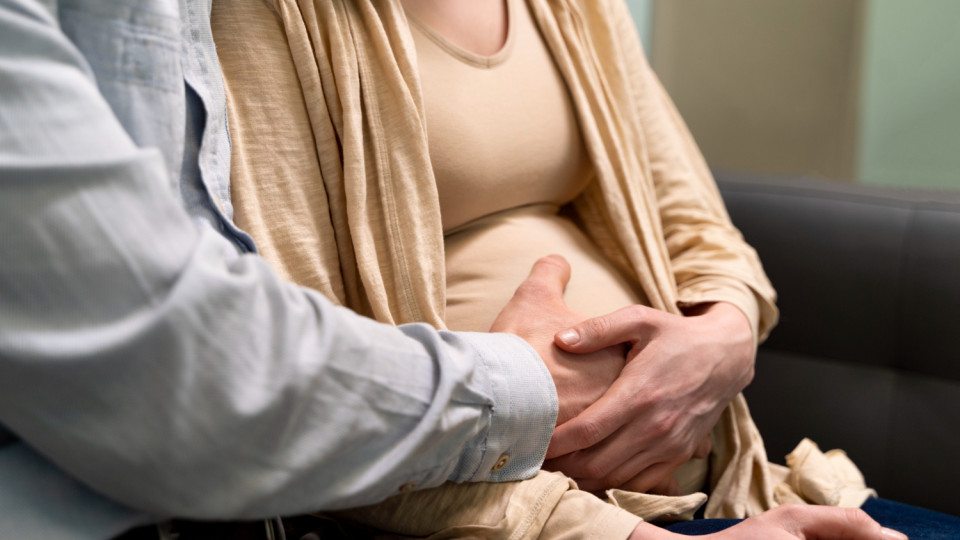










The choice of place and method of childbirth belongs to the sphere of private life; however, in exceptional cases, the state may intervene to protect life and health. This issue was considered by the European Court of Human Rights in the case of C.P. v. Spain (application No. 50181/22), the decision of which was adopted on June 11, 2026.
The case is significant for the application of Article 8 of the Convention, as it concerns the balance between a woman's reproductive autonomy and the positive obligation of the state to protect life and health in the presence of a real risk to the fetus.
Circumstances of the case
The applicant, a French citizen residing in Spain, was under the supervision of a public hospital and a private midwife. She planned to give birth at home and informed the medical institution in advance.
On April 23, 2019, at 42 weeks and 2 days of pregnancy, the woman underwent an examination at the hospital. Medical professionals concluded there was a risk of fetal hypoxia and intrauterine death due to post-term pregnancy and fetal examination results.
The applicant was advised either to start labor induction or remain under intensified medical supervision.
After consulting with her partner and midwife, she left the hospital and ceased contact with medical staff. The next day, the hospital applied to the court for immediate hospitalization due to the high risk to the fetus.
The court ordered mandatory hospitalization of the applicant and instructed the police to escort her to the hospital. After communication with law enforcement, she agreed to go to the medical facility.
After hospitalization, doctors chose a wait-and-see approach. The next day, labor began naturally but complications arose: lack of progress in labor, deterioration of the fetus's condition, and cephalopelvic disproportion. With the applicant's consent, an emergency cesarean section was performed, after which the child was born healthy.
The applicant challenged the hospitalization decision, but all national courts, including the Constitutional Court of Spain, upheld its legality.
The ECHR's position
The ECHR recalled that the conditions under which childbirth occurs are an integral part of a person's private life within the meaning of Article 8 of the Convention.
The Court emphasized that childbirth is a unique and extremely delicate moment in a woman's life, encompassing issues of physical and moral integrity, medical care, reproductive health, and protection of health information. Therefore, the choice of birthplace belongs to the sphere of private life.
At the same time, the Court stressed that Article 8 of the Convention does not guarantee an autonomous right to give birth at home. State intervention may be justified provided the requirements of legality, legitimate aim, and necessity in a democratic society are met.
Assessing the lawfulness of the intervention, the ECHR noted that the Constitutional Court of Spain thoroughly analyzed national legislation and concluded there was sufficient normative basis to resolve the conflict between the mother's rights and the need to protect the life of the unborn child. The Court found no signs of arbitrary or manifestly unforeseeable interpretation of domestic law and agreed with the conclusions of the national courts.
The ECHR also noted that the applicant was informed about specific risks associated with post-term pregnancy, including fetal hypoxia and intrauterine death. Under such circumstances, she could foresee that authorities might urgently intervene if a conflict arose between her decision not to receive medical care in a hospital and the risk to the unborn child's life.
Medical professionals identified specific risks and informed the court. The ECHR found no grounds to consider that national courts acted arbitrarily or lacked sufficient information to make a decision.
The Court specifically emphasized that although there is usually no conflict of interest between mother and child, certain decisions regarding the place, conditions, or method of childbirth may create an increased risk to the health and safety of the newborn. Even in normal pregnancies, unforeseen complications may arise during labor that require immediate specialized medical intervention. A maternity hospital can provide such care, whereas home births cannot, even with a qualified midwife present.
The Court attached particular importance to the subsequent developments after hospitalization. Although doctors initially chose a wait-and-see approach, the need arose for an emergency cesarean section due to complications during labor. According to the ECHR, these circumstances confirmed that the assessment of high risk to mother and child, cited by the hospital in its court application, was not unfounded.
Based on its analysis, the Court concluded that national authorities provided relevant and sufficient grounds for intervention, properly balanced competing interests, and did not exceed their margin of appreciation. Therefore, the intervention was necessary in a democratic society.
Violation of the Convention
The ECHR examined the applicant's complaints under Articles 8 and 5 of the Convention.
Regarding Article 8, the Court recognized that forced hospitalization constituted interference with the right to respect for private life. At the same time, this interference was prescribed by law, pursued the legitimate aim of protecting the health of mother and child, and was proportionate and necessary in the specific circumstances of the case. Therefore, no violation of Article 8 was found.
Regarding Article 5, the applicant claimed she was unlawfully deprived of liberty during transportation to the hospital and subsequent stay in the medical facility.
The ECHR declared this part of the application inadmissible ratione materiae and dismissed it. The Court noted that police did not enter the applicant's home, did not use physical force, were not present with her in the ambulance, and left the hospital immediately after hospitalization. Furthermore, the applicant was not isolated from the outside world and was accompanied by her partner. Under these circumstances, no deprivation of liberty within the meaning of Article 5 occurred.
Thus, in the case of C.P. v. Spain, the ECHR ruled that forced hospitalization of a pregnant woman for childbirth did not violate Article 8 of the Convention, and the complaint under Article 5 was declared inadmissible.
The Court confirmed that the choice of birthplace belongs to the sphere of private life, but in the presence of proven serious and urgent risk to the life or health of the unborn child, the state may intervene in the exercise of such choice.
The decision emphasizes the need for individual assessment of medical risks and careful balancing between a woman's autonomy and the state's duty to protect life and health.
Additionally, read another ECHR position, where the Court found disproportionate confiscation that forced one accomplice to answer for the entire criminal proceeds of the group.
Subscribe to our Telegram channel t.me/sudua and to Google News SUD.UA, as well as to our VIBER and WhatsApp pages on Facebook and Instagram to stay informed about the most important events.