When a Father Can Lose the One-Time Benefit for a Fallen Military Son: The Position of the Supreme Court


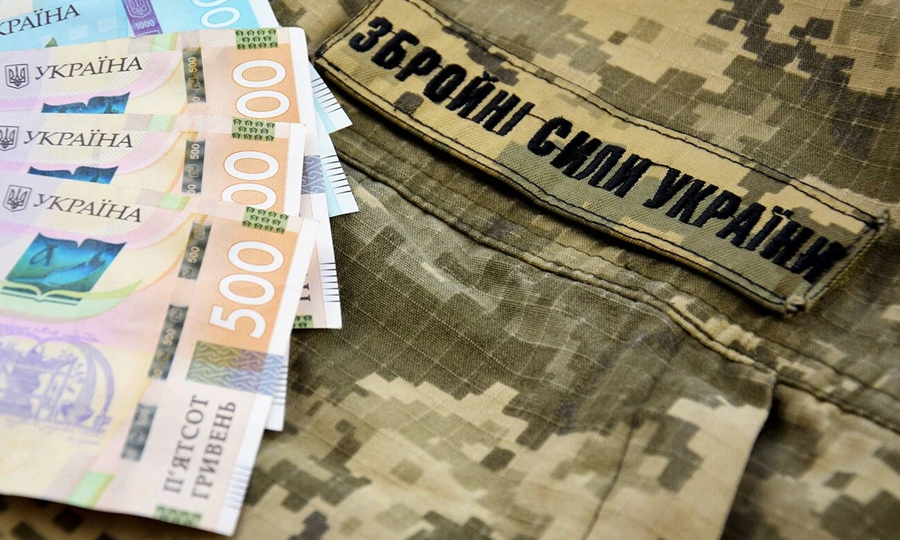










The Supreme Court, composed of the panel of judges of the Second Judicial Chamber of the Cassation Civil Court, considered a dispute regarding the establishment of the fact of a father's evasion of the duty to support his fallen serviceman son during his lifetime. Establishing such a fact was significant for resolving the issue of the right to receive a one-time monetary benefit provided for by Article 16 of the Law of Ukraine "On Social and Legal Protection of Servicemen and Their Families."
Case Summary
The mother of the fallen serviceman filed a lawsuit to establish the fact of the father's evasion of the duty to support the son from February 1, 2003, to July 30, 2014, as well as to recognize that he lost the right to receive a one-time monetary benefit due to the son's death during military service.
The claim was based on the fact that after the termination of cohabitation, the father effectively withdrew from fulfilling parental duties, did not participate in raising the child, did not communicate with the son, did not provide financial assistance, and showed no interest in his life. According to the plaintiff, she bore all expenses for the child's maintenance and upbringing independently.
After the serviceman's death, the Ministry of Defense of Ukraine assigned the one-time monetary benefit to both the mother and father in equal shares. The plaintiff referred to part two of Article 16-4 of the Law of Ukraine "On Social and Legal Protection of Servicemen and Their Families," according to which the appointment or payment of a one-time monetary benefit may be denied to a person against whom a court decision has established the fact of evasion of the duty to support the deceased during his lifetime.
Decisions of Previous Courts
The court of first instance partially satisfied the claim and established the fact of the father's evasion of duties to support the son from February 1, 2003, to July 30, 2014. The court concluded that the evidence confirmed the defendant's withdrawal from parental duties.
The appellate court overturned this decision in part and ruled to dismiss the claim. The court noted that the plaintiff did not provide proper and admissible evidence that the defendant evaded his parental duties regarding support of the son during the disputed period.
Disagreeing with this decision, the plaintiff filed a cassation appeal.
Position of the Supreme Court
In case No. 584/661/24, the Supreme Court first drew attention to the legal nature of establishing legal facts. The court noted that legal facts are those facts to which the law connects the emergence, change, or termination of legal relations, and their establishment is allowed for the protection, emergence, change, or termination of personal or property rights of the interested party.
The court emphasized that the purpose of the claim in this case was to establish the fact of evasion by one of the parents of the duty to support the fallen serviceman in order to further resolve the issue of the right to receive a one-time monetary benefit.
Analyzing part two of Article 16-4 of the Law of Ukraine "On Social and Legal Protection of Servicemen and Their Families," the Supreme Court concluded that the legislator, by requiring the establishment of the fact of evasion of the duty to support the deceased during his lifetime, intended to define the time limits of the existence of such a fact, not to limit the moment of its establishment by the court.
The court noted that a different interpretation of this provision would contradict its content and the purpose of legal regulation, as it would effectively make its application impossible in many cases and lead to state assistance being received by persons who actually did not fulfill their duties.
The Supreme Court stressed that current legislation does not require the establishment of such a fact exclusively during the serviceman's lifetime. The relevant fact can be established even after his death, provided it is proven that the evasion occurred during his lifetime. In such a case, the court decision has a retrospective nature and is aimed at establishing past circumstances that create legal consequences in the future, particularly regarding the appointment or termination of the one-time monetary benefit.
At the same time, the Supreme Court agreed with the appellate court's conclusions about the unproven claims. The court noted that the appellate instance properly examined and evaluated all evidence in the case, including witness testimonies, and reached a reasoned conclusion about the absence of proper evidence that the defendant evaded his parental duties to support and raise the son or consciously failed to fulfill his legal obligations.
The Supreme Court also noted that the father was not deprived of parental rights regarding the son, and therefore the consequences provided for by Article 166 of the Family Code of Ukraine cannot be applied to him.
Separately, the court noted that the arguments about the lack of financial assistance were not supported by proper evidence. Moreover, the plaintiff did not use the legal right to claim child support through the court.
The Supreme Court dismissed the cassation appeal and agreed with the appellate court's conclusions about the lack of evidence of the father's evasion of the duty to support the son. At the same time, the court formulated the legal position that the fact of evasion of the duty to support the fallen serviceman can be established by the court even after his death if it is proven that such evasion occurred during his lifetime.
The cassation court's ruling enters into legal force from the moment of its adoption and is not subject to appeal.
Subscribe to our Telegram channel t.me/sudua and to Google News SUD.UA, as well as to our VIBER and WhatsApp pages on Facebook and Instagram to stay informed about the most important events.