Not Every Serviceman Can Become a Guardian of an Incapacitated Person: The Supreme Court Named the Key Condition


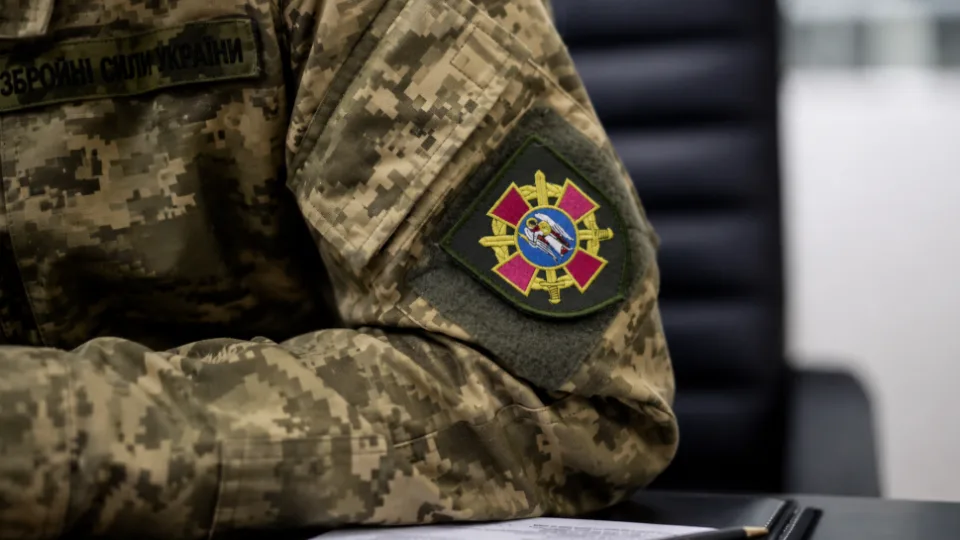










The fact that a candidate for guardianship is in military service is not, in itself, a legal basis for refusing to appoint them as a guardian for an incapacitated person. However, the court must assess not only the absence of formal legal restrictions but also whether the candidate has a genuine ability to perform the duties of a guardian, considering the ward's best interests.
This conclusion was reached by the Civil Cassation Court, part of the Supreme Court.
Mother requested the appointment of her younger son, a serviceman, as guardian
The case involved replacing the guardian for a man declared incapacitated in 2005 due to a severe mental illness.
After the mother became his guardian in 2018, her health significantly deteriorated. She informed the court that, due to her age and health, she could no longer properly fulfil her guardianship duties. Therefore, she requested to be relieved of these powers and for her younger son — the incapacitated man's brother — to be appointed as guardian.
She noted that the brother had a good relationship with the ward, lived at the same address, had no criminal record, was not registered with a psychiatrist or narcologist, and the guardianship council had recognised the advisability of his appointment as guardian, which the executive committee had communicated to the court. However, since 2023, the man had been serving in the Armed Forces of Ukraine.
Why the Courts Refused to Appoint the New Guardian
Both the court of first instance and the appellate court agreed that the mother could no longer fulfil the functions of guardian and relieved her of these duties.
However, they refused to appoint the brother, a serviceman, as guardian.
The courts reasoned that the incapacitated man has a Group I disability from childhood, suffers from profound intellectual disability with pronounced behavioural disorders, is unable to care for himself, and requires constant daily external care.
Since the candidate is serving in the military in another location, the courts concluded that he is currently unable to fully ensure the performance of guardian duties. Until the appointment of a new guardian, the guardianship and trusteeship authority was responsible for his care.
Military Service Is Not Included in the List of Legislative Prohibitions
The Civil Cassation Court upheld the decisions of the previous instances.
The Supreme Court emphasised that Article 64 of the Civil Code contains an exhaustive list of cases when a person cannot be a guardian. Military service, including mobilisation, is not included in this list.
The court also noted that legislation on military duty and service not only does not prohibit appointing a serviceman as guardian but also provides for the possibility of his release from military service in cases defined by law, due to guardianship duties. Thus, military service itself is not a legal obstacle to appointing a person as guardian.
The decisive factor is the ability to perform guardian duties
The Supreme Court noted that as early as 22 June 2026, the United Chamber of the Civil Cassation Court formulated a legal conclusion stating that military service by conscription during mobilisation cannot, in itself, be grounds for refusing to appoint an individual as a guardian.
However, in each specific case, the court must determine whether the candidate is realistically capable of performing guardian functions. It must assess their ability to safeguard the personal non-property and property rights of the ward, consider the criteria defined by legislation and the Rules of Guardianship and Trusteeship, and act in the best interests of the person under guardianship.
Why the cassation appeal was dismissed
In case 495/1975/24, the Supreme Court stated that the courts refused to appoint the brother as guardian not solely due to his military service, but because they found that he currently lacked the genuine capacity to provide constant daily care for the ward.
The court considered that the incapacitated person requires continuous care, and the candidate is serving in the military in a different location, thus preventing him from fully performing guardian duties at present.
Until a new guardian is appointed, the guardianship and trusteeship authority is responsible for the care of the incapacitated person and is obliged to ensure the provision of necessary living conditions, care, treatment, and the protection of their civil rights and interests. Nevertheless, the brother is not precluded from being appointed guardian in the future, should the circumstances that currently prevent him from properly fulfilling these duties change.
Subscribe to our Telegram channel t.me/sudua, follow SUD.UA on Google News , and join us on VIBER, WhatsApp, Facebook and on Instagram to stay informed about the important events.