When a work record book is enough and when a clarifying certificate is needed: the court explained how to confirm preferential pension service












The Odessa District Administrative Court considered a dispute in a lawsuit against the Main Department of the Pension Fund of Ukraine in the Odessa region regarding the refusal to assign an age pension on preferential terms under List No. 2. The plaintiff requested to cancel the Pension Fund’s decision and oblige it to reconsider his application with the inclusion of the period of compulsory military service and work as a battery worker in the preferential service period.
Essence of the case
In case No. 420/10813/26, the plaintiff applied to the Main Department of the Pension Fund of Ukraine in the Odessa region for an age pension on preferential terms according to paragraph 2 of part 2 of article 114 of the Law "On Compulsory State Pension Insurance." The Pension Fund refused to assign the pension by decision dated April 8, 2026, citing the absence of the necessary preferential service period. According to the defendant, the applicant’s insurance period was 34 years 10 months 23 days, but the preferential service period was absent. Additionally, the Pension Fund noted that the applicant did not submit a preferential certificate confirming the work service period that determines the right to a preferential pension in the form provided by Procedure No. 637.
Disagreeing with this refusal, the plaintiff went to court. He stated that at the time of application he was 58 years old, had over 34 years of total insurance service, and sufficient preferential service in his opinion. The plaintiff requested to include the period of compulsory military service from October 21, 1986, to November 14, 1989, as well as the period of work from December 1, 1989, to May 15, 1994, as a battery worker in the preferential service period.
The Pension Fund’s representative in the response insisted that all documents confirming the insurance period were considered, but there were no grounds to include the disputed periods in the preferential service. The defendant also noted that special service is a separate category and cannot be counted without fulfilling the requirements of special legislation, particularly regarding the submission of confirming documents.
Position and conclusions of the court
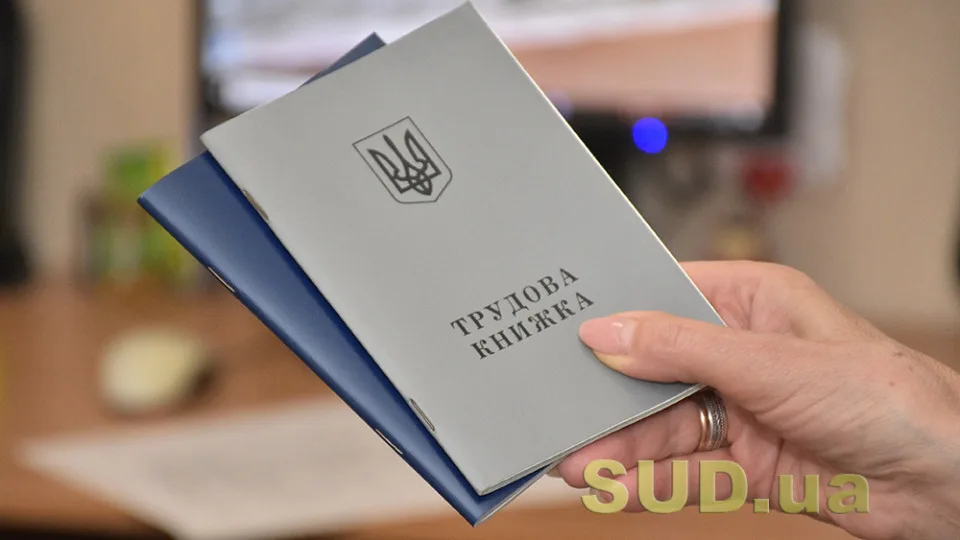
The court cited the provisions of the Law "On Compulsory State Pension Insurance," the Law "On Pension Provision," the Law "On Social and Legal Protection of Servicemen and Their Families," the Procedure for applying Lists No. 1 and No. 2, Procedure No. 637, and other regulatory acts governing confirmation of special work service and assignment of pensions on preferential terms. The court noted that the main document confirming work service is the work record book, and clarifying certificates are submitted only when the work record book is absent or lacks information determining the right to preferential pension provision.
Evaluating the request to include the period of compulsory military service in the preferential service, the court established that before conscription the plaintiff worked as a contact network electrician. However, there was no evidence submitted to the case materials that this position belonged to jobs under List No. 1 or List No. 2 and gave the right to assign a pension on preferential terms. The court also noted that the period of military service was already counted by the Pension Fund as insurance service. Under these circumstances, the court concluded that the request to include this period specifically in the preferential service was unfounded and should be denied.
Regarding work as a battery worker, the court established that during the disputed period this profession was explicitly provided for in Lists No. 2 of productions, works, professions, positions, and indicators with harmful and difficult working conditions, approved by the USSR Council of Ministers resolutions No. 1173 dated August 22, 1956, and No. 10 dated January 26, 1991. Therefore, such work gave the right to assign an age pension on preferential terms.
The court noted that the Pension Fund refused to include this period in the preferential service solely due to the absence of a clarifying certificate. At the same time, entries in the work record book confirm work as a battery worker, and the work record book is the main document confirming work service. The court emphasized that a clarifying certificate is necessary only if the work record book or relevant entries in it are missing. Since the entries about the plaintiff’s work as a battery worker are contained in the work record book, there were no grounds to refuse to include this period in the preferential service. This conclusion is consistent with the legal positions of the Supreme Court set out in rulings dated December 10, 2020, in case No. 372/403/17 and November 12, 2025, in case No. 160/25181/24.
Based on the above, the court partially satisfied the claim. It recognized as unlawful and canceled the decision of the Main Department of the Pension Fund of Ukraine in the Odessa region refusing to assign the pension and obliged the defendant to reconsider the application for an age pension on preferential terms with the inclusion in the preferential service under List No. 2 of the period of work as a battery worker from December 1, 1989, to May 15, 1994.
The court denied the request to include the period of military service in the preferential service.
Subscribe to our Telegram channel t.me/sudua and to Google News SUD.UA, as well as to our VIBER and WhatsApp, our page on Facebook and on Instagram to stay informed about the most important events.