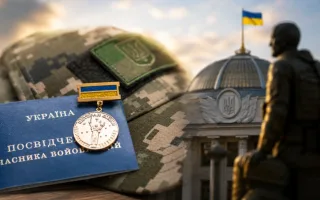
Before deployment to the brigade: what soldiers learn during the 51-day basic training


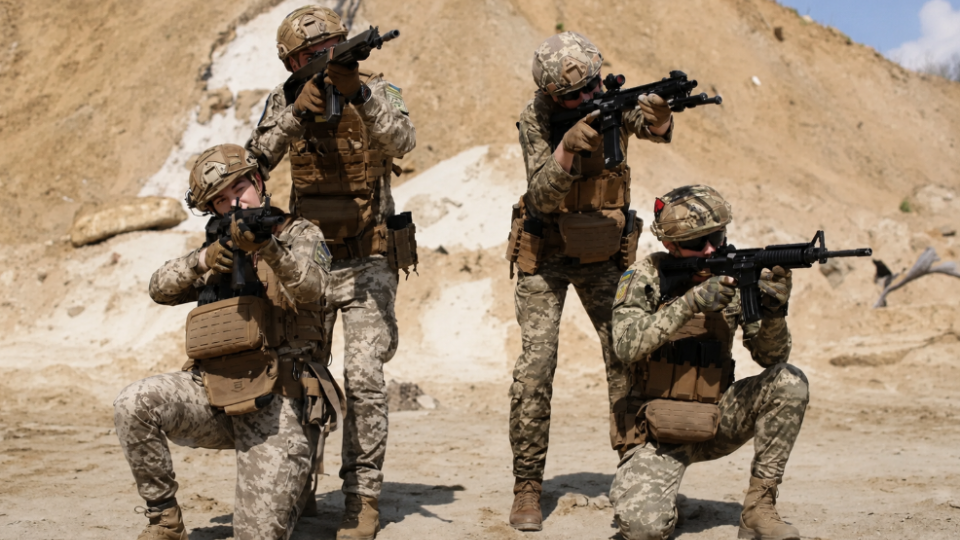










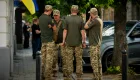
Basic Tactical Combat Preparation (BTCP) today focuses on practice and real combat experience. The course lasts 51 days and is designed to provide recruits with basic skills that can save the life of the serviceman himself as well as his comrades on the battlefield.
What is BTCP and how long is the training
Basic Tactical Combat Preparation is a mandatory stage for servicemen before starting service in combat units.
The total duration of the course is 51 days. The program is structured to prepare the recruit as much as possible for modern war conditions, where alongside traditional combat skills, countering drones, tactical medicine, and psychological resilience are becoming increasingly important.
Overall, the course covers 402 training hours, of which 367 hours are allocated to practical exercises under the guidance of instructors.
The main task of BTCP is not only to provide theoretical knowledge but also to develop survival skills, unit interaction, and the execution of combat missions under high-risk conditions.
Firearms training and countering FPV drones
One of the largest areas of training is firearms training, with 137 hours of practical exercises allocated.
During training, recruits master:
- handling small arms;
- firing from various positions;
- quickly clearing malfunctions during shooting;
- actions with weapons in combat conditions.
During training, servicemen use over 940 live rounds, according to the Ministry of Defense.
Special attention is given to practical exercises with pump-action shotguns, which can be used to combat FPV drones.
These skills have become especially important due to the enemy's active use of drones, including fiber-optic controlled drones, against which electronic warfare means are ineffective. In such conditions, the ability to timely detect a threat, shoot down a drone, or quickly take cover can save lives.
Engineering training and survival on positions
During BTCP, recruits also undergo engineering training and learn the basics of survival in field conditions.
The program includes training in:
- constructing trenches and dugouts;
- camouflaging from drones and thermal imagers;
- organizing living conditions on positions;
- rules of field hygiene;
- preserving drinking water supplies.
A modern serviceman may stay on frontline positions for extended periods, so the ability to properly arrange shelter, remain unnoticed by the enemy, and maintain physical condition directly affects his safety and combat capability.
Tactical and psychological training
A separate training block is dedicated to tactical actions and psychological resilience.
Recruits practice:
- actions as part of a combat group;
- interaction between servicemen;
- clearing trenches;
- responding to changes in the combat situation.
Classes are conducted under maximum psychological stress. For this, elements of a special psychological obstacle course are used, simulating explosions, gunfire, and other factors characteristic of real combat.
Such training helps future servicemen control emotions, overcome fear, maintain the ability to soberly assess the situation, and act coherently even in critical conditions.
Tactical medicine: skills that save lives
One of the most important components of BTCP is tactical pre-hospital care.
During classes, servicemen learn:
- the MARCH algorithm according to NATO standards;
- methods to stop massive bleeding;
- proper use of tourniquets;
- self- and mutual aid under fire;
- procedures before evacuating the wounded.
On the battlefield, the first minutes after injury often determine a person's chances of survival. That is why the ability to quickly provide aid to oneself or a comrade is considered one of the key skills of a modern serviceman.
Comprehensive tactical exercise: readiness check for combat conditions
The final stage of basic training is a comprehensive tactical exercise (CTE), which is as close as possible to real combat conditions.
It includes:
- a three-day field deployment;
- a 3-kilometer forced march;
- land navigation;
- performing tasks at night;
- monitoring air threats;
- repelling attacks from a simulated enemy.
The role of the enemy is played by special simulation groups formed from experienced instructors.
Such training allows checking recruits' readiness to act under physical and psychological exhaustion, make decisions under pressure, and perform combat tasks as part of a unit.
To create the most realistic environment, instructors use various simulation and multimedia tools that recreate combat conditions.
How training is organized during BTCP
Out of the total 51-day course, 42 days are directly allocated to training.
This period includes:
- introductory course;
- individual preparation;
- training in unit actions;
- comprehensive tactical exercise.
Another 7 days are weekends, and 2 days are for administrative matters.
For security reasons, mobile phone use is allowed only at times designated by commanders.
What equipment recruits receive
During BTCP, the state provides servicemen with all necessary gear.
Recruits receive:
- military uniform;
- body armor;
- protective helmet;
- active headphones;
- tactical goggles;
- sleeping bag;
- individual first aid kit.
Additionally, from the first day of training, the serviceman receives full monetary compensation starting from 20,130 hryvnias.
What happens after completing BTCP
After completing the course, the serviceman receives the military occupational specialty MOS-100 "Rifleman" and the corresponding certificate.
After that, he is sent to a combat military unit or for further specialized training if he chooses a narrow specialty, such as a UAV operator or combat medic.
At the same time, recruits do not go to the front line immediately after completing BTCP.
Upon arrival at the military unit, they undergo a 14-day adaptation period. During this time, combat coordination takes place, along with familiarization with personnel, commanders, and the specifics of the unit's armament.
Only after completing this stage are servicemen involved in performing combat missions.
Thus, the preparation of a future warrior consists of several consecutive stages—from basic training to adaptation within the unit. This system is designed to ensure the highest possible readiness of the serviceman for the challenges of modern warfare and increase his chances of successfully completing combat tasks.
Subscribe to our Telegram channel t.me/sudua and to Google News SUD.UA, as well as to our VIBER and WhatsApp, page on Facebook and on Instagram to stay updated on the most important events.