Administrative Justice in Zaporizhzhia: Traditions of Professional Dialogue and a Look into the Future


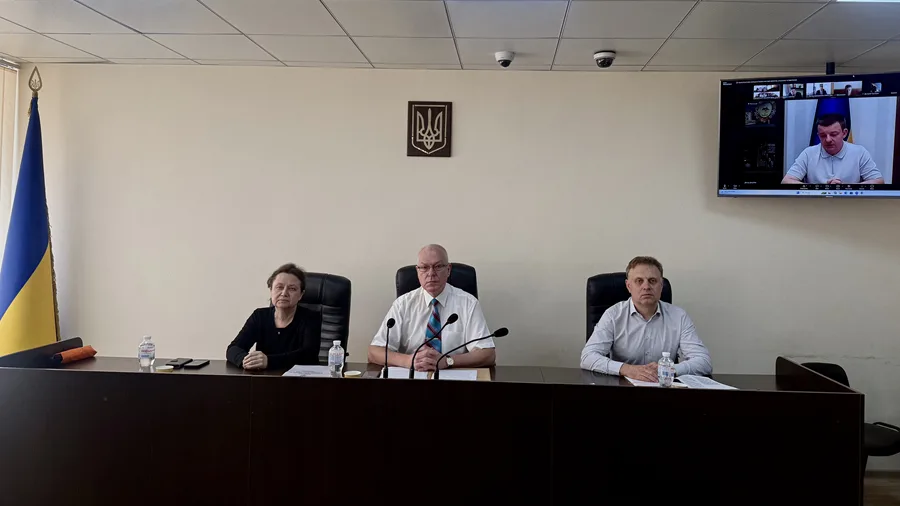










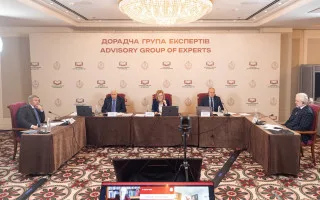
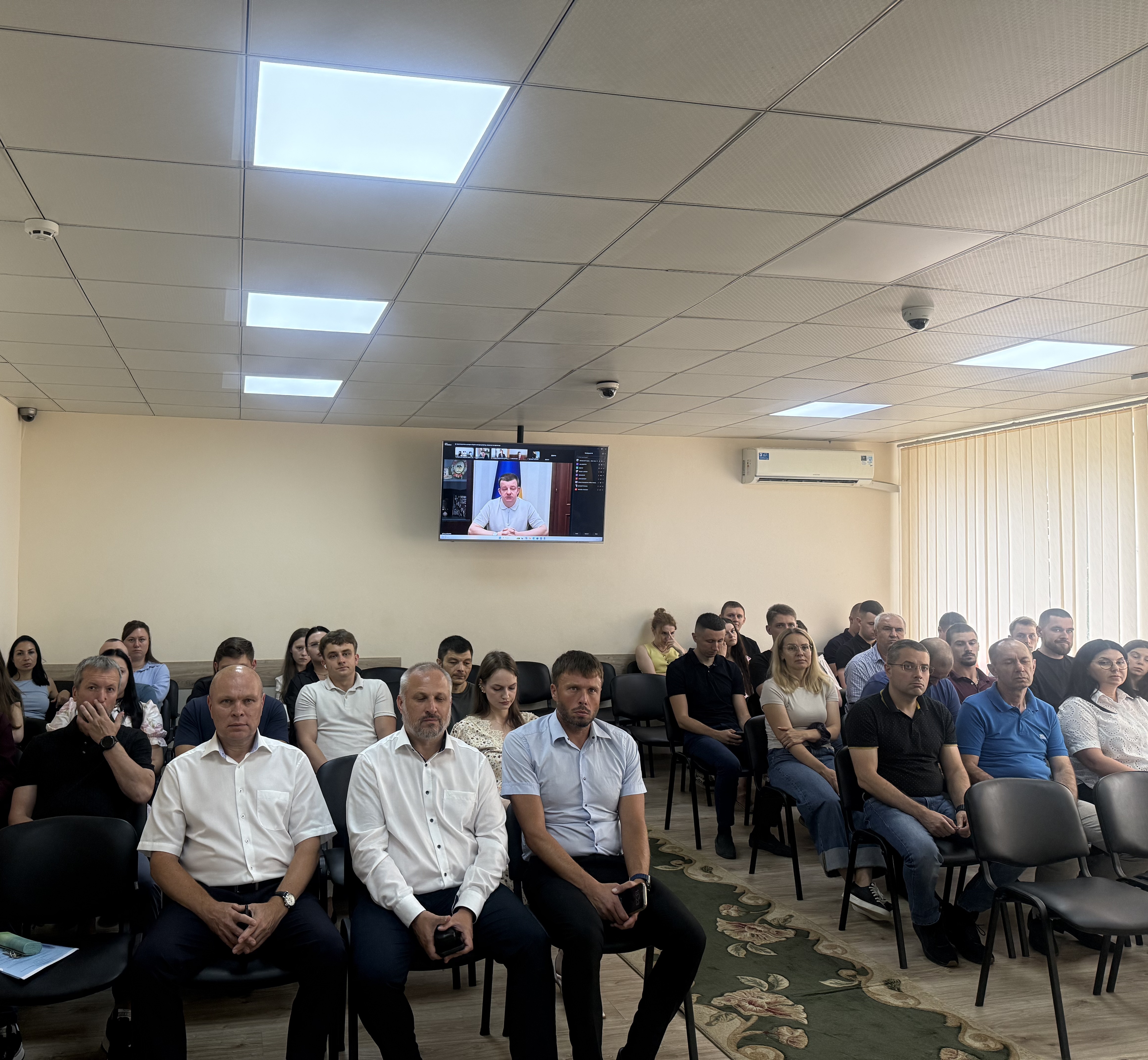
An international scientific and practical conference, "Administrative Justice in Ukraine: Vectors of Development, Strengthening, and Prospects," dedicated to the Days of Administrative Justice, was held at the Zaporizhzhia District Administrative Court. This was reported by the court.
The conference is particularly symbolic as it is traditionally held during the Days of Administrative Justice. These days offer an opportunity not only to recall the history of the establishment of administrative courts in Ukraine but also to reflect on their current role in a democratic state. Administrative courts protect the rights, freedoms, and legitimate interests of individuals in their interactions with authorities, ensuring the implementation of one of the fundamental principles of the rule of law – the principle of the supremacy of law. Therefore, holding a scientific and practical conference during this period has become a good tradition for the Zaporizhzhia District Administrative Court, uniting judges, scholars, and the legal community to discuss current challenges and prospects for the development of administrative justice.
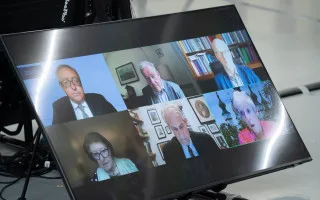
The event was attended by the Head of the Cassation Administrative Court within the Supreme Court, Ihor Dashutin, Judge of the Constitutional Court of Ukraine, Viktor Horodovenko, Judge of the Cassation Administrative Court within the Supreme Court, Semen Stetsenko, Vice-Rector for Research at Yaroslav Mudryi National Law University, Dmytro Luchenko, Director of the Scientific School of Administrative and German Law at Maksut Narikbayev University (Republic of Kazakhstan), Roman Melnyk, Dean of the Law Faculty of Zaporizhzhia National University, Tetyana Kolomoiets, Acting Head of the Third Administrative Court of Appeal, Andriy Sukhovarov, Head of the Dnipropetrovsk District Administrative Court, Volodymyr Horbalinskyi, as well as judges and court staff.
The conference was opened by Oleh Prudivus, Head of the Zaporizhzhia District Administrative Court, member of the High Council of Justice (2018–2022), Candidate of Legal Sciences, and Associate Professor. He combined a welcoming speech with a substantive report on "The Present of Administrative Justice in Ukraine: Achievements and Challenges."
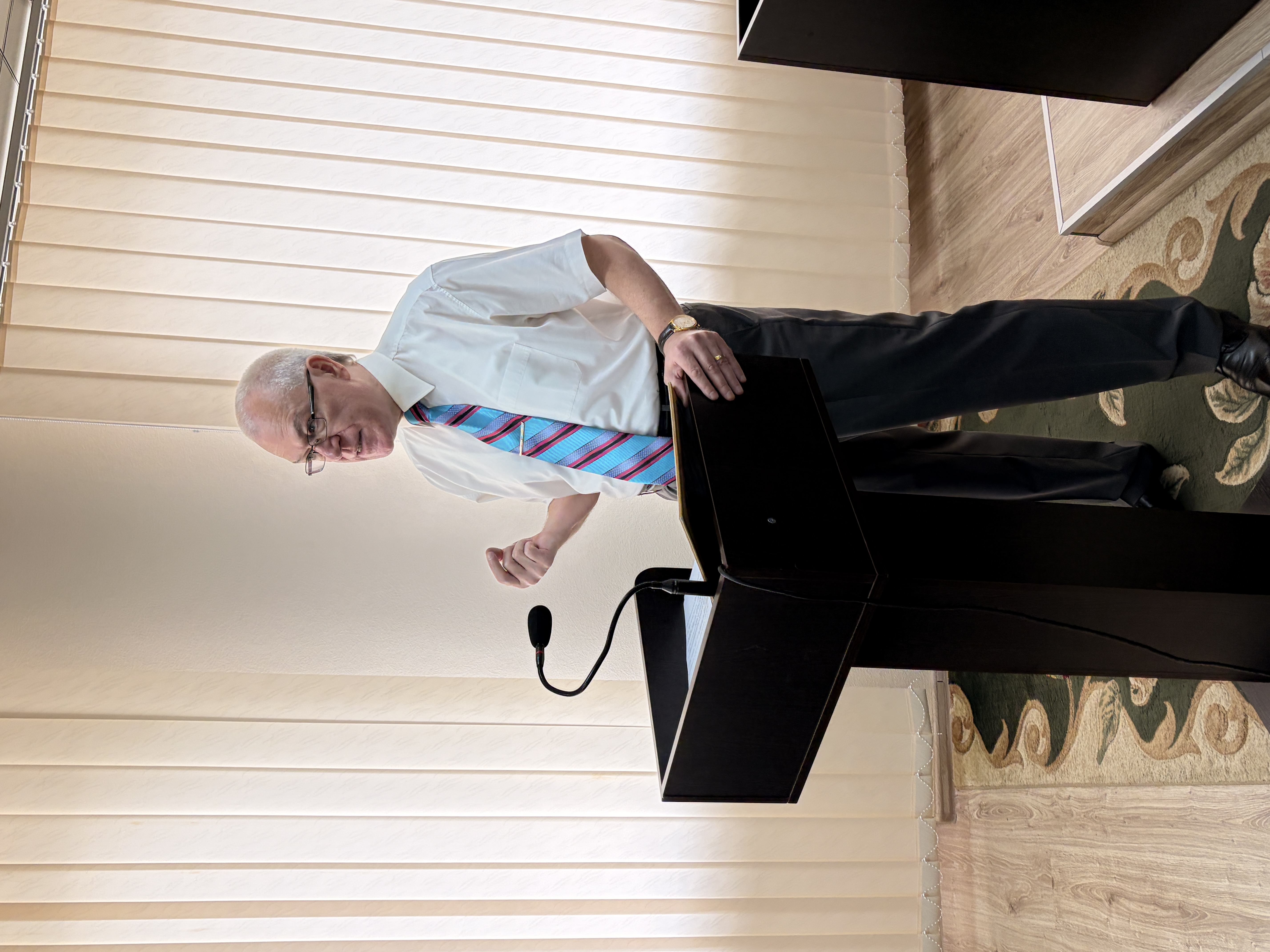
Welcoming the participants, the Head of the Court emphasised that holding a scientific and practical conference during the Days of Administrative Justice has become a cherished tradition of the Zaporizhzhia District Administrative Court. Such events serve as a crucial platform for professional discourse among judges, scholars, representatives of state authorities, and the legal community. They facilitate the exchange of experience, foster the development of unified approaches to law enforcement, and aid in addressing current challenges confronting administrative justice.
Transitioning to the core of his address, the speaker noted that administrative justice in Ukraine has navigated a complex path of development. This journey began with the 1992 Concept of Judicial and Legal Reform in Ukraine, which first identified the necessity of establishing administrative justice as a distinct form of judicial protection for citizens in disputes with state authorities. It progressed through the adoption of the 2005 Code of Administrative Procedure of Ukraine and the creation of a system of specialised administrative courts, culminating in the current model where district and appellate administrative courts operate, and the Cassation Administrative Court within the Supreme Court ensures the uniformity of judicial practice. He particularly highlighted the pivotal role of administrative courts as an effective mechanism for safeguarding human rights and freedoms in public-law relations and as a guarantor of the rule of law. Oleh Prudivus stressed that during martial law, the number of cases before the court did not diminish but rather increased, which underscores the Zaporizhzhia District Administrative Court's authority among citizens.
The Head of the Court then specifically addressed the contemporary challenges facing administrative justice, primarily the administration of justice under martial law. The speaker outlined a range of problematic issues contributing to a significant volume of administrative cases, including lawsuits concerning mobilisation procedures, claims by servicemen regarding payment calculations, and judges' lawsuits pertaining to remuneration. Such disputes reflect problematic social relations with the state and necessitate resolution at a national level.
In concluding his speech, Oleh Prudivus particularly emphasised that the establishment of administrative justice represented a genuine historical achievement for the Ukrainian state. Its introduction fundamentally altered the relationship between the state and individuals, as for the first time, citizens gained the opportunity to effectively protect their rights in disputes with authorities through specialised courts. Administrative justice has thus become an important instrument for ensuring legality, fairness, and state accountability to the individual.
The first guest speaker was the Head of the Cassation Administrative Court within the Supreme Court, Doctor of Law, Professor Ihor Dashutin. He extended greetings to the judges and court staff, emphasising that despite today's arduous conditions, the Zaporizhzhia District Administrative Court continues to uphold citizens' trust in the state.
In his report, "Administrative Justice of Ukraine: The Path of Formation, Current Challenges, and the Role of the Cassation Administrative Court in Shaping the Future," he delineated the main stages of administrative justice's formation in Ukraine, highlighted current challenges confronting administrative courts amidst public administration reforms, and underscored the decisive role of the Cassation Administrative Court in ensuring the unity of judicial practice and shaping modern legal approaches.
Ihor Dashutin noted that evolving legal relations, the transformation of the public administration system, and the imperative to ensure continuous access to justice and human rights protection, even under martial law, are generating new categories of public-law disputes and posing new tasks for the courts. These challenges demand not only a swift response from the judicial system but also the continuous development of legal approaches, the refinement of judicial practice, active utilisation of modern technologies, and the study of best international practices.
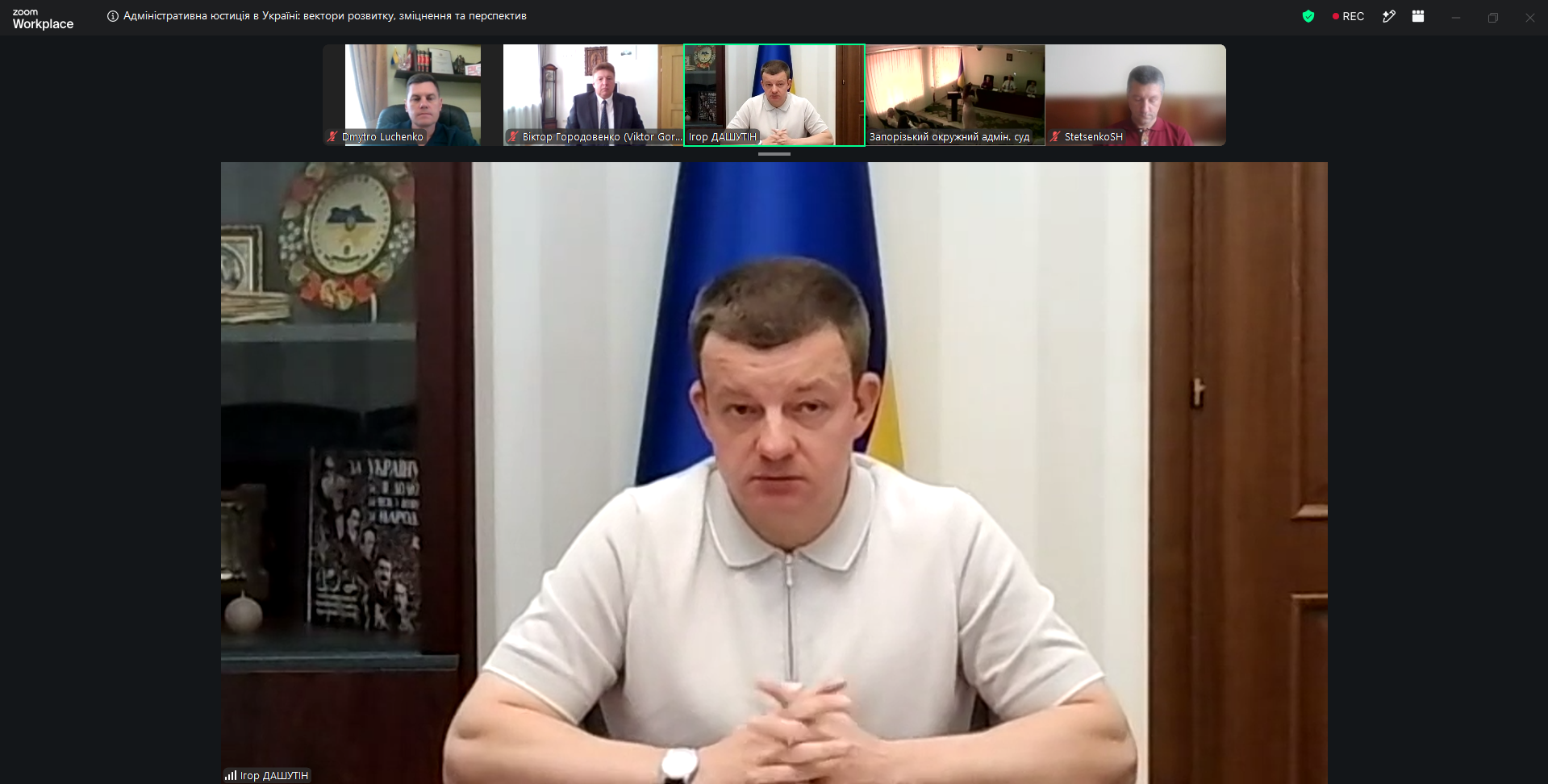
The speaker emphasised that the principal value of a democratic state lies in the individual, their rights, and freedoms. Concurrently, the genuine protection of these is only feasible with an independent and impartial judiciary, capable of effectively scrutinising the activities of the state and its bodies. Administrative courts are tasked with verifying the legality of decisions, actions, or inactions of authorities, thereby ensuring an equitable balance between state interests and human rights.
Concluding his address, the Head of the Cassation Administrative Court spoke to the younger generation of judges and court staff, remarking that their patriotism and adherence to the rule of law are pivotal to national unity and public trust in the state.
Viktor Horodovenko, a Judge of the Constitutional Court of Ukraine, Doctor of Law, Professor, Honoured Lawyer of Ukraine, and Corresponding Member of the National Academy of Legal Sciences of Ukraine, dedicated his speech to the methodology of interpreting the norms of the Constitution of Ukraine and its legislation.
In his report, he underscored the commonalities and distinctions in the interpretative methodologies employed by the Constitutional Court of Ukraine and administrative courts regarding the Constitution of Ukraine. Viktor Horodovenko stressed that, notwithstanding their differing purviews, both judicial jurisdictions share a unified objective: to uphold the supremacy of the Constitution of Ukraine, enshrine the principle of the rule of law, and robustly safeguard human rights and freedoms. The speaker highlighted that administrative courts, by applying the Constitution of Ukraine to specific cases, integrate its provisions into judicial practice. In contrast, the Constitutional Court of Ukraine undertakes the official interpretation of the Basic Law and establishes constitutional legal precedents that serve as guidance for courts across all jurisdictions.
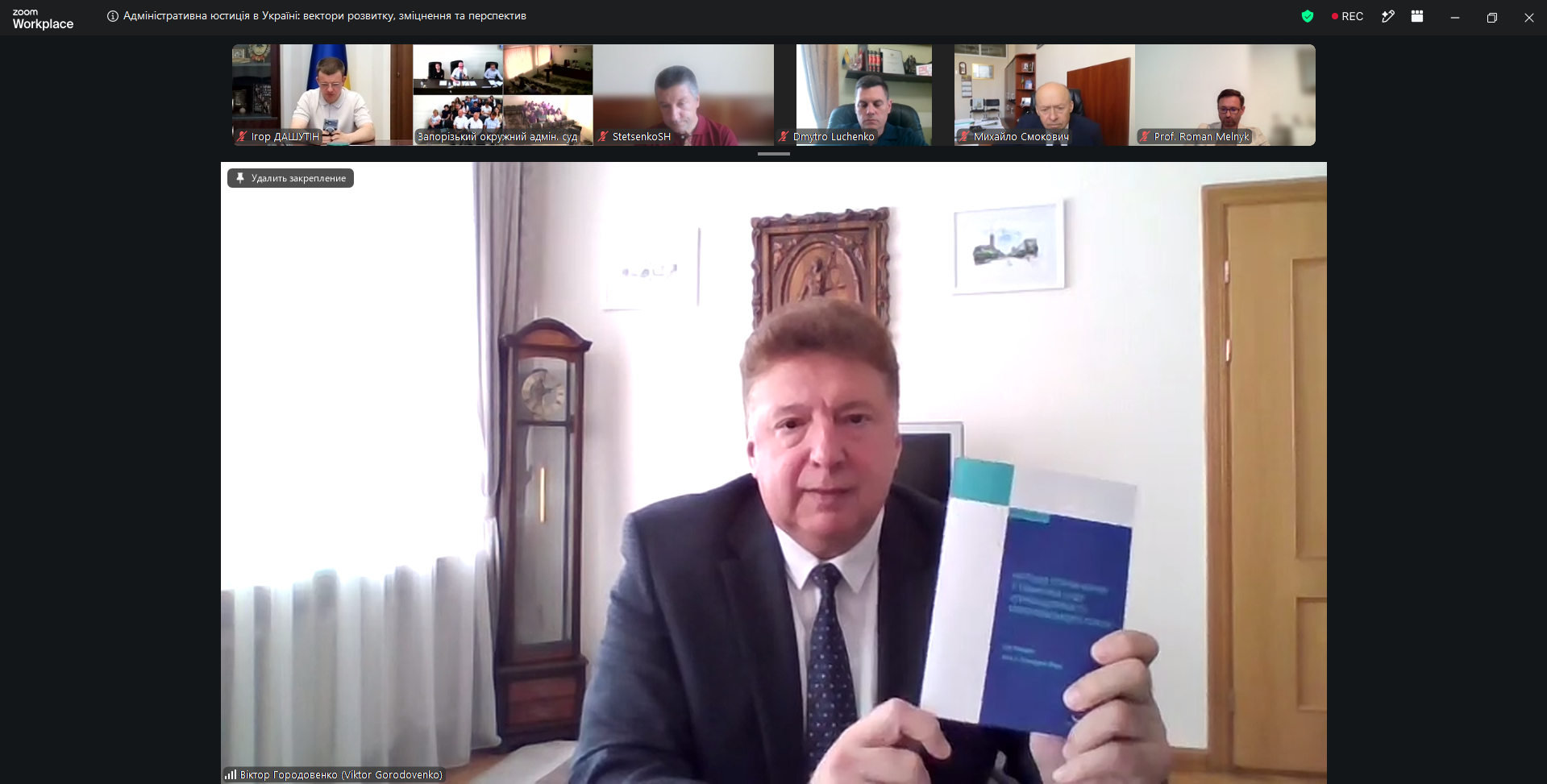
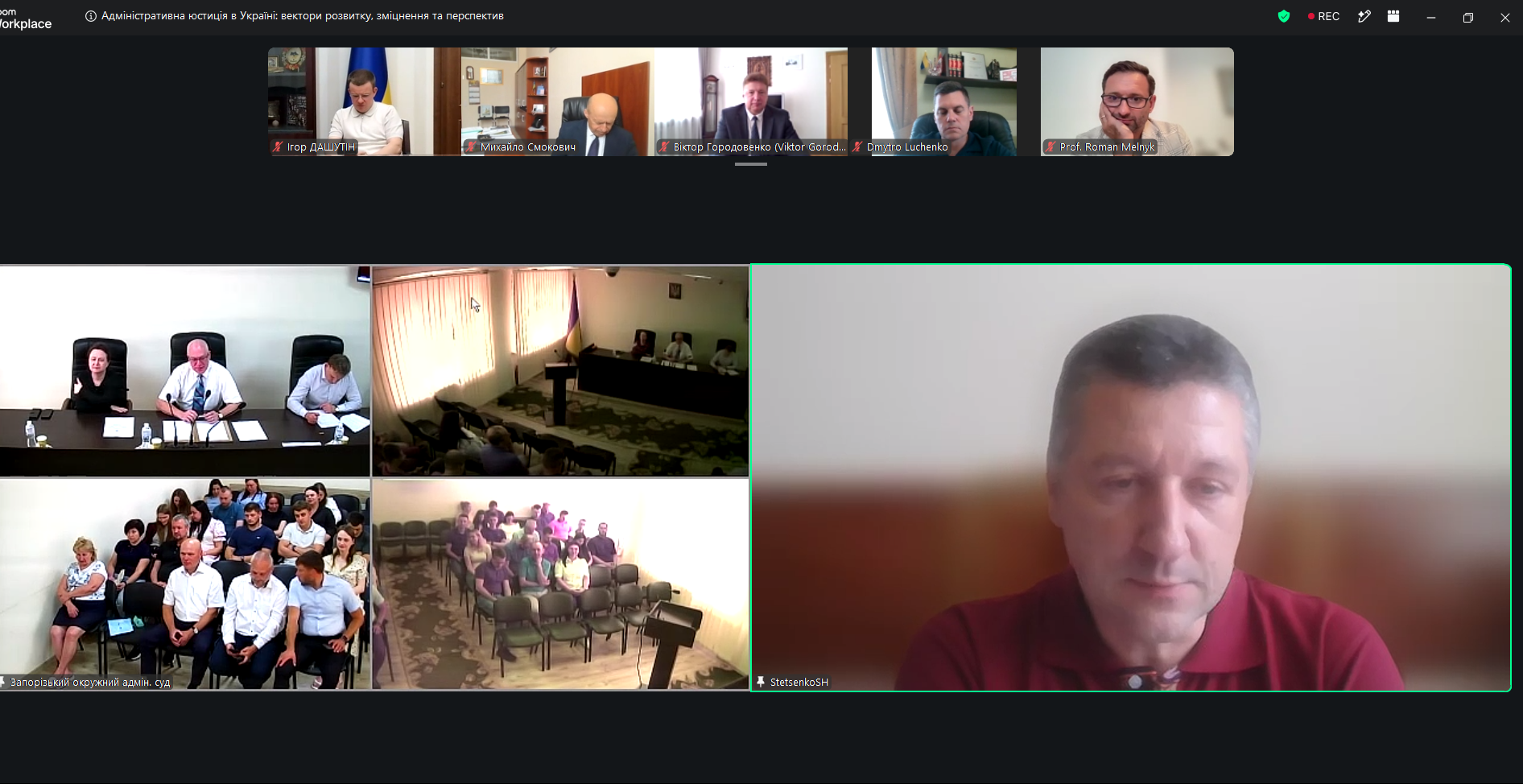
Particular interest among participants was aroused by the report of Semen Stetsenko, Judge of the Cassation Administrative Court within the Supreme Court, Doctor of Law, Professor, Academician of the National Academy of Legal Sciences of Ukraine, and Honoured Scientist and Technician of Ukraine. His topic was: "The Third Decade of Ukrainian Administrative Justice: Fundamental Principles and 'Red Lines'."
Analysing the development path of administrative justice in Ukraine, he focused on its fundamental principles and the so-called "red lines" that must remain unchanged, regardless of further reforms in the judicial system or transformations in public administration.
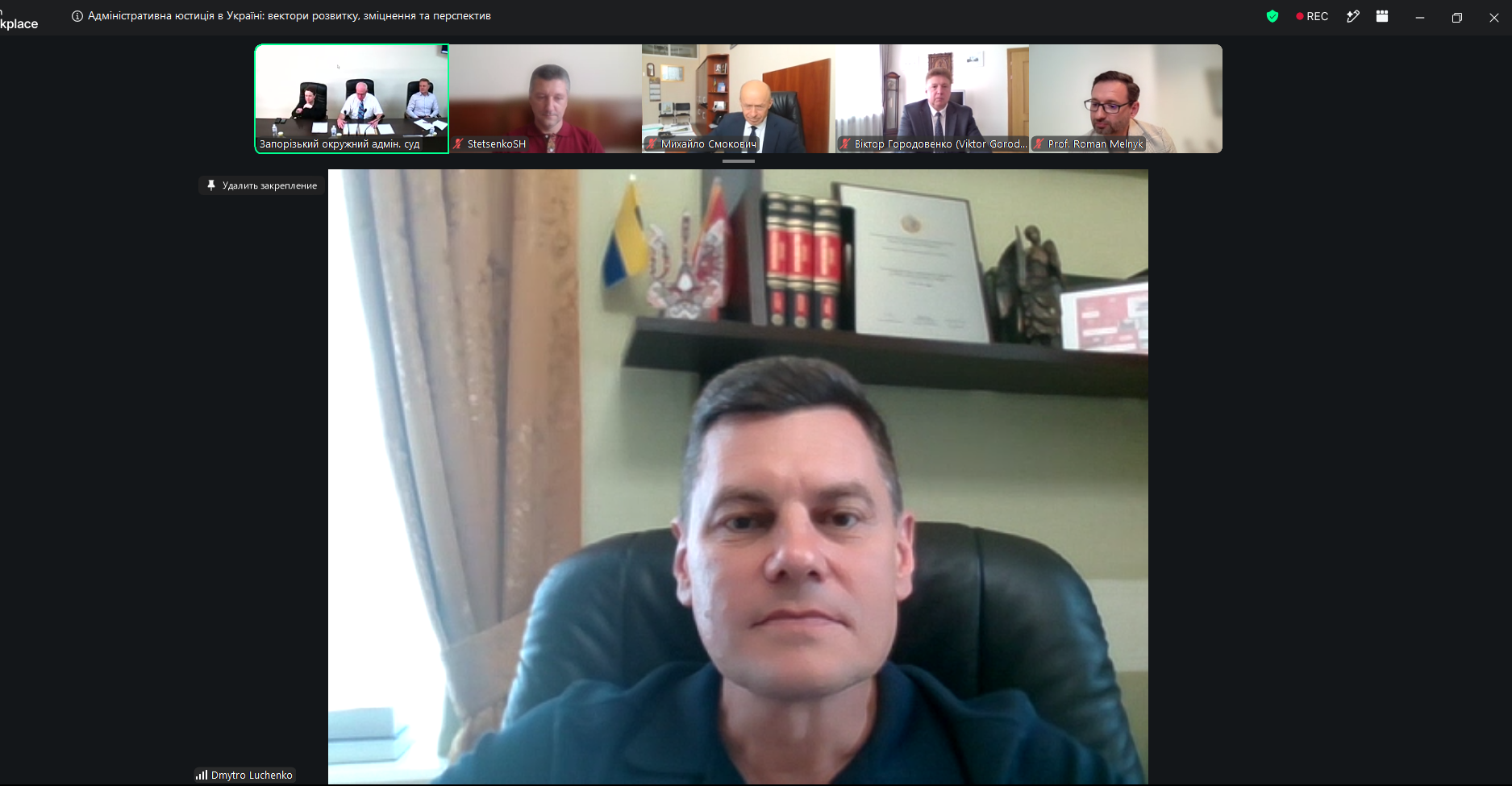
The report by Dmytro Luchenko, Vice-Rector for Research at Yaroslav Mudryi National Law University and Doctor of Law, was also highly relevant. It was dedicated to the use of artificial intelligence technologies in judicial activities.
The speaker outlined current digital technology capabilities and prospects for their use to optimise court work, emphasising the need to preserve the leading role of the judge in making judicial decisions.
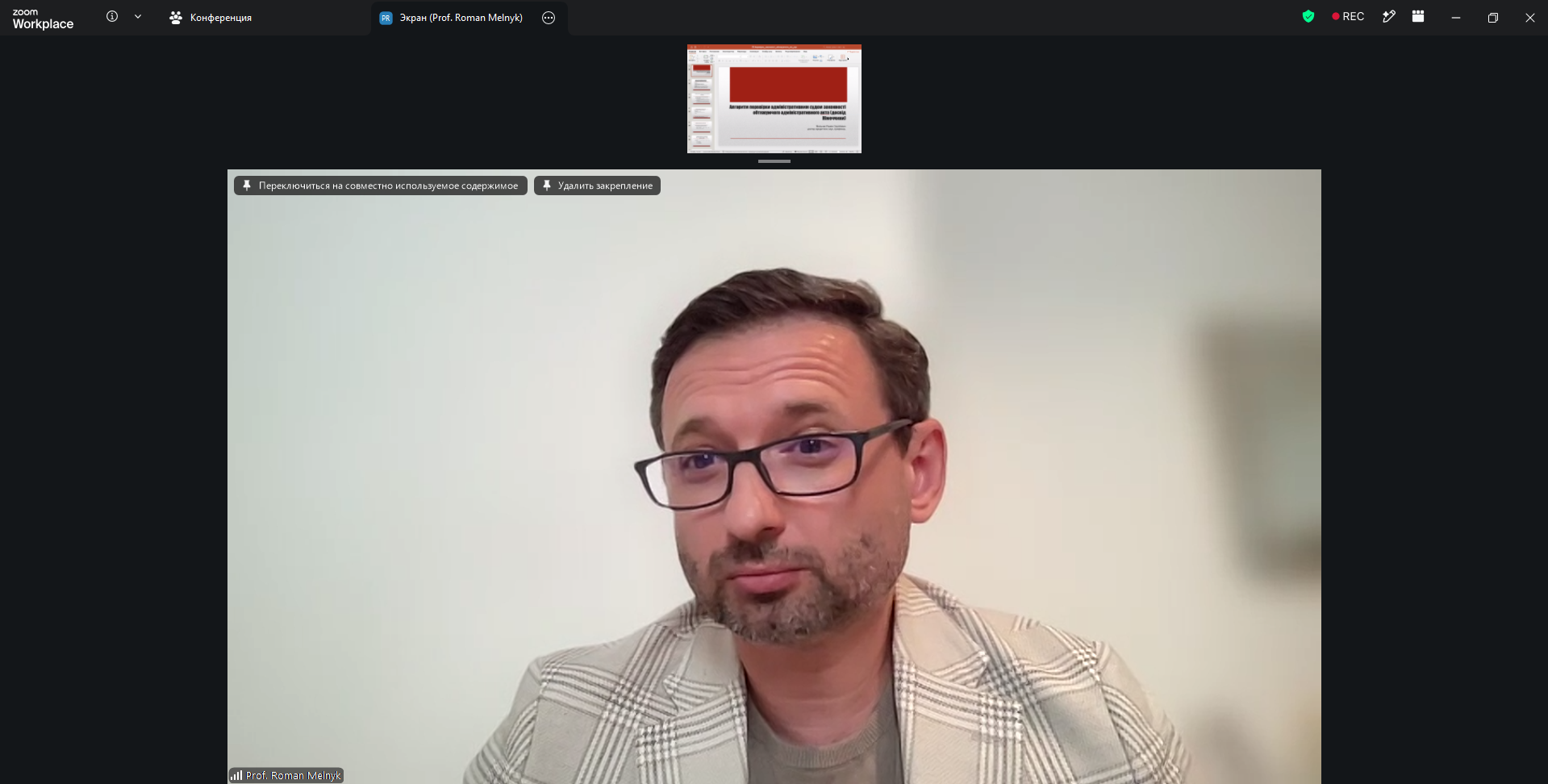
Roman Melnyk, Head of the Scientific Centre of Austrian, German, and Swedish Law at Yaroslav Mudryi National Law University, and Director of the Scientific School of Administrative and German Law at Maksut Narikbayev University (Republic of Kazakhstan), Doctor of Law, and Professor, presented the conference participants with the Federal Republic of Germany's experience regarding the algorithm for checking the legality of burdensome administrative acts. This foreign experience could be useful for further improving national administrative legislation and judicial practice.
In her report, Tetyana Kolomoiets, Dean of the Law Faculty of Zaporizhzhia National University, Doctor of Law, Professor, Corresponding Member of the National Academy of Legal Sciences of Ukraine, and Honoured Lawyer of Ukraine, focused on the problems of defining the limits of discretionary powers of public authorities. She emphasised that even when discretion exists, authorities' decisions must be based solely on the law and comply with the principles of legality, proportionality, reasonableness, and legal certainty. Only under such conditions is a proper balance ensured between public interests and human rights.
Andriy Sukhovarov, Acting Head of the Third Administrative Court of Appeal, delivered a welcoming speech, thanking the judges and court staff for their work and emphasising that their work involves delivering fair and lawful decisions.
The participants of the scientific and practical conference were also greeted by Volodymyr Horbalinskyi, Head of the Dnipropetrovsk District Administrative Court and Doctor of Law. He emphasised that active, caring, and principled people work in administrative justice, particularly highlighting the role of court staff in ensuring stable work during judicial proceedings.
Summing up the conference, Oleh Prudivus, Head of the Zaporizhzhia District Administrative Court, wished the participants productive work, interesting discussions, and constructive debate. He expressed confidence that the conference's outcomes would contribute to the further development of administrative justice in Ukraine and strengthen public trust in the judiciary.
Subscribe to our Telegram channel t.me/sudua, follow SUD.UA on Google News , and join us on VIBER, WhatsApp, Facebook and on Instagram to stay informed about the important events.