What to Do for Sunburn: First Aid, Symptoms, and How to Protect Your Skin


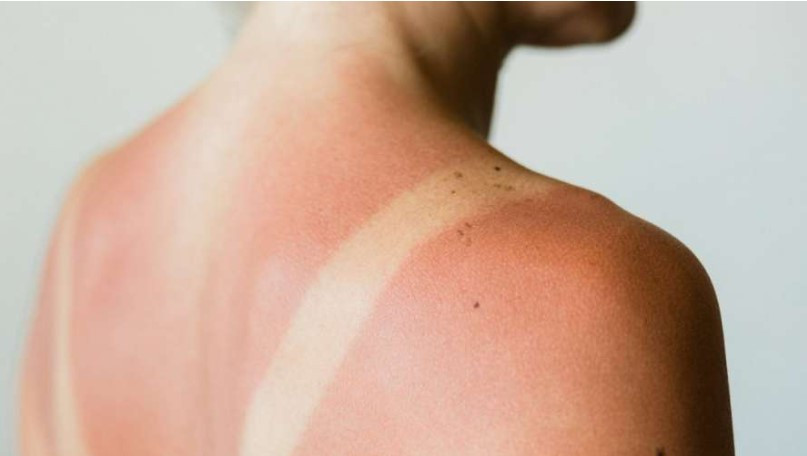










Summer vacations at the beach, by the river, or simply prolonged exposure outdoors can end with sunburn. Despite the common belief that it is just temporary skin redness, doctors emphasize that sunburn is skin damage caused by ultraviolet radiation. If help is not provided in time or sun protection rules are regularly neglected, it can have both short-term and long-term health consequences.
How Sunburn Occurs and Who Is at Risk
Sunburn occurs due to excessive exposure of the skin to ultraviolet rays. The first symptoms usually appear a few hours after sun exposure and reach their peak about a day later. People with fair skin, children, elderly individuals, and those who spend a long time in the sun without a hat or sunscreen most often get sunburned. At the same time, you can get sunburn even on cloudy days because a significant portion of ultraviolet radiation passes through clouds and is also reflected from water, sand, or light asphalt.
How to Recognize Sunburn
The main symptoms are skin redness, burning sensation, pain when touched, and feeling heat in the affected area. Later, swelling, itching, and peeling may appear. In case of more severe damage, blisters form on the skin. If a person has been in the sun for a long time, local symptoms may be accompanied by headache, nausea, chills, fever, weakness, or dizziness. These signs may indicate not only sunburn but also heat exhaustion.
What to Do After Getting Sunburned
After the first symptoms appear, it is necessary to move as quickly as possible to a cool place or shade and stop exposure to direct sunlight. It is recommended to cool the affected skin with a cool shower or compress, but not to apply ice directly to the skin. It is also important to drink enough water to avoid dehydration and to use light moisturizing products or preparations based on dexpanthenol or aloe vera for skin care. If the burn is accompanied by severe pain, over-the-counter pain relievers or anti-inflammatory drugs can be used after consulting a doctor or according to the instructions. Doctors advise against puncturing blisters as this increases the risk of infection. It is also not recommended to apply alcohol solutions, greasy creams, petroleum jelly, or various folk remedies such as oil or sour cream on fresh burns, as they may worsen the skin condition.
What Risks Sunburns Pose
Doctors emphasize that regular sunburns can have serious health consequences. They accelerate skin aging, contribute to the appearance of pigmentation spots and wrinkles, and increase the risk of precancerous changes and malignant tumors, including melanoma — one of the most dangerous types of skin cancer. Severe sunburns received in childhood are considered especially dangerous because they may increase the risk of developing cancer in the future. Medical help is needed if the sunburn covers a large area of the body, if numerous or large blisters have formed on the skin, if body temperature rises, or if there is severe headache, vomiting, fainting, or signs of dehydration. A doctor's consultation is also mandatory if a small child or elderly person is burned or if signs of infection appear at the affected site. In case of sudden deterioration of health, loss of consciousness, or suspicion of heat stroke, emergency medical assistance must be called immediately.
How to Properly Protect Yourself from the Sun
The most effective way to avoid sunburn remains prevention. Specialists advise avoiding direct sunlight during peak sun activity — approximately from 10:00 AM to 4:00 PM. Before going outside, apply broad-spectrum sunscreen with an SPF of at least 30, and for people with fair skin — SPF 50+, reapplying every two hours and after swimming. Additionally, it is worth wearing a hat, sunglasses, and light-colored clothing that covers shoulders and arms. It is equally important to drink water regularly, as adequate fluid intake helps the body better tolerate heat and reduces the risk of overheating. Following simple sun protection rules will help reduce the risk of sunburn, heat exhaustion, and other negative effects of prolonged ultraviolet radiation exposure.
Subscribe to our Telegram channel t.me/sudua and to Google News SUD.UA, as well as to our VIBER and WhatsApp, Facebook, and Instagram pages to stay informed about the most important events.