How to Choose Safe Shawarma: Key Rules to Help Avoid Food Poisoning


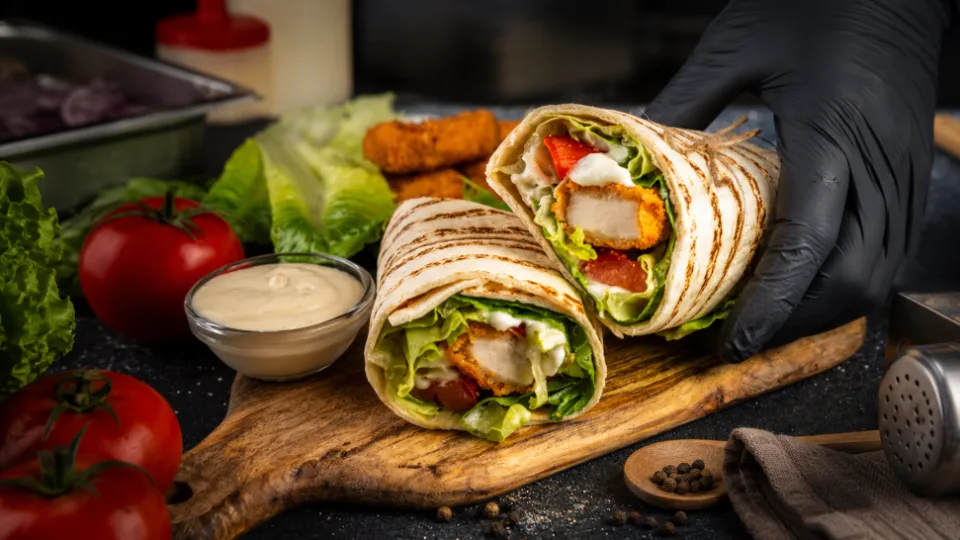










Shawarma remains one of the most popular types of fast food. At the same time, due to the combination of meat, fresh vegetables, sauces, and bakery products, it belongs to ready-to-eat foods that require especially careful compliance with sanitary requirements. Since the dish usually does not undergo additional heat treatment after preparation, violations of storage or preparation rules can pose a health risk. The State Service of Ukraine on Food Safety and Consumer Protection reminded what to pay attention to before buying to reduce the risk of purchasing a dangerous food product.
Buy shawarma only from official establishments
Experts recommend choosing only official trade or public catering establishments.
A consumer corner with information about the seller, including the name and contact details of the business entity, should be placed in a visible location.
Assess the cleanliness of the establishment and hygiene compliance
Before purchasing, it is worth paying attention to the overall sanitary condition of the establishment.
Work surfaces, equipment, display cases, and utensils must be clean and tidy. Employees must follow personal hygiene rules during product preparation and have personal medical books of the established form.
Check how ingredients are stored
It is equally important to assess the conditions of product storage.
Fresh vegetables, sauces, and other components should be stored in refrigeration equipment or under the temperature regime specified by the manufacturer. Products should not remain at room temperature for a long time.
Pay attention to the preparation process
During preparation, the meat must undergo proper heat treatment, and the finished shawarma should be prepared using clean utensils.
It is also important that raw and cooked products do not come into contact with each other, as this helps prevent contamination of the ready food.
When it is better to refuse the purchase
You should not buy the product if there are doubts about its quality.
An unpleasant smell, untidy appearance of the establishment, violations of sanitary requirements, or improper storage conditions are sufficient reasons to refuse the purchase.
What duties sellers have
Food market operators are obliged to comply with legislation requirements regarding food safety, proper hygienic practices, and relevant procedures.
In addition, upon consumer request, they must provide all necessary information about the food products they sell.
Subscribe to our Telegram channel t.me/sudua and to Google News SUD.UA, as well as to our VIBER and WhatsApp, page on Facebook and on Instagram to stay informed about the most important events.