Heads of communities banned from holding multiple positions: what restrictions the new law on local government financing of the army introduced


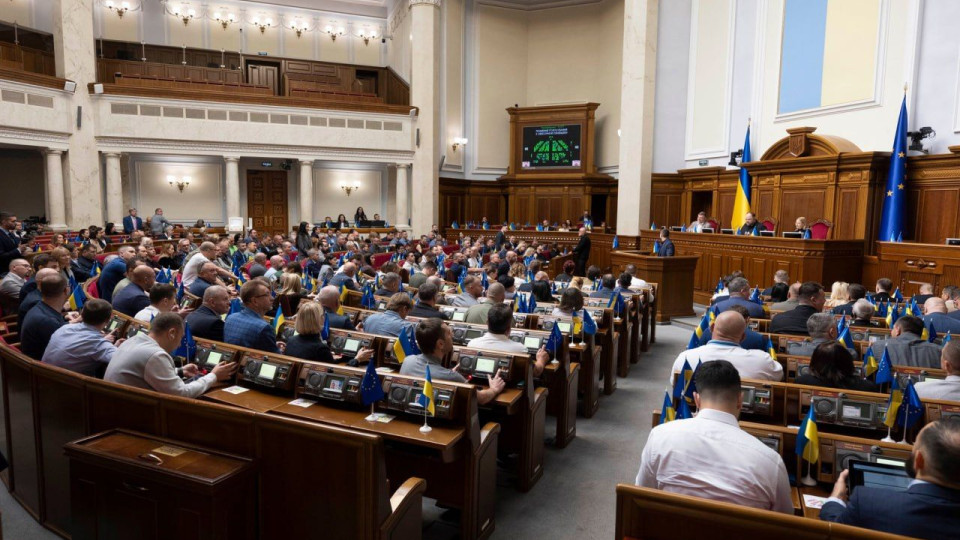










Law No. 3812-IX on amendments to certain laws of Ukraine regarding the expansion of the powers of local self-government bodies to support the security and defense sector of Ukraine has come into force. As previously reported by the «Judicial and Legal Newspaper», local authorities will legally gain the right to finance the needs of the Armed Forces.
The document aimed to eliminate legal conflicts that often put mayors and heads of communities at risk of criminal prosecution for using local funds for military units' needs. The final version, signed by the President, significantly differs from the initial proposals of the relevant committee; let's examine how.
New powers
The law provides for a change in the competence of village, settlement, and city councils. Starting tomorrow, councils will have the right to make decisions on providing financial and material assistance to the security and defense sector during martial law or a state of emergency. This includes approving local support programs.
However, an important caveat is that communities cannot provide firearms, ammunition, explosives, or devices.
Among the powers of executive bodies now are the preparation and implementation of programs to strengthen defense capability and material and technical support of the Armed Forces of Ukraine.
All decisions regarding defense support must be reported by communities to the Ministry of Defense of Ukraine.
Construction of fortifications
Legislative changes provide that executive bodies of local councils have delegated powers for preparing, organizing, and implementing programs for the construction and maintenance of engineering and fortification structures.
This concerns the arrangement of defensive infrastructure locally, including planning, financing, and coordinating relevant works.
At the same time, such programs cannot be implemented autonomously. The law requires their mandatory approval by the relevant central executive authorities.
Personnel changes
If a deputy head of a regional or district council performs the duties of the head for more than 90 consecutive days, the council may additionally elect one more deputy for this period.
A village, settlement, or city head cannot be a deputy of any council and is not allowed to combine their official duties with other positions, including public ones. The law separately prohibits engaging in other paid activities or entrepreneurial activities.
Exceptions are only certain types of activities defined by law, such as teaching, scientific and creative activities, medical practice, instructor and referee practice in sports. Additionally, a village, settlement, or city head can now legally combine their position with performing the duties of the head of the corresponding military administration of the settlement.
The law also amends the Law "On Prevention of Corruption." The restrictions on holding multiple positions and entrepreneurial activities do not apply to local self-government officials and civil servants (except category "A") if they are on unpaid leave, downtime, or contract suspension.
This allows such persons to work in the private sector or engage in entrepreneurial activities, provided they have not exercised control over these entities in the past year.
Within 30 days after the end of leave, downtime, or cancellation of martial law, such activities must be terminated. The draft initially proposed a 15 working day period.
Norms not included in the law
Comparison of the initial draft law and the final adopted law reveals some discrepancies, particularly regarding regulation of remote work of local self-government bodies and ensuring transparency of their activities.
Proposals not included in the final version concerned holding remote meetings and mechanisms for their publicity. Specifically, the legislative initiative provided a detailed procedure for holding plenary sessions, executive committee meetings, and commissions in video conference format. This provision was not included in the final text.
Separately, the draft contained a requirement for mandatory broadcasting of remote meetings, including defining the order of open access to them. This transparency guarantee during martial law was also excluded from the final version.
Another rejected proposal was to make the recording of remote meetings an integral part of the minutes. This requirement is also absent in the final law.
The draft also proposed geographic restrictions for deputies' participation in remote meetings — specifically requiring presence on the territory of Ukraine (except occupied territories). It also suggested considering votes of deputies abroad with the possibility of forming a clarified protocol. None of these norms were supported.
It is also worth noting that the proposal to increase the number of deputies for the head of the regional council to two persons was not accepted — the final law provides for only one additional deputy.
In summary, the final law significantly narrowed the scope of regulation proposed in the initial draft, especially regarding digitalization of procedures and strengthening transparency requirements for local councils.
Subscribe to our Telegram channel t.me/sudua and to Google News SUD.UA, as well as to our VIBER and WhatsApp, our page on Facebook and on Instagram to stay updated on the most important events.