Tents in the middle of the Kyiv metro: how rules regulate underground comfort during an air raid alert


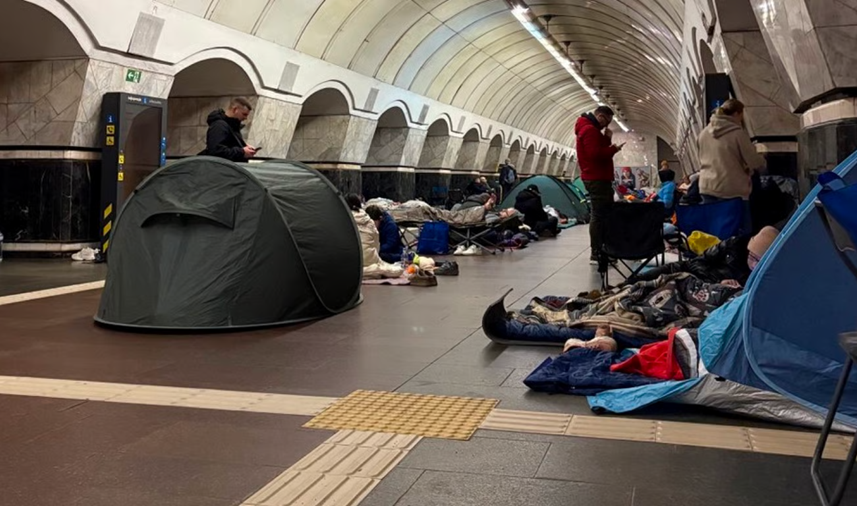










During martial law, the metro in Ukraine is used not only as transportation but also as a shelter during air raid alerts. However, the presence of people in the metro during missile attacks often causes disputes. Recently, among Ukrainians online, there was outrage over the practice of people bringing mattresses and camping tents into the metro during air raid alerts, which take up significant space and, in turn, reduces the number of places available for other people in the metro.
At the same time, the issue of using mattresses and tents in the metro is only intensifying. According to official data, Ukraine has about 62 thousand civil protection facilities that can simultaneously accommodate only half of the country's population.
Therefore, such a practice with tents in the metro creates risks, as some people may simply not have enough space in case of a threat.
Is it really allowed to bring a mattress and a tent into the metro?
Ukrainian legislation does not contain a direct norm that separately permits or prohibits the use of camping tents or mattresses in the metro during an air raid alert. At the same time, the legal regime for staying in shelters and protective structures is determined by a set of regulatory acts, including the Cabinet of Ministers of Ukraine Resolution No. 138 dated March 10, 2017, "On Approval of the Procedure for Using Civil Protection Protective Structures," as well as the Law of Ukraine "On Civil Protection of the Population."
According to the Cabinet resolution, shelters must be used in a way that does not compromise their readiness, does not block access, does not complicate evacuation, and ensures the possibility of accommodating the maximum number of people.
In particular, according to recommendations for passengers staying in the metro during an air raid alert, citizens are advised to prepare a basic set of items in advance for possible prolonged stays.
Citizens should take with them:
- warm clothes, a blanket, or a sleeping pad, considering the average temperature in underground premises is 17–18°C;
- personal medications;
- a supply of water or a thermos with a drink;
- hygiene products (wet and dry wipes, etc.);
- for pet owners — diapers and hygienic bags.
If the metro is used as a shelter until the end of train operations (10:30 PM–11:30 PM):
- do not occupy passages and movement zones;
- choose places with fewer people (as directed by attendants);
- do not create obstacles for movement and evacuation;
- monitor personal belongings and maintain cleanliness so that no lost items or trash remain after the air raid alert ends.
Additionally, space should be used rationally and unnecessary area should not be occupied, as the metro is shared by everyone and must provide the possibility of accommodating as many people as possible. Therefore, this requirement excludes the possibility of bringing camping tents or mattresses into the metro during an air raid alert, but a sleeping pad, which takes up less space, can be taken.
At the same time, practice shows that the issue of using bulky items in the metro during air raid alerts requires clear regulatory regulation at the level of subordinate acts or shelter usage rules. Currently, the existing legislation does not contain a direct ban on tents or inflatable mattresses but establishes the general principle that shelters must be used in a way that ensures maximum accommodation of people.
In the public discussion around the use of tents in the metro during air raid alerts, two positions have formed. On one hand, some citizens support this practice as a way to ensure basic comfort during prolonged stays in shelters. On the other hand, the problem lies in the overall shortage of equipped protective structures, due to which the metro often becomes the only available option for a large number of people.
As already reported by the "Judicial and Legal Newspaper", a petition No. 14277 was registered on the Kyiv City State Administration website. The petition proposes to ban the use of camping tents, inflatable beds, large mattresses, and other bulky items.
However, a possible complete ban also has weaknesses, for example, for vulnerable groups (children, elderly people, and people with disabilities), a mattress may be a necessity. The legislation currently does not detail such matters; the principle of "ensuring maximum capacity" is in effect. At the same time, a ban without alternatives may worsen the situation. A systemic approach is needed — including shelter revisions and the installation of additional mobile protective structures, which are already used in other cities and help reduce the load on existing infrastructure.
Subscribe to our Telegram channel t.me/sudua and to Google News SUD.UA, as well as to our VIBER and WhatsApp pages, and on Facebook and Instagram to stay informed about the most important events.