Up to 7 years for "busification": the Parliament proposes criminalizing illegal detention of citizens in TRCs


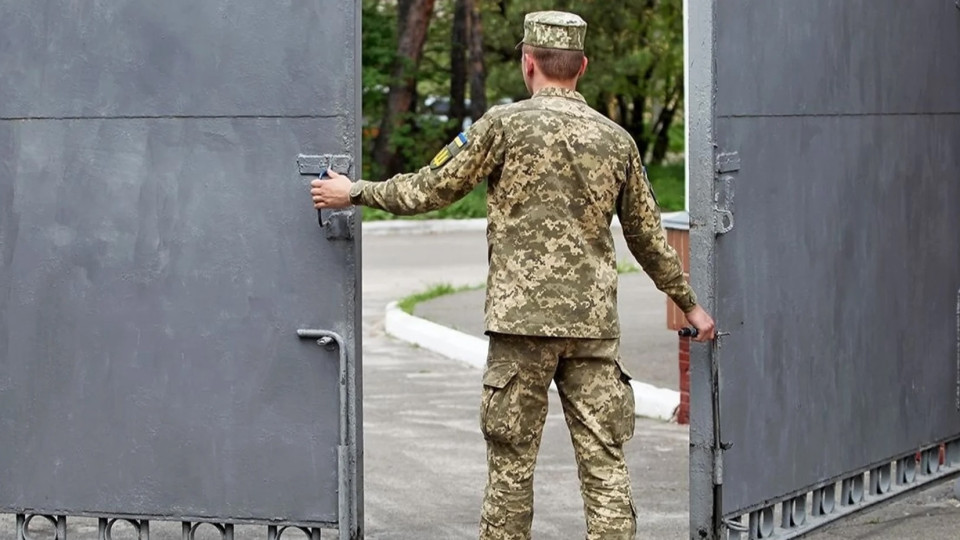










Social tension around the methods used by certain representatives of the TRCs has reached a critical point, to which the legislator responded by registering a new bill No. 15303. While the accompanying documents for the bill have not yet been published on the Verkhovna Rada website, the text of document No. 15303 has already become available thanks to the author of the legislative initiative.
Bill No. 15303 was registered in the Verkhovna Rada on June 8, 2026. The bill aims to strengthen criminal liability for illegal deprivation of liberty committed by state representatives, with an emphasis on the actions of employees of the Territorial Recruitment and Social Support Centers (TRCs).
New version of Article 146-1 of the Criminal Code
The bill proposes to revise Article 146-1 of the Criminal Code of Ukraine under the title "Forced Disappearance". The main change is that "state representatives" now means officials of Ukraine, as well as persons acting with the support, permission, or consent of state authorities or local self-government bodies of Ukraine.
Part 1 of the article provides for punishment from 3 to 5 years for arrest or detention by a state representative with subsequent refusal to acknowledge this fact or concealment of the person's whereabouts.
Criminalization of "busification"
The bill pays special attention to the liability of officials of the Territorial Recruitment and Social Support Centers, the Military Law Enforcement Service, and other military personnel. The document proposes to introduce criminal liability for the illegal detention of citizens during mobilization activities.
In particular, it is proposed to criminalize the forced detention of a person in premises of military administration bodies, assembly points, or military units without legal grounds, as well as holding citizens beyond the legally established terms of administrative detention.
Additionally, the list of prohibited actions is proposed to include the forced confiscation of mobile phones or other illegal restrictions on the detained person's access to communication means.
For committing such acts, the bill provides for punishment in the form of imprisonment for a term of from five to seven years.
Liability for illegal orders
Part 3 of the bill introduces strict liability for leaders. Issuing a knowingly illegal order that led to unlawful detention or delivery of a person will be punishable by imprisonment for a term of 5 to 8 years. Importantly, the note to the article explicitly states that carrying out a knowingly illegal order does not exempt the executor from criminal liability.
Aggravating circumstances
According to part 4, if the aforementioned actions are committed against a minor, against several persons, by a group of persons by prior conspiracy, or with the use of violence dangerous to life, the punishment increases to 7–12 years of imprisonment. The factor of "cruel, inhuman treatment degrading dignity" is separately highlighted.
According to the author of the initiative, the bill aims to create clear legal boundaries between lawful mobilization activities and actions that may contain signs of a criminal offense. The proposed provisions are intended to provide courts with tools to distinguish lawful execution of mobilization procedures from illegal deprivation of liberty.
At the same time, the implementation of the proposed changes may raise a number of practical issues. In particular, one of the key challenges will be proving the moment when lawful delivery of a person to the TRC or other authorized body turns into illegal detention. The law enforcement practice in such cases will depend on the clear establishment of these circumstances.
Moreover, the bill may face debates during parliamentary consideration, as its provisions directly concern the activities of structures involved in ensuring mobilization measures and state defense.
Overall, bill No. 15303 is an attempt to move the public discussion about possible human rights violations during mobilization into the realm of criminal liability. If the document is adopted, illegal detention of citizens, forced restriction of their communication, or other actions committed outside the procedures established by law may be classified as serious crimes with real imprisonment terms.
If the bill is supported by Parliament, it may become one of the most significant mechanisms to prevent abuse of official powers during mobilization activities under martial law conditions.
The "Judicial and Legal Newspaper" will monitor the appearance of documents on the official Verkhovna Rada website, but the initiative already demonstrates a desire to establish parity between state coercion and personal inviolability.
Subscribe to our Telegram channel t.me/sudua and to Google News SUD.UA, as well as to our VIBER and WhatsApp, and follow us on Facebook and Instagram to stay updated on the most important events.