AWOL during war: what makes soldiers leave their units and how courts punish it — July digest












The issue of social justice and the balance between the constitutional duty to defend the state and the system's obligation to support the soldier is one of the most painful and complex problems during wartime. On one hand, national security and front-line stability rely on strict military discipline and inevitable punishment for its violation. On the other hand, behind every dry criminal case number stands a living person with their psychophysical exhaustion, injuries, and sometimes systemic failures of military-medical or command management.
July confirmed the formation of an established practice where courts issue sentences with real imprisonment terms, ignoring requests for "conditional" release. From Stryi to Zaporizhzhia, judges demonstrate a unified approach: Article 407 of the Criminal Code of Ukraine under martial law allows no compromises.
Poor treatment by commanders, health problems, family circumstances, or unwillingness to continue service are the reasons most often cited by servicemen in cases of unauthorized absence from military units. Analysis of court decisions in July 2026 shows which arguments courts consider and which do not affect the verdict after the strengthening of criminal liability under martial law.
With the amendments to the Criminal Code of Ukraine effective from December 13, 2022, courts are effectively deprived of the possibility to apply Article 75 of the Criminal Code (release on probation) to servicemen who committed crimes under Articles 407 and 408 during martial law.
"Unwillingness to be an assault soldier"
The Stryi City District Court of Lviv region found a serviceman guilty of unauthorized absence from a military unit and sentenced him to five years imprisonment. The verdict in case No. 456/7074/25 was delivered on July 7, 2026.
The court established that the soldier was mobilized in November 2022 but left the military unit without permission on December 18 of the same year. He remained absent from the place of service for almost three years — until December 4, 2025, when he voluntarily reported to law enforcement authorities.
In the court session, the accused explained that he did not want to serve as an assault soldier and intended to transfer to another military unit. However, the court found that he did not submit any relevant reports or official requests to the command.
The serviceman also cited health problems, including the presence of a metal plate in his leg. However, as stated in the verdict, the military medical commission recognized him as fit for military service.
After evaluating the circumstances, the court concluded that there were no grounds to release the convicted person from serving the sentence on probation under Article 75 of the Criminal Code of Ukraine.
Desertion vs illness
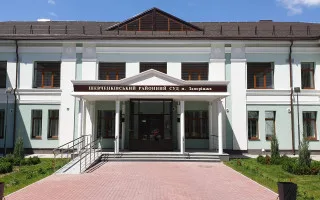
The Shevchenkivskyi District Court of Zaporizhzhia found a serviceman guilty of desertion and sentenced him to five years imprisonment. The verdict in case No. 336/11508/24 was delivered on July 8, 2026.
The court established that after completing treatment at a medical facility, the soldier did not return to the location of his battalion. From July 3 to September 27, 2024, he was absent from service without valid reasons. The serviceman was brought back to the military unit by Military Law Enforcement officers.
In court, the accused explained that after a traffic accident, he suffers from epileptic seizures and memory loss. According to him, medical staff allegedly advised him to return home after treatment.
However, the court took into account the conclusion of the military medical commission, which recognized the serviceman as fit for service. The court concluded that the accused deliberately did not return to the place of service after treatment, and his arguments do not refute the elements of the criminal offense.
Fear of punishment
The Industrial District Court of Kharkiv found a serviceman guilty of unauthorized absence from the place of service and sentenced him to five years imprisonment. The verdict in case No. 644/4680/26 was delivered on July 1, 2026.
The court established that the sailor left the place of service without permission on September 24, 2025, and did not return to the military unit. He remained absent until detained by law enforcement.
In court, the accused explained that during a short leave, he received a phone call from the military unit informing him that he was already considered to have left the unit without permission. According to him, fearing possible punishment, he decided not to return to the place of service and went to his family in Cherkasy region.
After examining the case materials, the court concluded that these circumstances do not justify prolonged absence from service. When sentencing, the court also considered the serviceman’s service record, which rated him as average and unsuitable for the position held.
AWOL and family values
The Novokodatsky District Court of Dnipro found a serviceman guilty of unauthorized absence from a military unit and theft, sentencing him to five years and two days imprisonment. The verdict in case No. 205/5491/26 was delivered on July 3, 2026.
The court established that the sergeant left the place of service without permission on September 18, 2022, and did not return for over three years — until April 8, 2026.
In court, the accused explained that he initially left the medical facility to attend the funeral of a fallen comrade. After that, he stayed at home, living with his children and attending to personal matters, without returning to the place of service.
After evaluating the evidence, the court concluded that these circumstances do not constitute grounds for exemption from criminal liability for unauthorized absence from a military unit.
Desertion due to "lack of provisions"
The Pokrovskyi District Court of Kryvyi Rih found a serviceman guilty of desertion and sentenced him to five years and two months imprisonment. The verdict in case No. 212/11638/25 was delivered on July 7, 2026.
The court established that the soldier, serving as a mechanized platoon driver, left his combat position without permission on May 31, 2023, and did not return to the place of service.
In court, the accused explained his actions by the lack of proper supplies at the positions. According to him, servicemen had not received provisions for a long time, and due to back problems, he could not wear a bulletproof vest. However, case materials showed that the military medical commission recognized him as fit for service.
After reviewing the evidence, the court concluded that the serviceman left the place of service with the intent not to return, and his actions were correctly qualified as desertion.
Failed attempt to be released under part 5 of article 401 of the Criminal Code
The Oleksandriia City District Court of Kirovohrad region found a cadet guilty of unauthorized absence from a military unit and sentenced him to five years imprisonment. The verdict in case No. 398/2514/26 was delivered on July 6, 2026.
The court established that the cadet left the territory of the military training unit without permission on October 28, 2025, and did not return to the place of service.
In court, the accused explained that he left service due to family circumstances. He also requested exemption from criminal liability under part five of Article 401 of the Criminal Code of Ukraine, which provides such possibility in case of first unauthorized absence from a military unit under certain legal conditions, including the commander's consent to continue service.
After reviewing the case materials, the court concluded that there were no grounds to apply this provision and denied the request.
July’s judicial practice proves that the state operates as a well-oiled mechanism in matters of military crimes, where military discipline interests always outweigh the personal circumstances of a soldier. Article 407 of the Criminal Code of Ukraine in most cases ends with real five-year imprisonment terms, even if the serviceman surrendered voluntarily, sincerely repented, and asks to be sent back to the ranks.
But is such an approach strategically beneficial for a state waging a prolonged war of attrition? Spoiler: no.
Social justice collapses when duty becomes one-sided. If the state punishes a soldier for leaving positions, it must equally systematically punish the officials of the military medical commissions who mobilize people with metal plates in their legs and commanders who ignore reports of deteriorating health of subordinates.
Subscribe to our Telegram channel t.me/sudua and to Google News SUD.UA, as well as to our VIBER and WhatsApp, Facebook page and Instagram to stay updated on the most important events.