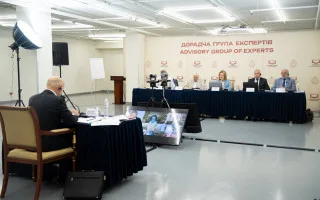
The Grand Chamber of the Supreme Court clarified what to do if the right of lease to your land plot was illegally registered


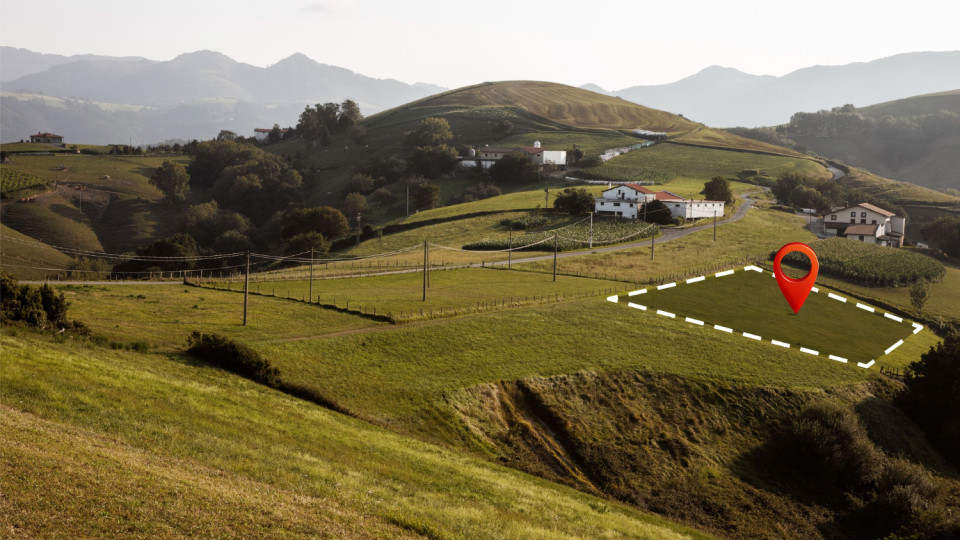










For the effective protection of the rights of a landowner, regarding whom an illegal entry about another person's right of use has been made in the State Register of Property Rights to Real Estate, and with whom the owner was not in any contractual relations, the owner may file a negatory claim, including but not limited to by demanding the return of the land, recognition of the absence of the lease right, or cancellation of the state registration of the property right, depending on the circumstances of each specific case.
These conclusions were made by the Grand Chamber of the Supreme Court.
In this case, an individual filed a lawsuit against a private enterprise seeking to declare land lease agreements invalid and to oblige the return of the land plots. The plaintiff claimed that she did not intend to conclude the land lease agreements and that the signatures on the disputed agreements were not hers.
The court of first instance, whose decision was upheld by the appellate court, partially satisfied the claim. The court removed obstacles to the plaintiff's exercise of her right to use the land plots owned by her by obliging the private enterprise to return them, while the other parts of the claim were denied.
The defendant appealed the court decisions, in particular arguing that the plaintiff chose an improper method to protect her right, considering the only effective way to protect the disputed legal relations was a claim to recognize the absence of the lease right.
Upon reviewing the case, the Grand Chamber of the Supreme Court confirmed the previously established legal conclusion that an effective way to protect the rights of an owner deprived of the right to use their property is to file a negatory claim.
At the same time, the Grand Chamber of the Supreme Court noted that filing a negatory claim by returning the property to the owner is not the only universal way to protect the violated rights of a property owner who faces obstacles in using it.
Since the subject of a negatory claim is the plaintiff's demand to remove any obstacles to exercising their right to use and dispose of their property, and the basis of the negatory claim is circumstances confirming that the defendant has taken actions that hinder the owner from using their rights, the plaintiff independently determines the method by which they consider it possible to remove such obstacles, depending on the nature of the violations.
The Grand Chamber of the Supreme Court concluded that when a landowner substantiates their claims by the existence of obstacles in using or disposing of the land plot (unjustified actual use of the property or registration of another person's property right), depending on the claims, the nature of the violated rights, and the factual circumstances of the case, the court, if the negatory claim is recognized as justified, may protect the rights of such an owner in a lawful manner aimed at eliminating the violations (including by returning the land, recognizing the absence of the lease right, or canceling the state registration of the property right).
Furthermore, the Grand Chamber of the Supreme Court noted that a discrepancy or incomplete correspondence of the claims to the proper method of protection cannot be grounds for refusal of the claim on formal grounds if the plaintiff's intent is clear and the claims can be interpreted according to the proper method of protecting rights. A different approach would not correspond to the objectives of civil proceedings (Article 2 of the Civil Procedure Code of Ukraine).
In this case, the Grand Chamber of the Supreme Court dismissed the cassation appeal and left the decisions of the lower courts unchanged.
The decision of the Grand Chamber of the Supreme Court dated May 13, 2026, in case No. 456/252/22 has not yet been published in the Unified State Register of Court Decisions.
Subscribe to our Telegram channel t.me/sudua and to Google News SUD.UA, as well as to our VIBER and WhatsApp, our page on Facebook and on Instagram to stay informed about the most important events.