Received a summons and did not appear at the TRC because he does not know Ukrainian: what the Supreme Court decided in the case of evasion of mobilization


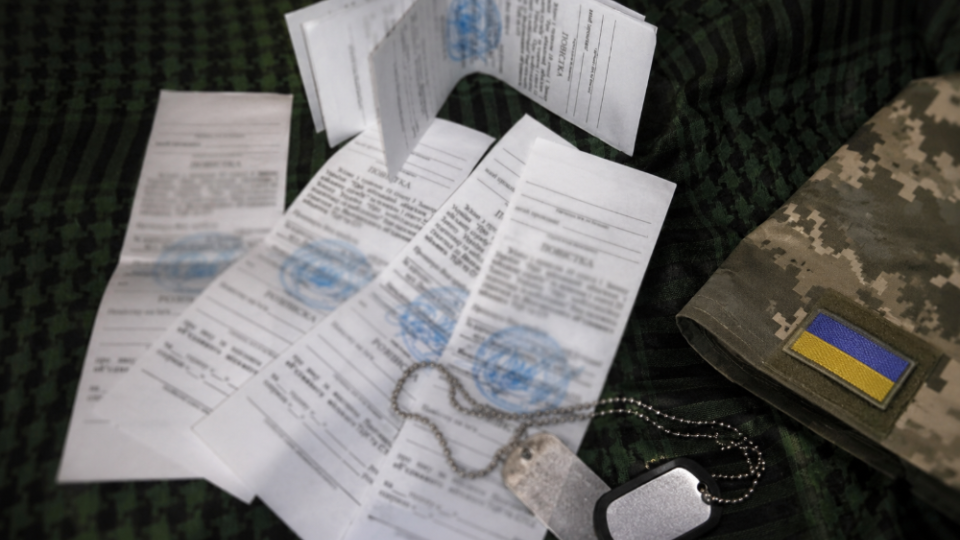










The Criminal Cassation Court of the Supreme Court upheld the verdict against a man convicted of evading conscription during mobilization. The court rejected the defense's arguments about the absence of proper documents confirming the delivery of the summons and emphasized that to hold someone accountable under Article 336 of the Criminal Code of Ukraine, it is necessary to establish the fact of proper notification of the conscript about the need to appear and his failure to appear without valid reasons. At the same time, the documents that served as the basis for summoning the person to the TRC are not identical to evidence of the summons delivery.
The Supreme Court also stressed that the obligation of the conscript to appear upon summons is established directly by law, and the summons only informs the person about the necessity to fulfill this obligation.
Circumstances of the case
The Letychiv District Court of Khmelnytskyi region found the man guilty of evading conscription for military service during mobilization and sentenced him to 3 years and 6 months of imprisonment. The Khmelnytskyi Court of Appeal upheld the verdict.
The courts established that in July 2024 the conscript underwent a military medical commission, was declared fit for military service, and received a summons to appear at the TRC with subsequent referral to a military unit. However, on the appointed day, he did not appear, although he had no legal grounds for deferment or exemption from mobilization.
During the trial, the accused confirmed that he received the summons and signed for its delivery. At the same time, he did not admit guilt and explained his unwillingness to serve by stating that he was born in Kazakhstan and is Belarusian by nationality. The TRC staff who delivered the summons confirmed that he was explained the obligation to appear upon summons and warned about the responsibility for failure to appear.
Defense arguments
In the cassation appeal, the defense lawyer requested to overturn the court decisions and close the criminal proceedings. Among the defense arguments was the absence in the case materials of an order on mobilization, mobilization directive, or other documents that served as the basis for conscription. The defense also argued that the receipt of summons is not proper evidence of delivery, and the accused did not understand the content of the documents he signed due to insufficient knowledge of the Ukrainian language. Additionally, the defense pointed to alleged violations of the right to defense and shortcomings during the appellate review.
The obligation to appear at the Territorial Recruitment Center arises from the law, not from the summons
The Criminal Cassation Court disagreed with the defense arguments.
The court recalled that according to the Law "On Mobilization Preparation and Mobilization," conscripts are obliged to appear at the TRC within the deadlines specified in the received summons or mobilization directives. At the same time, the obligation to appear upon summons arises not from the delivery of the summons itself but directly from the law. The summons is only a means of notifying the person about the need to fulfill this obligation.
The Supreme Court noted that to qualify actions under Article 336 of the Criminal Code of Ukraine, it is necessary to establish the fact that the conscript received the summons and failed to appear without valid reasons at the specified place and time. At the same time, the receipt of summons can be one of the proofs of delivery. In this case, it was evaluated not in isolation but together with other evidence — the testimony of the accused, witnesses, data from the mobilization directive delivery log, military registration documents, and other case materials.
The panel of judges also referred to its previously expressed legal position in the ruling dated January 28, 2020, in case No. 759/5435/16-k, according to which to prove guilt under Article 336 of the Criminal Code of Ukraine, it is necessary to establish the fact of delivery of the summons to the conscript or confirm his refusal to receive it.
Regarding the arguments about not knowing the Ukrainian language
The Criminal Cassation Court also rejected the claim that the convicted person did not understand the content of the documents due to insufficient knowledge of the Ukrainian language.
The courts established that the man has lived in Ukraine for a long time, is in a civil marriage with a Ukrainian citizen, works in a Ukrainian team, and understands Ukrainian well enough for oral communication. Moreover, translators were involved at all stages of the criminal proceedings to ensure his procedural rights. Under these circumstances, the courts reasonably interpreted the claim of not understanding the documents as a defense strategy chosen by him.
The Supreme Court also noted that the accused repeatedly stated his unwillingness to serve in the military due to his origin and nationality. There was no evidence that after receiving the summons he tried to fulfill the obligation to appear at the TRC or to remedy the consequences of his failure to appear. The court concluded that such behavior indicated a conscious and deliberate evasion of conscription during mobilization.
What the Supreme Court decided
The Criminal Cassation Court concluded that the courts of first and appellate instances properly examined the evidence, correctly established the fact of receiving the summons, the conscript's failure to appear at the TRC without valid reasons, and the presence of elements of the crime under Article 336 of the Criminal Code of Ukraine in his actions.
As a result, the Supreme Court left unchanged the verdict of the Letychiv District Court of Khmelnytskyi region and the ruling of the Khmelnytskyi Court of Appeal, and dismissed the defense's cassation appeal. The ruling in case No. 678/1251/24 came into legal force upon announcement and is final.
Subscribe to our Telegram channel t.me/sudua and to Google News SUD.UA, as well as to our VIBER and WhatsApp, our pages on Facebook and Instagram to stay informed about the most important events.